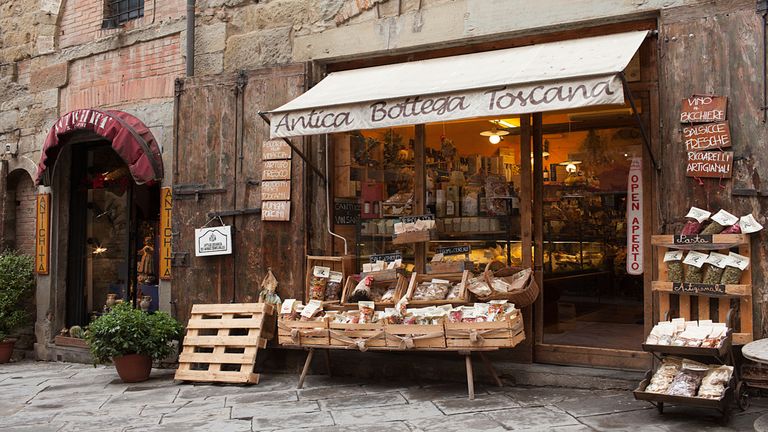
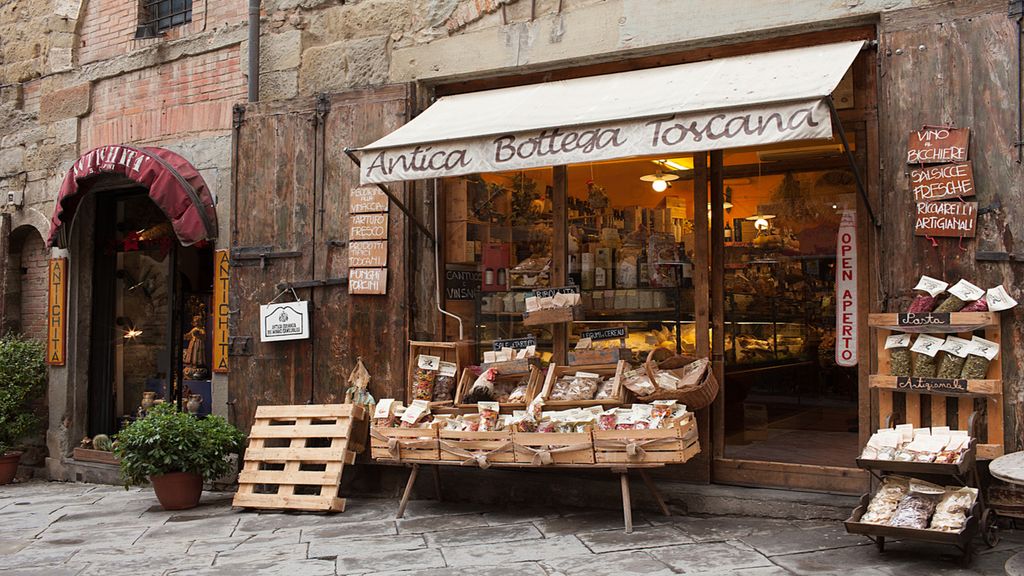
Italian food is often the cuisine we are quickest to recognise. Before we know much about eating, we understand the clean pleasure of tomato and basil, the comfort of pasta carrying sauce in all the right places. Later, it is the easy thing we cook midweek, the restaurant we trust, the bottle we open without thinking.
But familiarity can make Italian food seem simpler than it is. To really know it is to understand how closely it belongs to place, the correct pasta shape, the cheese that should never be swapped, the sauce that cannot be improvised. There is a word for this fierce local devotion – campanilismo – a loyalty to the view from one’s own bell tower. It is why adding cheddar to Bolognese or cream to carbonara can feel, to an Italian, like vandalism.
Across Italy’s 20 regions, food changes with the land. Umbrian truffles, the dark gloss of Bolognese ragù, lemons carried on the Amalfi breeze, the grassy bite of Ligurian olive oil. Food here is as much geography as it is preparation, each dish carrying the appetite of the place it comes from.
That reverence is written into the country’s protected foods and wines, from Parmigiano Reggiano and mozzarella di bufala to Prosciutto di Parma, Chianti and Brunello. Italy has more registered geographical food and wine specialities than anywhere else in Europe – a testament to how closely its culinary heritage is tied to regional production and local pride.
So the question is not just what to eat, but where to stay: a villa among Tuscan vineyards, an apartment in Rome, a Puglian trullo, a coastal house above the Amalfi Coast, a country estate with a kitchen large enough for everything you brought home from the market.
Lazio Food and Wine: Rome’s Four Great Pastas
As the home of the Italian capital, Lazio’s cuisine carries Rome’s history. Ancient trade brought grain, oil and spices; the Church shaped feast days, fasting dishes and papal kitchens; Jewish-Roman cooking left its mark in artichokes, anchovies and fried things; the countryside supplied pork, pecorino, bitter greens, bread and wine. It is a cuisine of markets and trattorias, shaped by thrift as well as appetite.
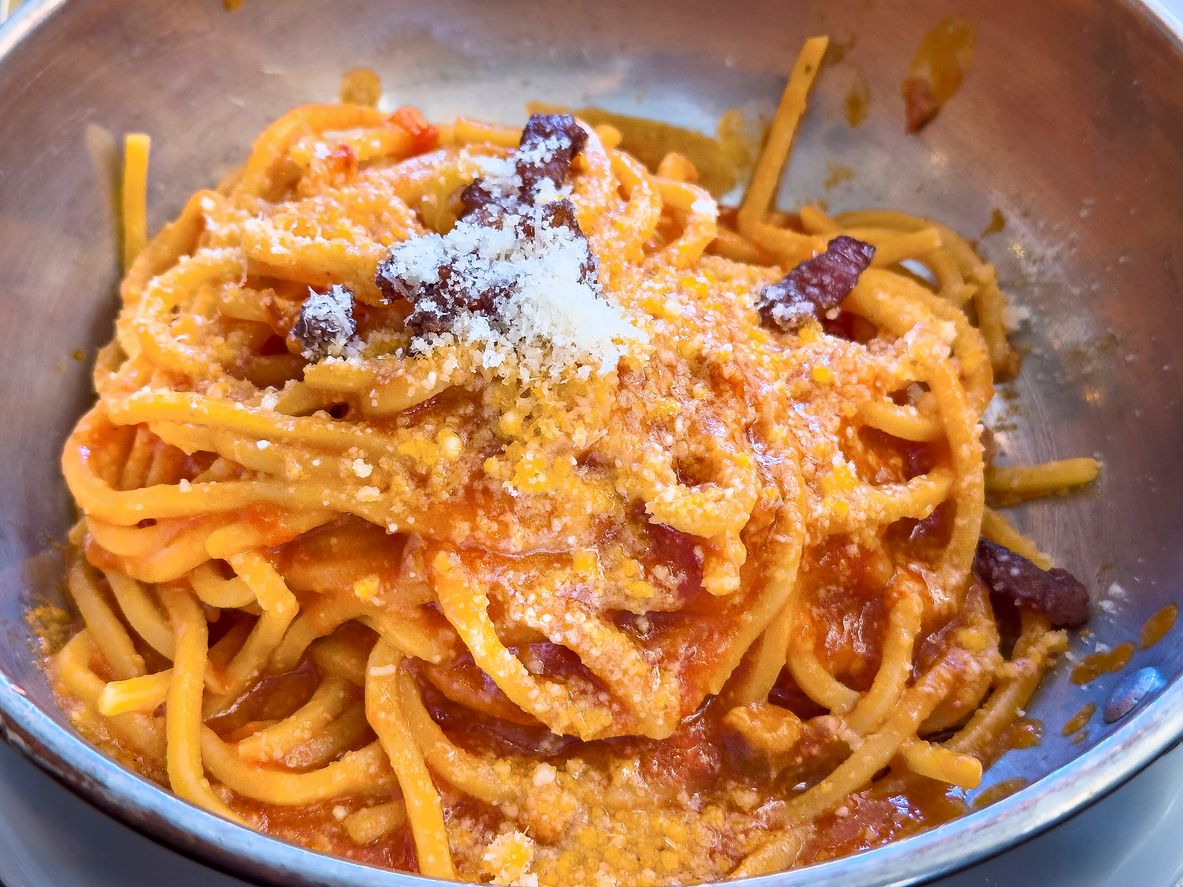
Carbonara is often the first Roman dish people think they know. In Britain, it belongs to the high-street Italian and the supermarket shortcut. But in Lazio, it sits beside cacio e pepe, amatriciana and alla gricia as one of the city’s four great pastas: a small canon of pecorino, guanciale, pepper, egg and tomato. Done badly, they are heavy. Done well, they are precise, each strand of pasta carrying salt, fat and heat in perfect proportion.
For wine, pour Frascati with artichokes, fried courgette flowers and plates of cacio e pepe. Save Cesanese for porchetta, lamb, amatriciana and the end of the meal.
Wine to try: Frascati, Cesanese
What to eat: cacio e pepe, carbonara, amatriciana, alla gricia, porchetta
Where to stay: Pianoforte Apartment, Rome
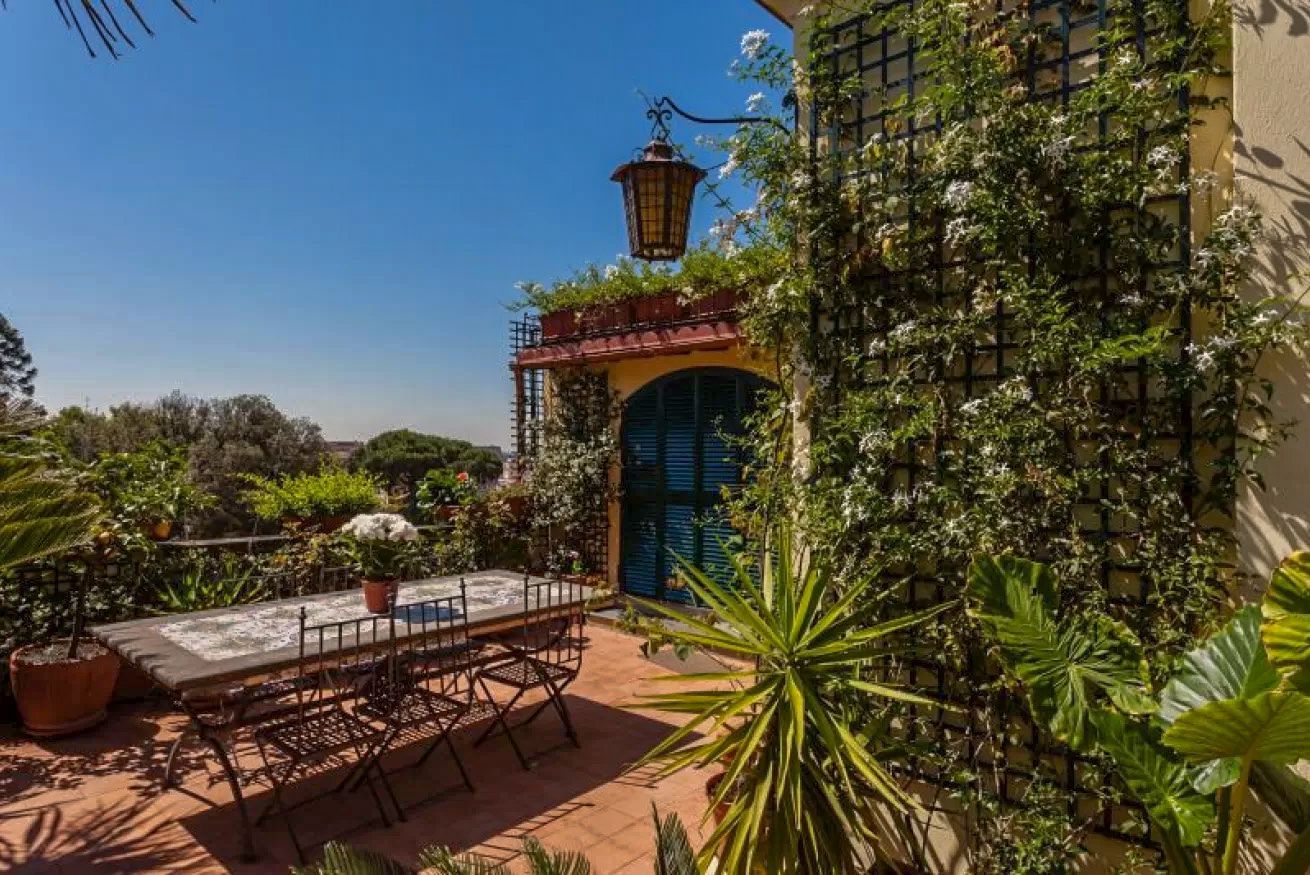
Pianoforte Apartment is on the fifth floor of a seventeenth-century building once used as a Vatican Museum restoration workshop. This two-bedroom Baroque apartment has hand-painted timbered ceilings, antique bookshelves, a baby grand piano and city-view balconies. Stay here for morning coffee in the rooftop garden, aperitivo under the orange blossom, and a sense that even coming home from dinner is part of Rome’s delicious theatre.
Puglia Food and Wine: Olive Oil, Burrata and Primitivo
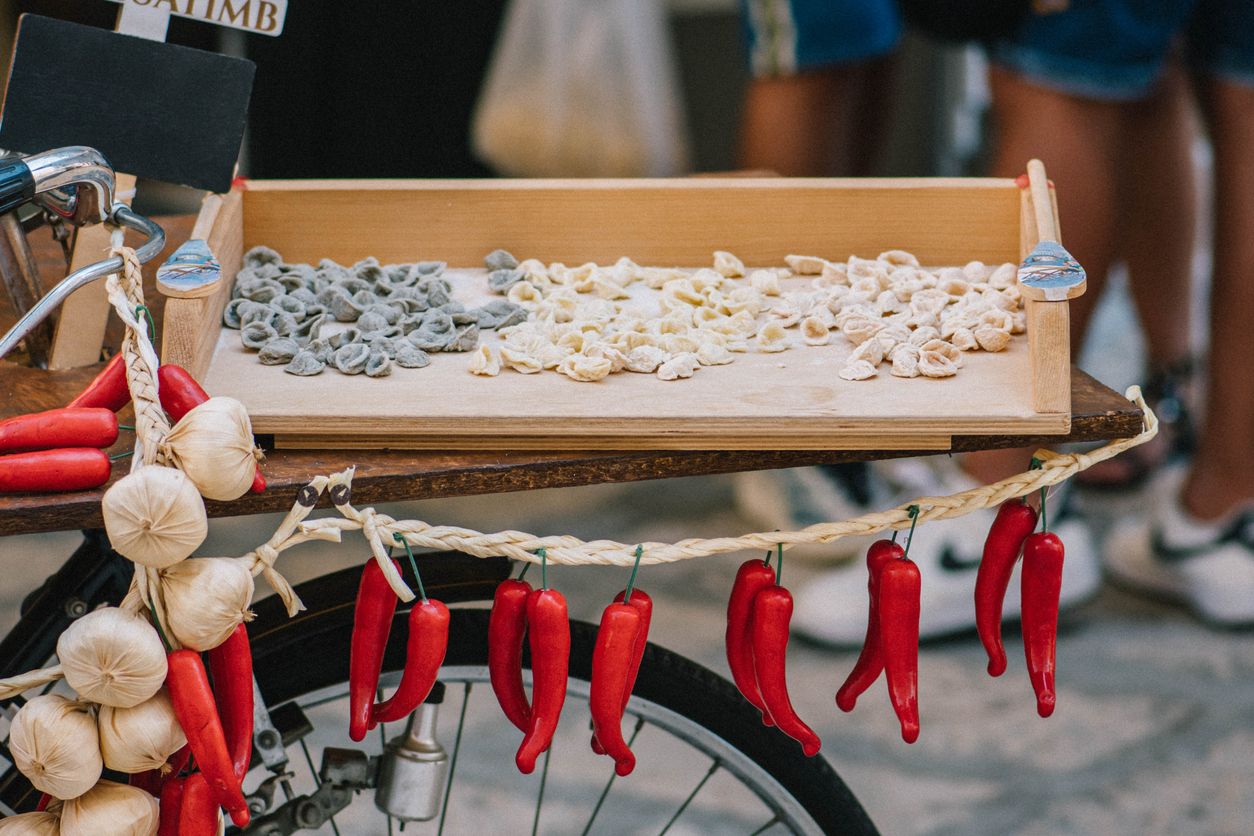
Further south, Puglia’s cooking has always belonged to labour and land. For centuries, this was a region of wheat fields, olive groves, fishing towns and masserie, where food was made from what was close, seasonal and abundant. That old practicality gives the cuisine its shape. It is orecchiette with turnip tops, burrata split open at the table, tomatoes, grilled vegetables, taralli, seafood, olive oil with a peppery edge.
For wine, pour Primitivo with grilled meat, tomato sauces and hard cheeses. Save Negroamaro for richer dishes and dinners that end outside because the evening is too good to waste.
Wine to try: Primitivo, Negroamaro
What to eat: orecchiette, burrata, seafood, vegetables, taralli
Where to stay: Villa Trullo, Puglia
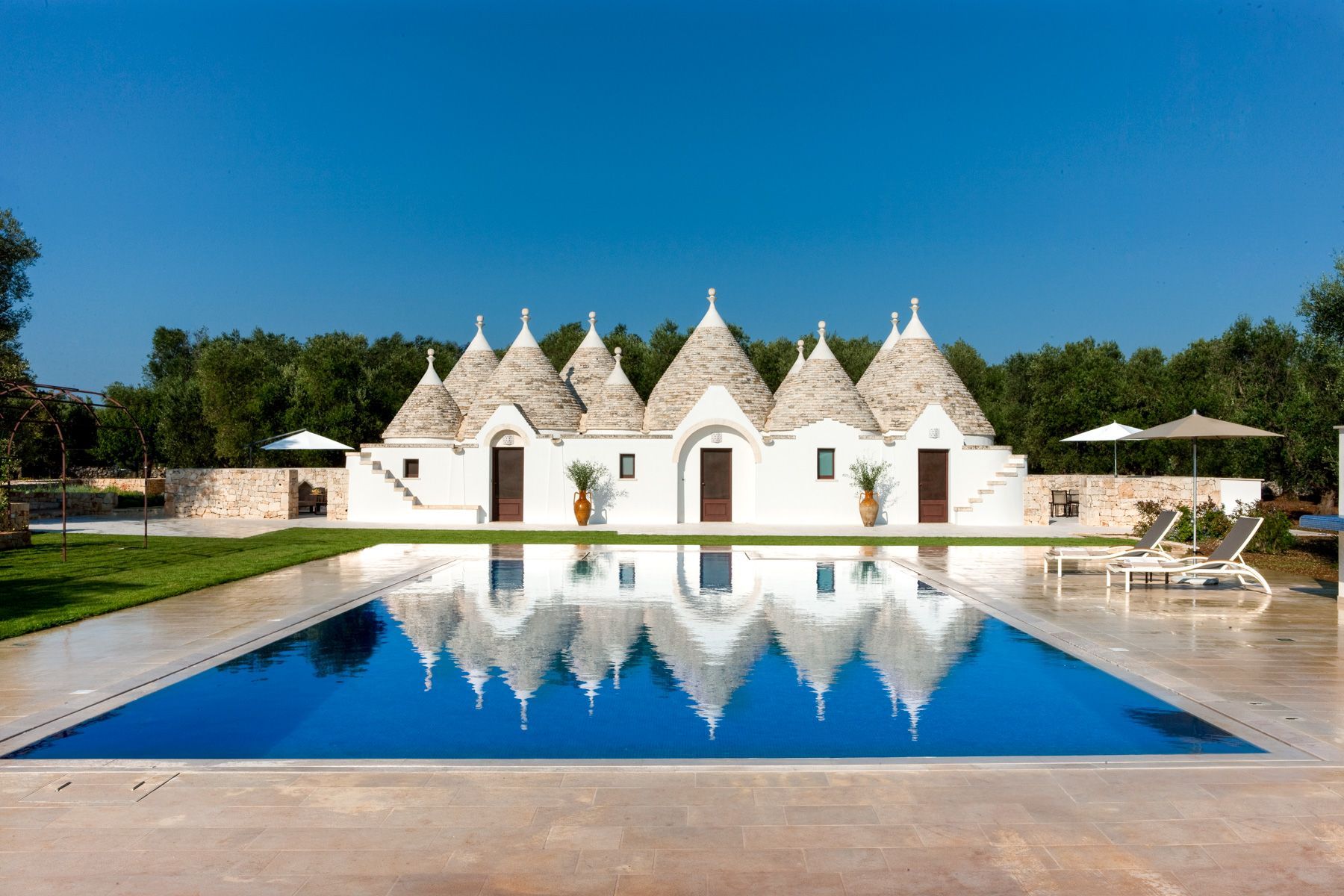
Villa Trullo is an ancient stone trullo in the Salento countryside, with its conical roof, whitewashed walls, four bedrooms, two kitchens and plenty of space for families or groups to spread out. Outside, the pool, gardens, fruit trees, gazebo kitchen and bar make it easy for the day to gather around lunch. Stay here for market hauls, long afternoons in the shade, Ceglie Messapica restaurants, and the pleasure of returning home with olive oil, tomatoes, cheese and more bread than you meant to buy.
Umbria Food and Wine: Truffles, Pork and Inland Cooking
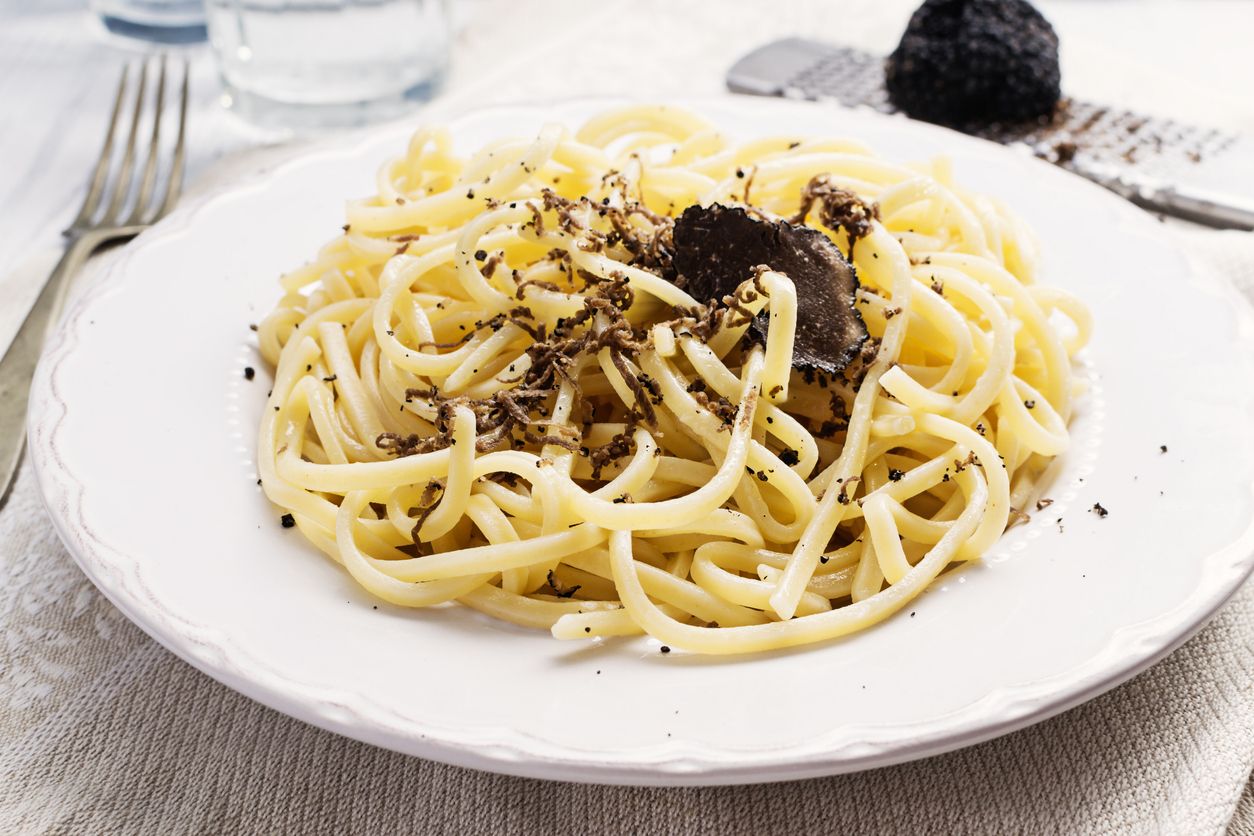
Umbria is Italy without a coast, and with pleasures earthier. Its cooking comes from hill towns, monastery kitchens, olive groves, woods and fields, with a long tradition of making serious food from what the land gives: black truffles from Norcia and Spoleto, lentils from Castelluccio, olive oil from the hills around Trevi and Spello, pork from Norcia. This is the region of strangozzi, thick hand-rolled pasta often served with truffle or tomato; porchetta with fennel and rosemary; grilled meats, beans, bread and soups.
For wine, pour Sagrantino di Montefalco with roast meats, porchetta, and truffles. Save Orvieto Classico for antipasti, vegetables, lake fish and strangozzi when the sauce demands something pale and clean.
Wine to try: Sagrantino di Montefalco, Orvieto Classico
What to eat: truffles, strangozzi, porchetta, lentils, grilled meats
Where to stay: La Rustica, Umbria
La Rustica is a restored hamlet in the Niccone Valley, set high on a hill with 360-degree views over forests, olive trees and the Umbrian countryside. With three spacious apartments, two detached stone houses, fully equipped kitchens, a 16-metre pool, tennis court, sauna and a former chapel now used for breakfasts and private dinners, it has the feel of a small village gathered around the table. Stay here for truffle country, olive oil tastings, Sagrantino in the glass and evenings that end slowly, between the kitchen, the terrace and the view.
Tuscany Food and Wine: Bistecca, Chianti and Brunello
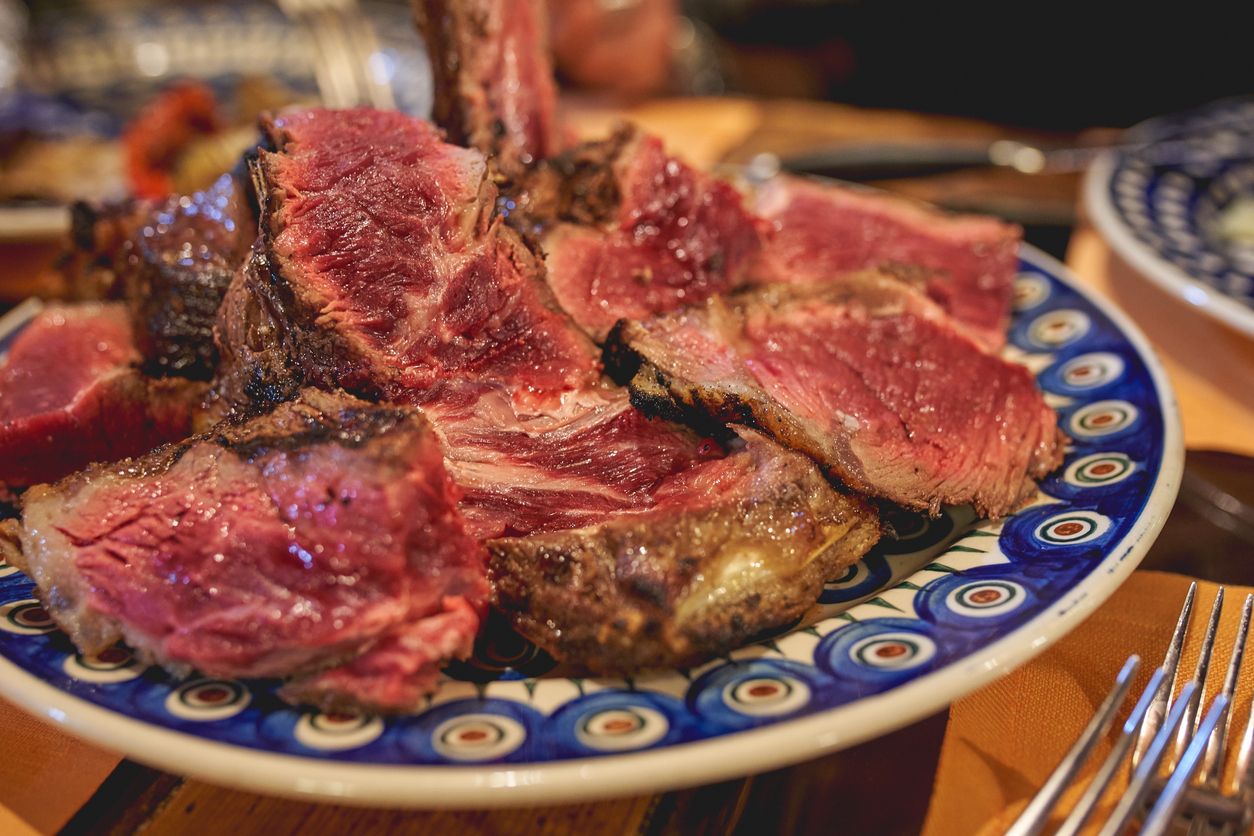
Tuscany is often framed as a view, but its food has much more body. This is not delicate cooking. It is bistecca alla Fiorentina arriving big, bloody and charred; pappardelle al cinghiale tasting of woods and weather; unsalted bread made for food that carries its own salt. The olive oil is grassy and bright, beans are little pistols of flavour, and the wines – Chianti, Brunello di Montalcino, Vino Nobile – belong to the hills as much as the vines.
Pour Chianti with crostini, ribollita and tomato-led dishes; save Brunello di Montalcino for bistecca and wild boar.
Wine to try: Chianti, Brunello di Montalcino
What to eat: bistecca alla Fiorentina, pappardelle al cinghiale, ribollita, crostini
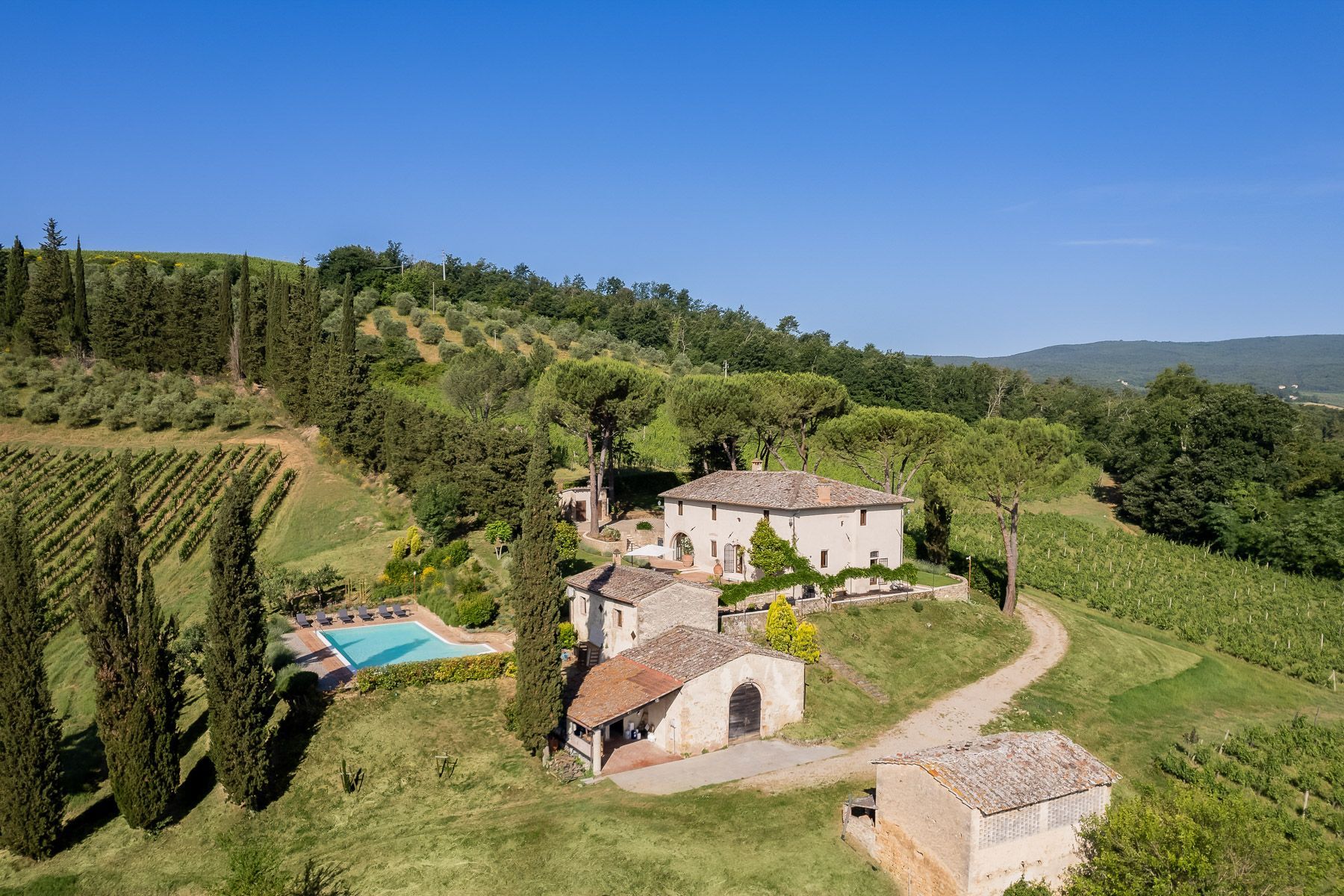
Where to stay: Casale Eleganza, San Gimignano
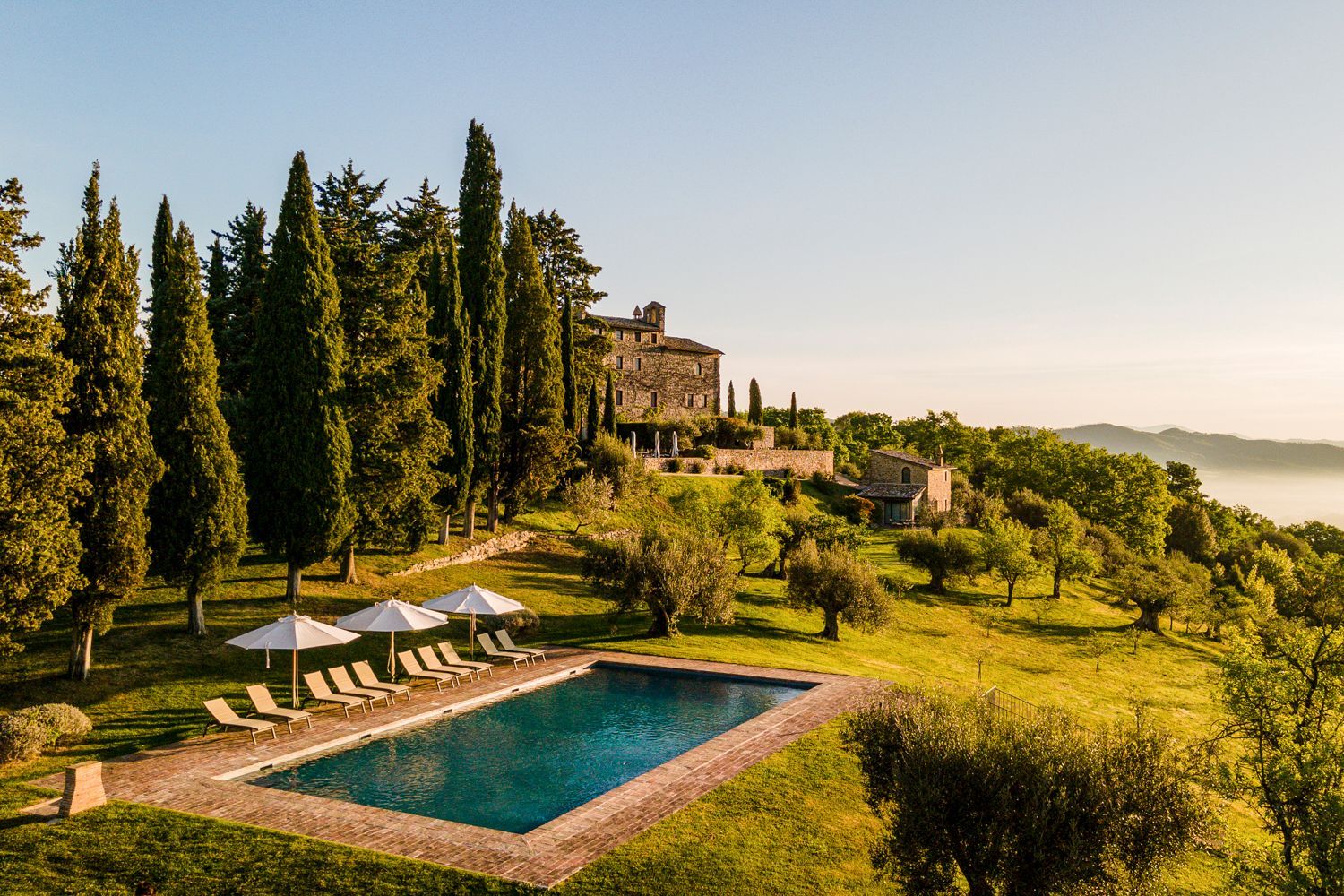
Casale Eleganza places you in the heart of Tuscany in a 16th-century farmhouse with a 15-hectare organic vineyard and olive estate, just a short drive from San Gimignano. With a private pool, terraces for al fresco dinners, thick stone walls, antique cotto floors and views that do half the hosting, it is made for vineyard visits, walks through the hills and evenings when the house gathers everyone back to the table.
Sicily Food and Wine: Street Food, Seafood and Volcanic Wines
Sicily is big enough to feel like its own country, with a cuisine that carries centuries of arrival and exchange. Greek colonies, Arab rule, Norman courts, Spanish kitchens, and North African trade brought citrus, almonds, saffron, rice, sugar, aubergines, capers, pistachios, ricotta, swordfish. They took what came by sea, and made it Sicilian.
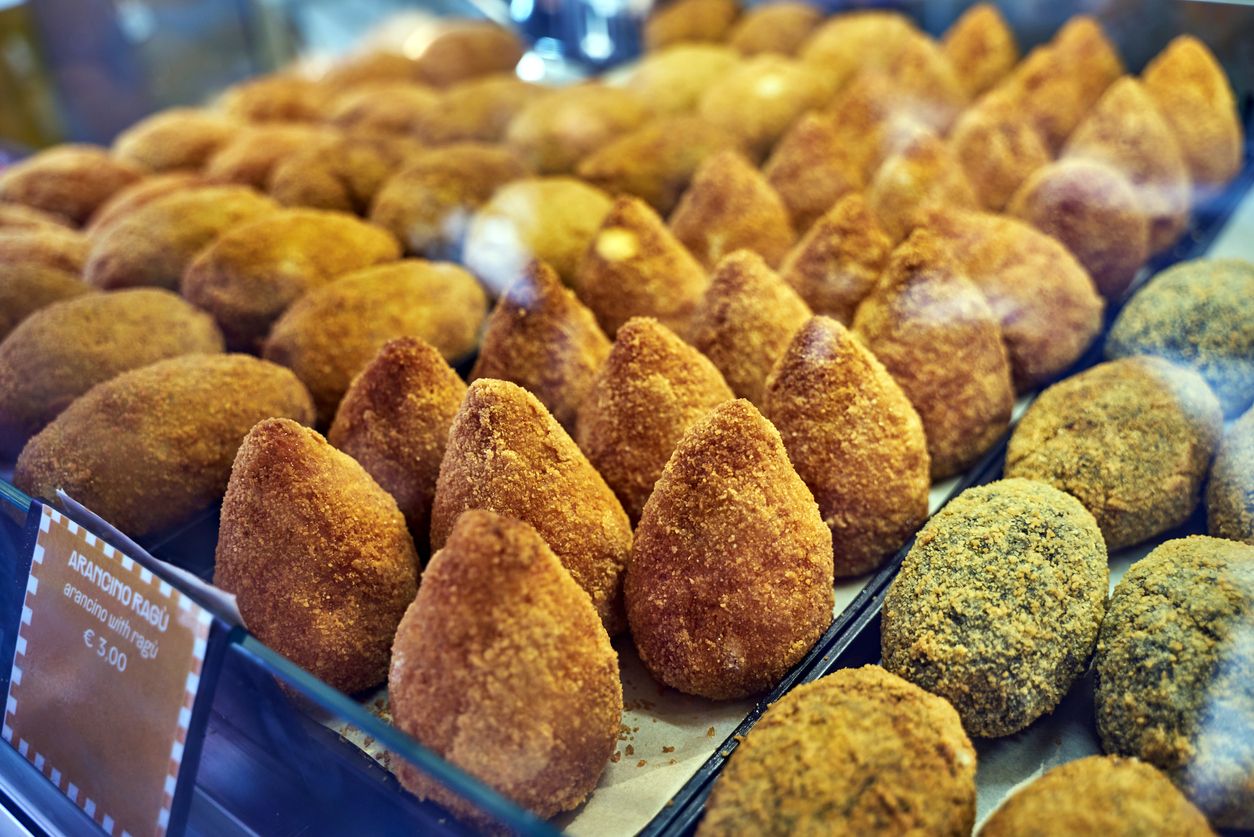
Palermo and Catania bring street food, markets, arancini, panelle, fried squid, blood-orange juice and cannoli. Around Etna, volcanic soil gives wine, citrus and pistachios their charge. Along the coast, swordfish and seafood take over; inland, caponata, Pasta alla Norma, ricotta and vegetables show the island’s earthier side.
For wine, pour Nero d’Avola with caponata, grilled meats, swordfish or tomato-rich pasta. Save Etna Rosso for aubergine, mushrooms, tuna, roast pork, or anything eaten with the volcano somewhere in view.
Wine to try: Etna Rosso, Nero d’Avola
What to eat: Pasta alla Norma, caponata, arancini, swordfish, cannoli
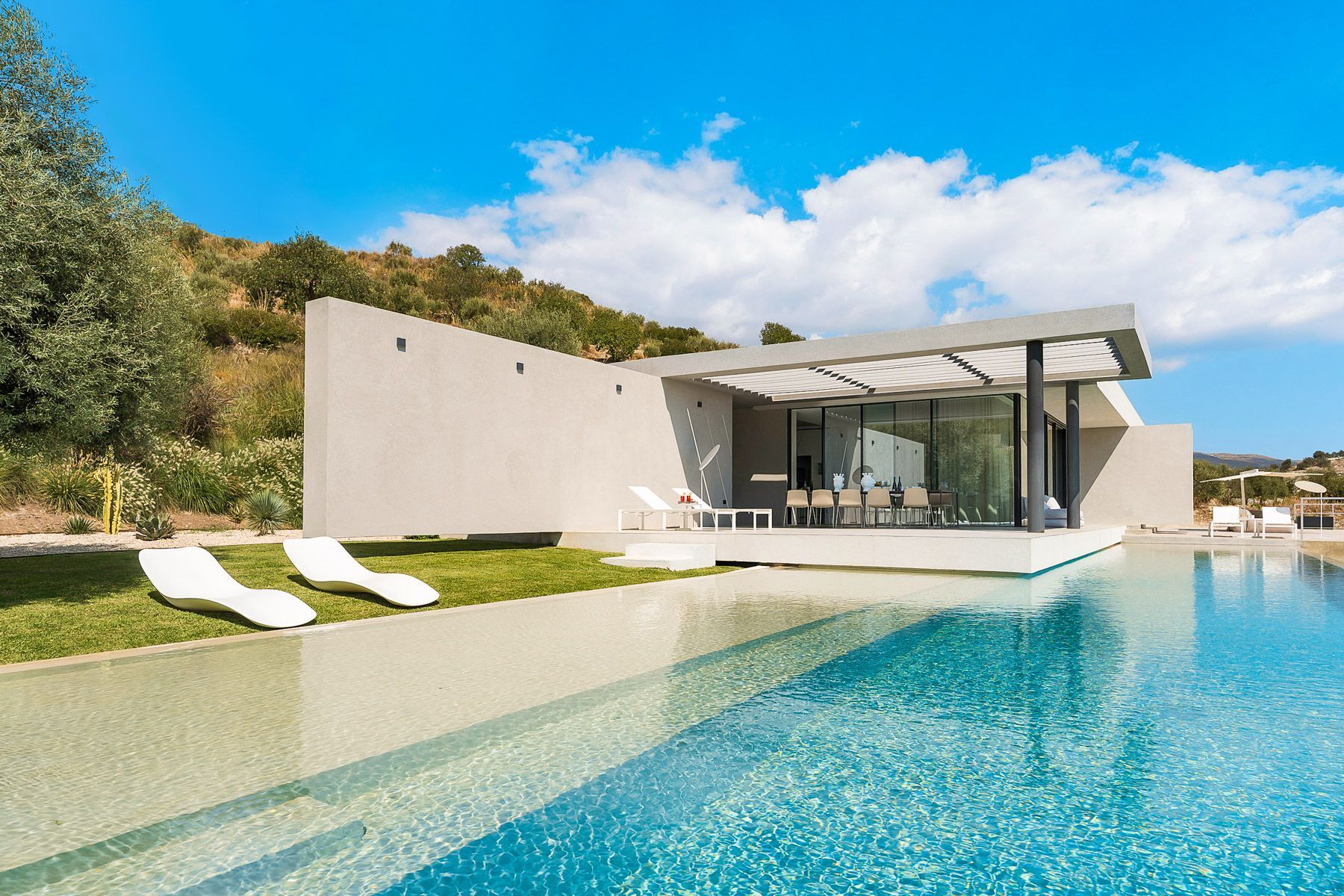
Where to stay: Villa Soliva, Eastern Sicily
Villa Soliva gives eastern Sicily an easy, sunlit base, set between the baroque beauty of Noto and the seaside town of Avola. The villa is spacious and relaxed, with four bedrooms, a private garden, shaded veranda, barbecue dining area and an infinity pool made for long Sicilian afternoons. Stay here for market mornings, seafood lunches, sandy beaches, volcanic reds and dinners outside while the heat slowly leaves the day.
Emilia-Romagna Food and Wine: Pasta and Parmigiano
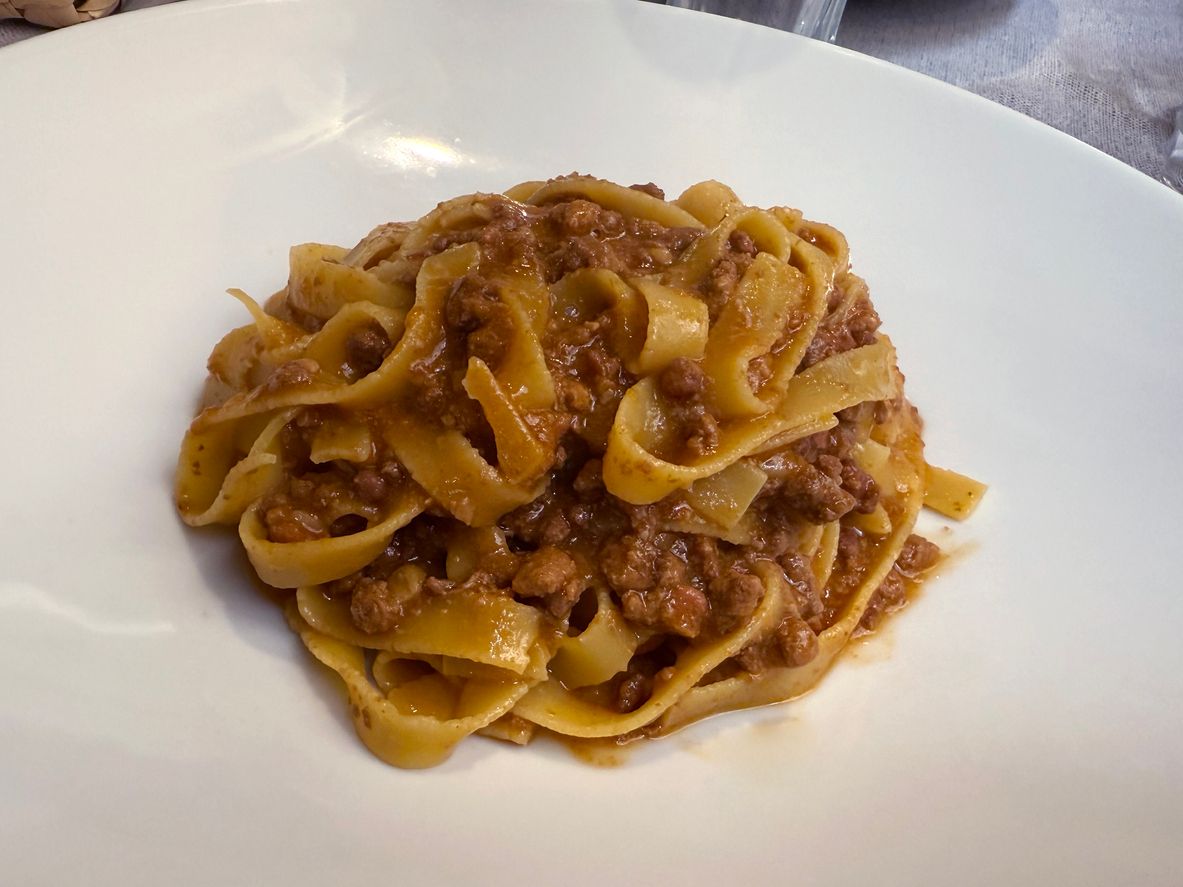
Emilia-Romagna is a region where food should be taken very seriously indeed. This is the home of Bologna, Parma, Modena and Ravenna, of tagliatelle al ragù, tortellini, lasagne, Parmigiano Reggiano, Prosciutto di Parma, balsamic vinegar and mortadella. The food is rich, yes, but also disciplined. Pasta is rolled thin, broth is rich but clean, delicate in flavour, with fat and depth from the bones, cheese is aged into authority, and ragù is given the one thing it needs most – time.
Bologna’s ragù is not a quick red sauce. It is meat, fat, wine, milk, and tomato, simmered until it becomes something deeper than the sum of its parts. Pour Lambrusco with tortellini, mortadella, and Parmigiano; choose Sangiovese di Romagna for ragù and roast meats.
Wine to try: Lambrusco, Sangiovese di Romagna
What to eat: tagliatelle al ragù, tortellini, Parmigiano Reggiano, mortadella
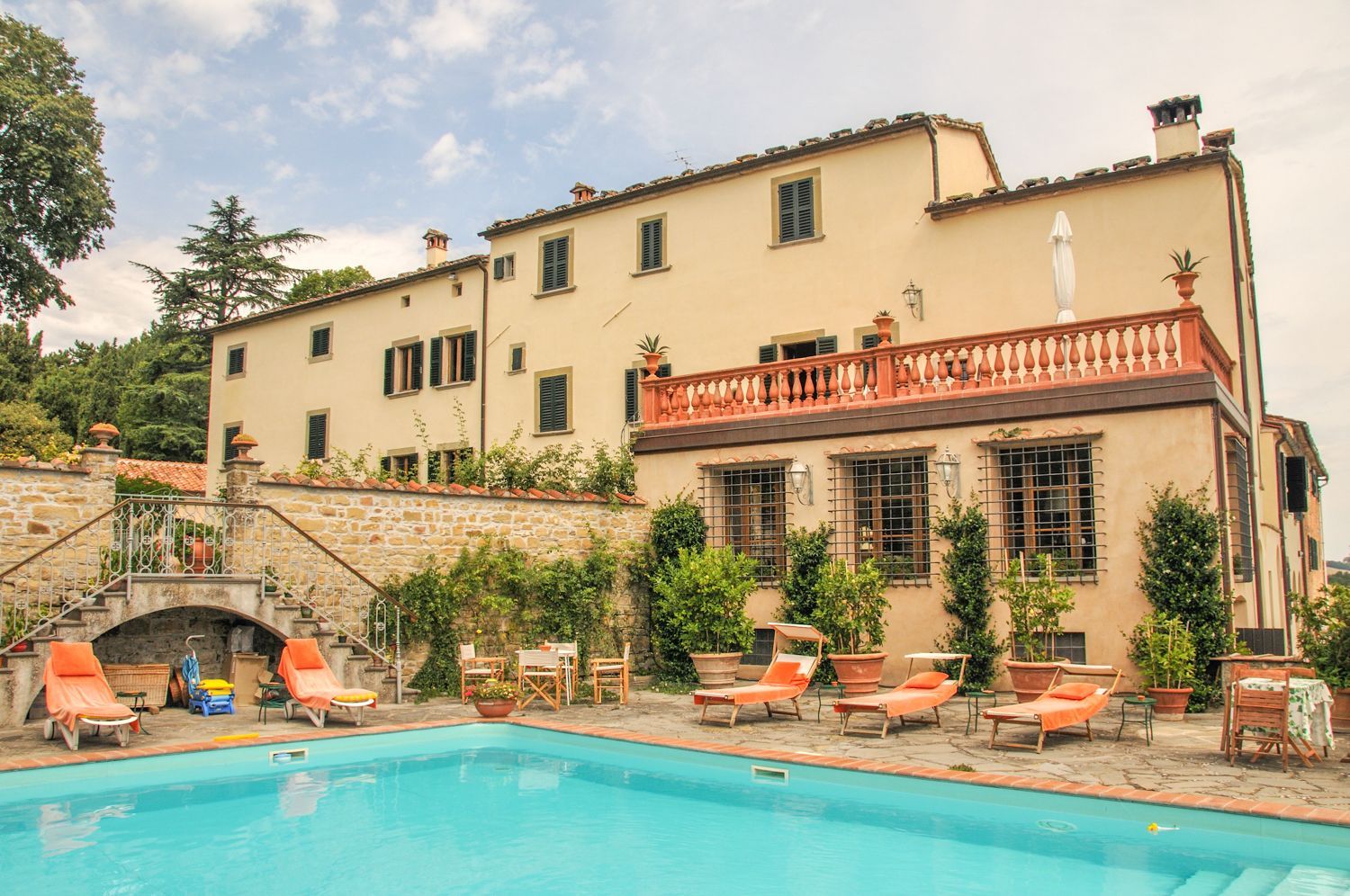
Where to stay: Villa Guidi, Emilia-Romagna
Villa Guidi gives Emilia-Romagna’s generous table a house to match: a 12-bedroom villa near Tredozio, with grand dining rooms, multiple lounges, a fully equipped kitchen, a wet kitchen and gardens made for long meals outside. Set across four levels with a ballroom, tower rooms, pool, shaded dining area and views over the surrounding hills, it suits large families or groups who want space, pasta, markets, wine and the kind of kitchen where the day naturally gathers.
Liguria Food and Wine: Pesto, Focaccia and the Sea
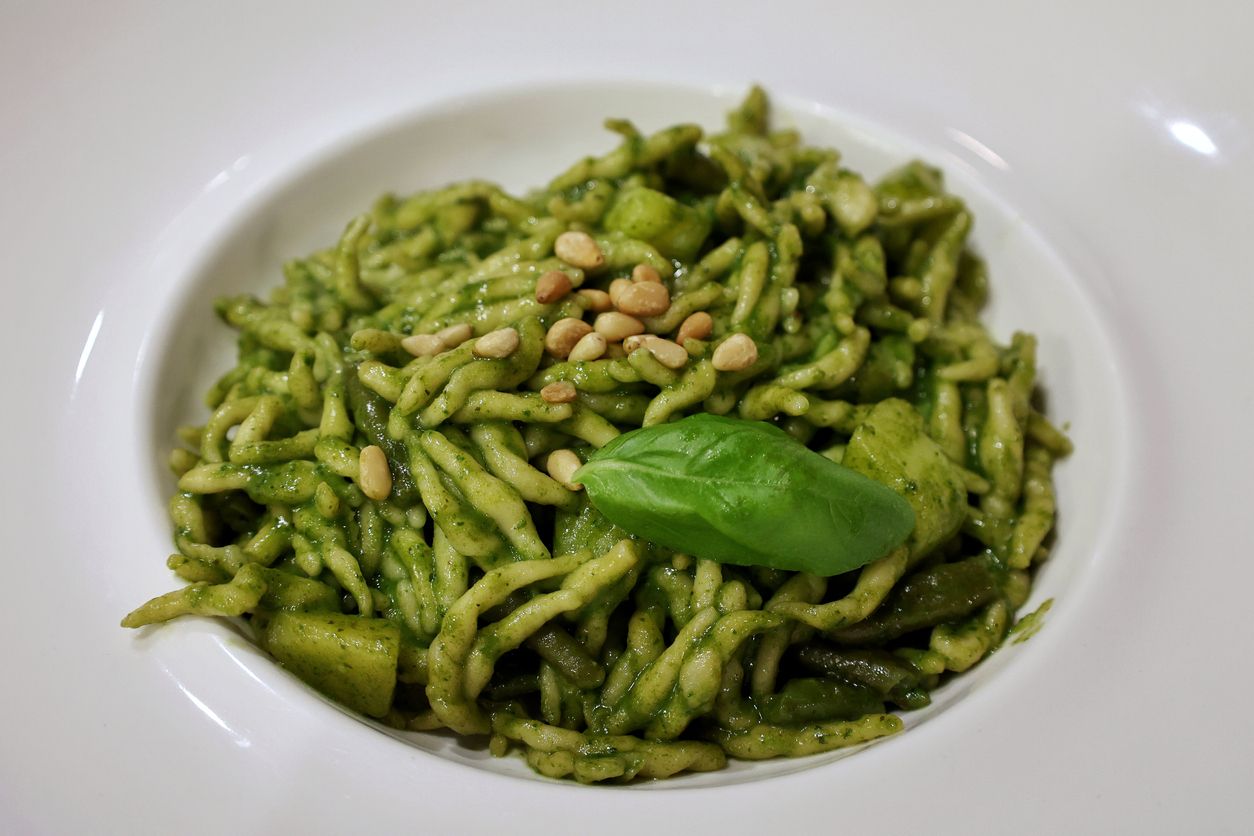
In Liguria, the mountains press down towards the water, and the cooking lives in that narrow space between land and sea. Basil, pine nuts, olive oil, anchovies, seafood, focaccia, Vermentino, Pigato. Trofie al pesto is the region in miniature: green, coastal, and shaped by gardens cut into steep ground.
Focaccia appears at breakfast, lunch, aperitivo, whenever hunger needs oil and salt. Seafood is handled plainly. Pour Vermentino with grilled fish, anchovies and focaccia by the water; save Pigato for pesto, shellfish and lunches that begin with something fried.
Wine to try: Vermentino, Pigato
What to eat: trofie al pesto, focaccia, seafood, anchovies
Where to stay: Villa Elisir, Genoa Riviera
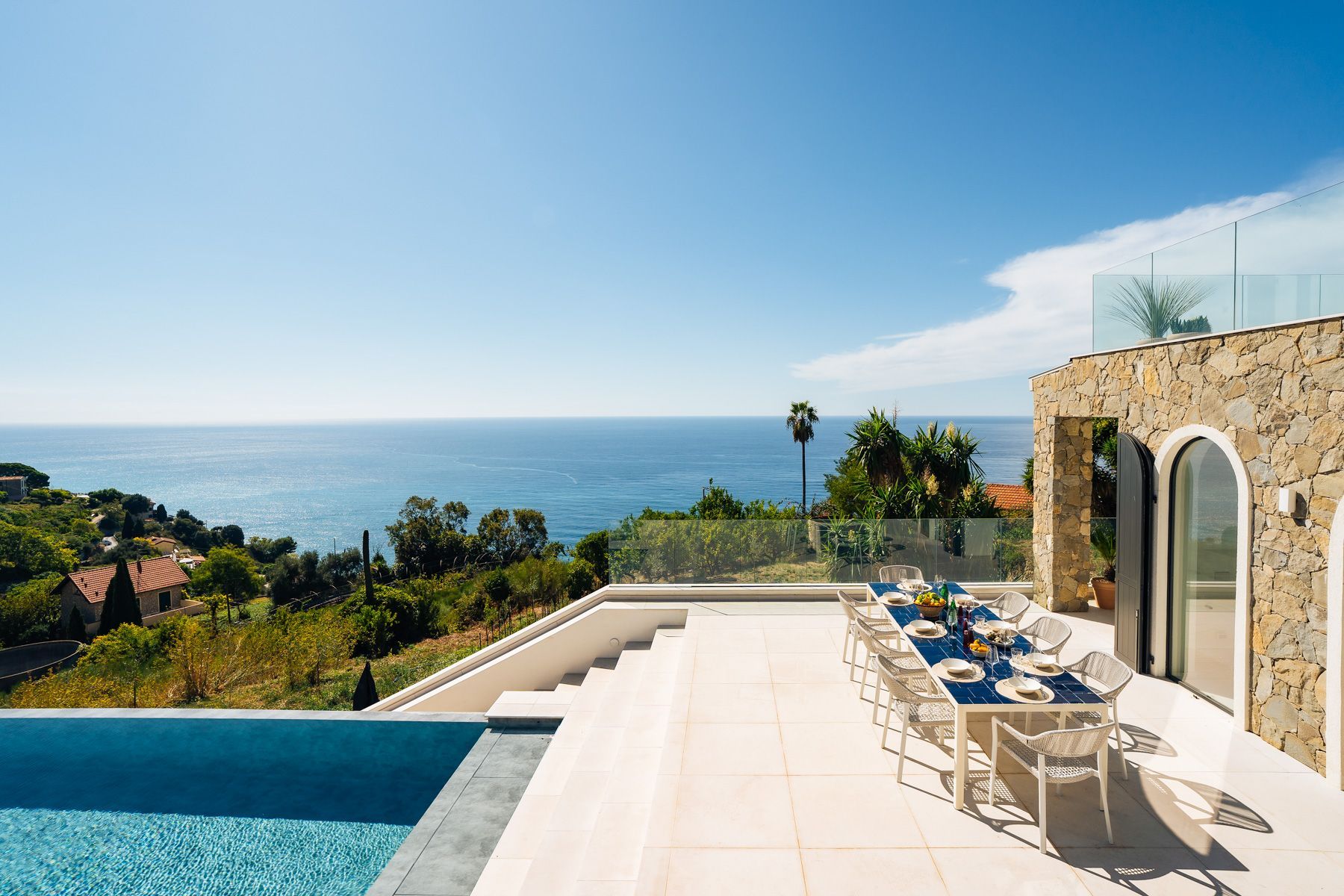
Villa Elisir gives Liguria the view it deserves. This contemporary hillside villa sits above the Mediterranean, with sea views from every room and terraces made for eating outside. Set between Ventimiglia and Menton, with an infinity pool, sleek kitchen, garden firepit, yoga area and a master suite with its own terrace and jacuzzi, it is a polished base for the Genoa Riviera.
Campania Food and Wine: Pizza, Seafood and the Amalfi
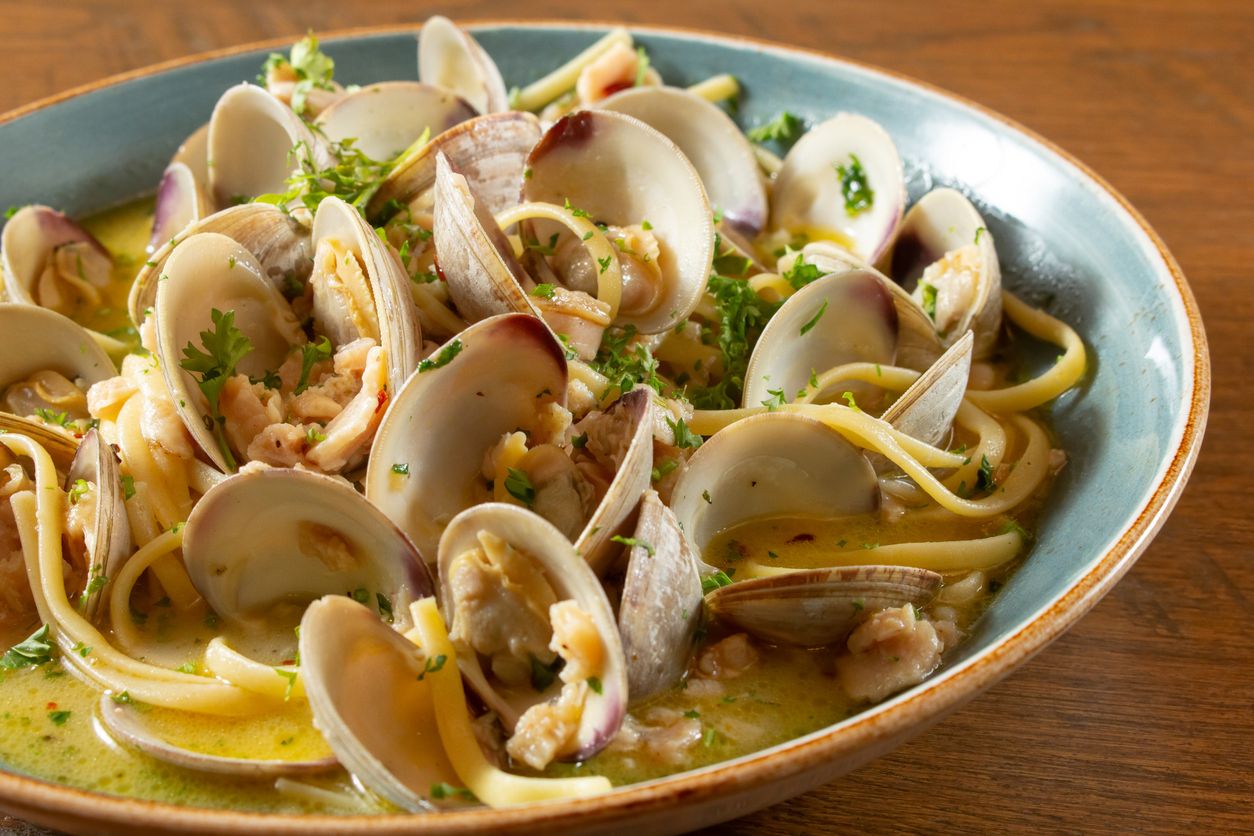
Campania has always had a way of making simplicity feel extravagant. Naples is the birth city of pizza, street food, fried things in paper, tomatoes, mozzarella and appetite at full volume. Around it, the region gathers its abundance: mozzarella di bufala from the plains, pasta alle vongole by the water, lemons from the Amalfi Coast, seafood cooked with very little fuss. Nothing needs too much dressing up; the ingredients already have their own voltage.
Pour Falanghina with seafood, mozzarella and fried things; Greco di Tufo with clams, grilled fish and lemon-laced dishes; Taurasi with richer pasta, ragù, and lamb. In this region, the food seems very alive. The tomatoes and lemons, clams and basil; the oil on the plate, the warm air coming in off the water.
Wine to try: Falanghina, Greco di Tufo, Taurasi
What to eat: pizza, mozzarella di bufala, seafood, pasta alle vongole, lemon desserts
Where to stay: Villa Il Faro, Amalfi Coast
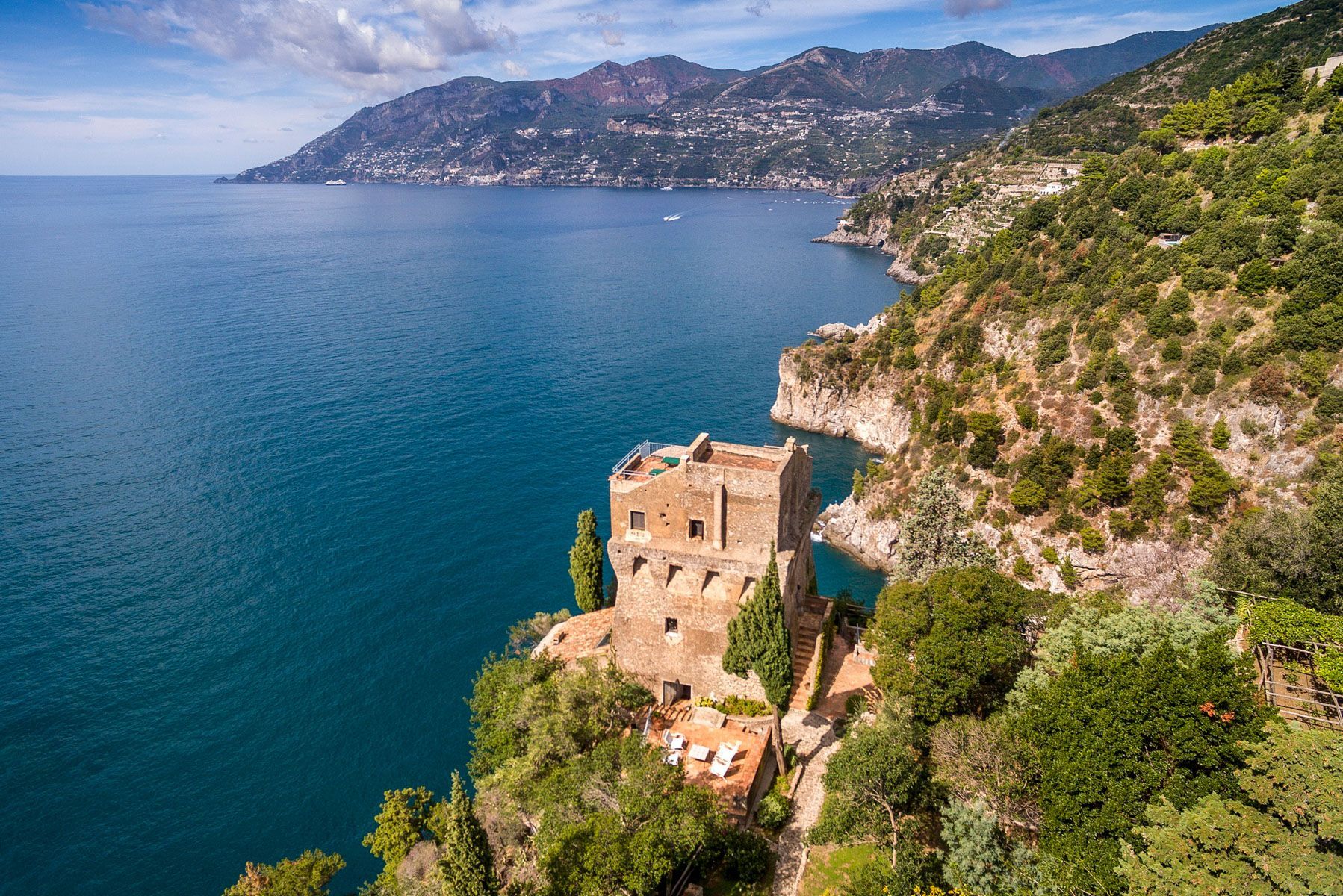
Set just outside Maiori, Villa Il Faro on the Amalfi Coast is a fourteenth-century Saracenic watchtower once built to warn against pirate attacks. It has been reimagined into a spectacular six-bedroom villa with four annexes, sea-facing terraces, a pool, gardens and private access down to a cove. Stay here for morning coffee above the Tyrrhenian, lemon granita on the solarium, and late dinners beneath the tower.
Veneto Food and Wine: Cicchetti, Prosecco and Amarone
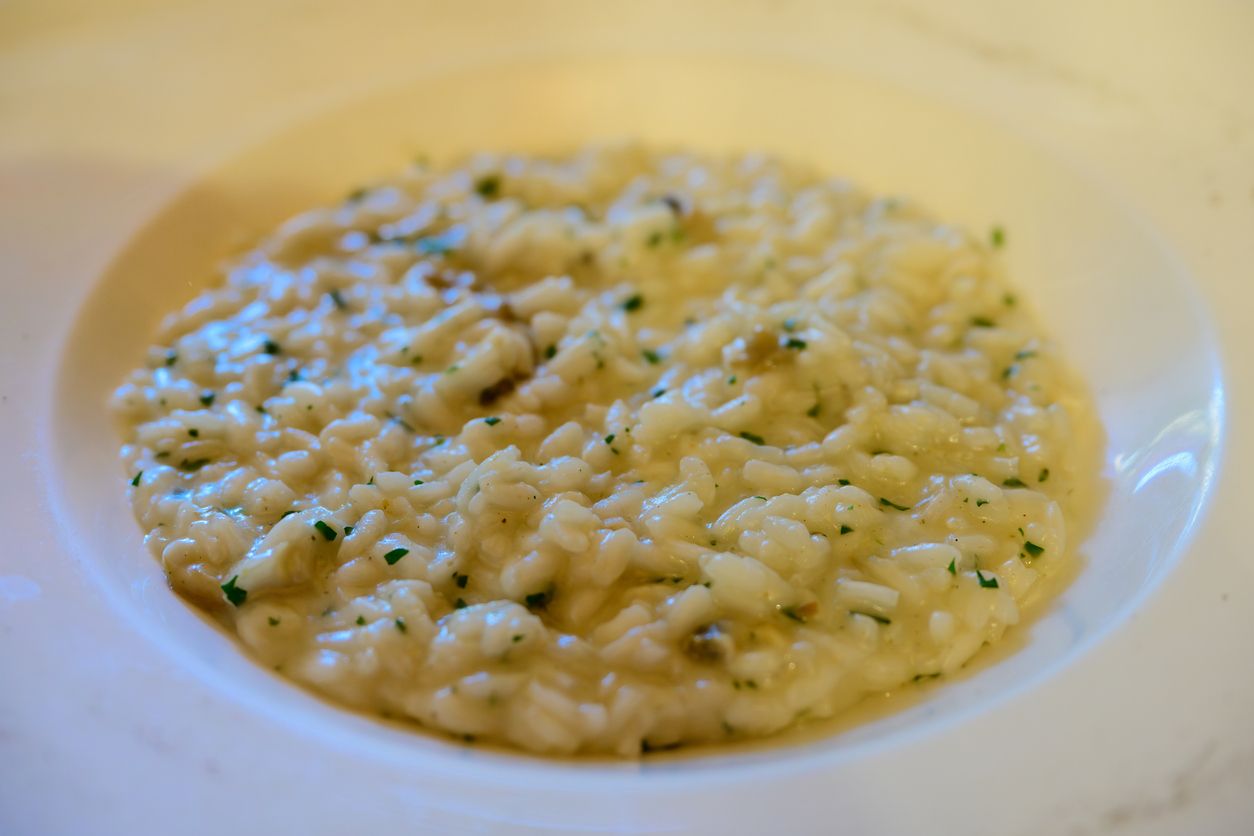
Veneto has always known the value of a small plate. In Venice, cicchetti turn eating into a kind of movement: salt cod on bread, seafood, risotto, small glasses of wine taken standing up. Inland, the region opens into villas, vineyards and hills, with Prosecco, Soave, Valpolicella and Amarone giving the table its range.
Pour Prosecco with cicchetti, fried seafood and the first hour of the evening; Soave with risotto, baccalà mantecato and shellfish; Amarone with braised meats and aged cheese.
Wine to try: Prosecco, Soave, Amarone
What to eat: cicchetti, risotto, seafood, baccalà mantecato
Where to stay: Villa La Quadra Estate, Veneto
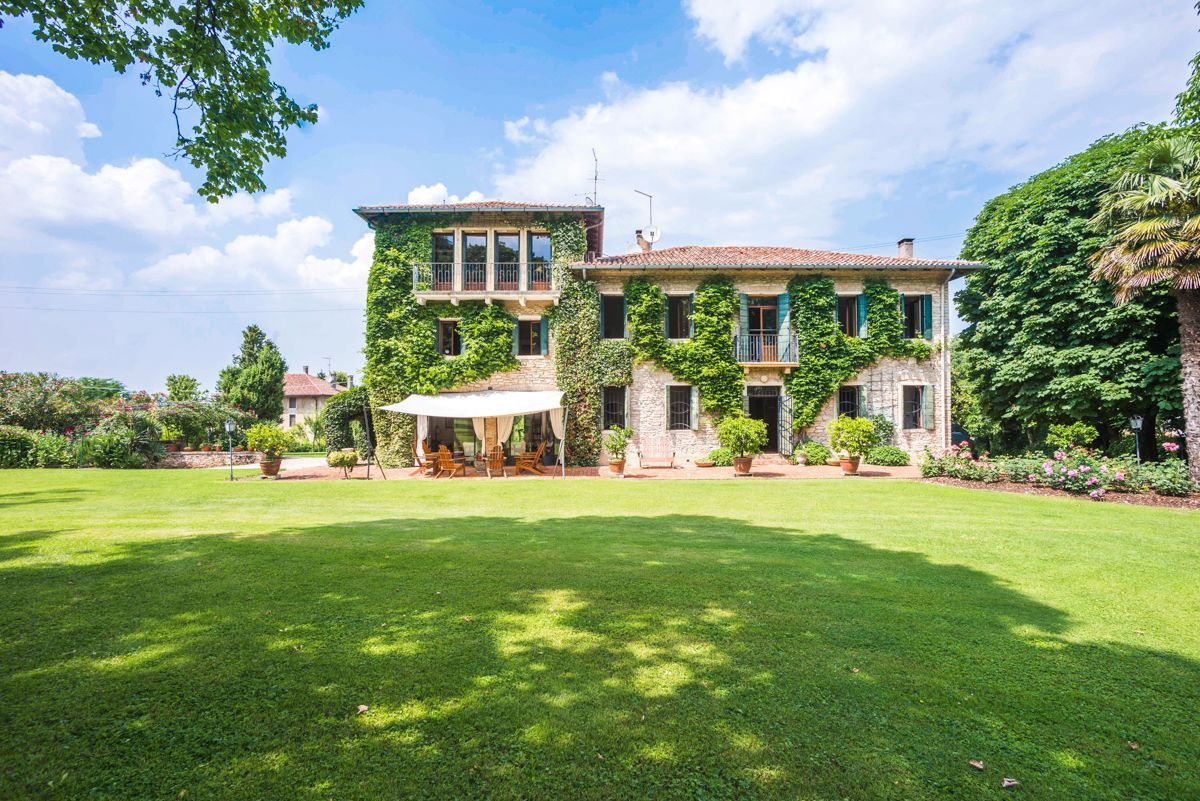
Villa La Quadra Estate sits among vineyards and olive groves in rural Veneto, with space for up to 15 guests across the main villa and its annexes. It feels made for the region’s generous, cultivated side: a rustic kitchen with a range cooker and fireplace, gardens with fruit trees, herbs and roses, a long veranda table draped in greenery, and a pool for the slow hours. Stay here for vineyard days, city visits, Prosecco in the garden and dinners that can move from the kitchen to the veranda without needing a clear end.
Calabria Food and Wine: ’Nduja, Chilli and Southern Soul
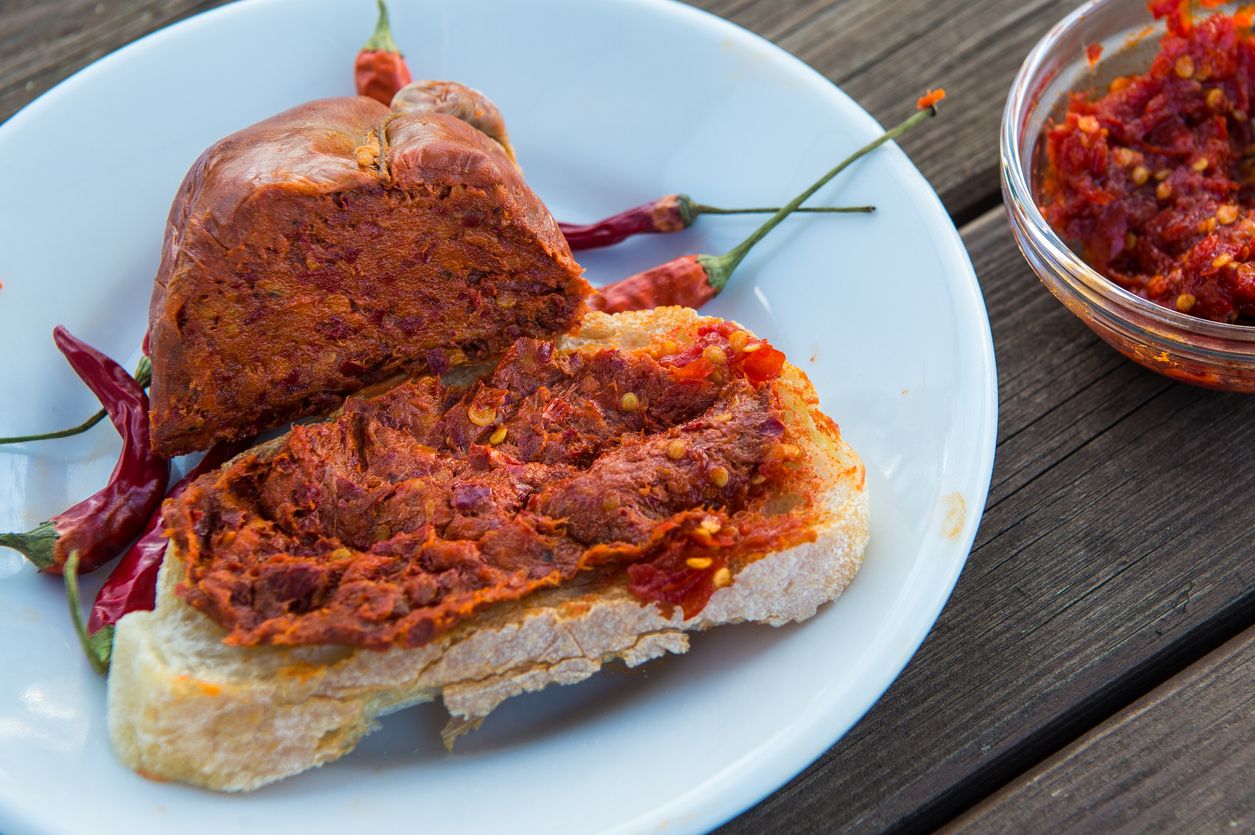
Calabria sits at the toe of Italy with the sea on both sides and the mountains close behind, and its food has that sense of pressure with its heat, salt, smoke, sweetness, and bite. This is a region of strong flavours and older habits, where chillies are threaded through kitchens, vegetables are packed under oil, swordfish comes in from the coast, and Tropea onions bring their floral sweetness to the table.
’Nduja is the famous one – a spreadable chilli sausage made with pork, fat and chilli – but Calabria’s appetite is wide. There are aubergines, peppers, citrus, preserved vegetables, grilled fish, pasta with deep red sauces, and the wines of Cirò, grown from one of the oldest wine traditions in southern Italy. Pour Cirò Rosso with ’nduja, grilled meats, aubergines and tomato sauces; Greco Bianco for swordfish, seafood, citrus and lunches close to the water.
Wine to try: Cirò Rosso, Greco Bianco
What to eat: ’nduja, Tropea onions, swordfish, aubergines, chilli
Where to stay: Sunlight Heaven, Calabria
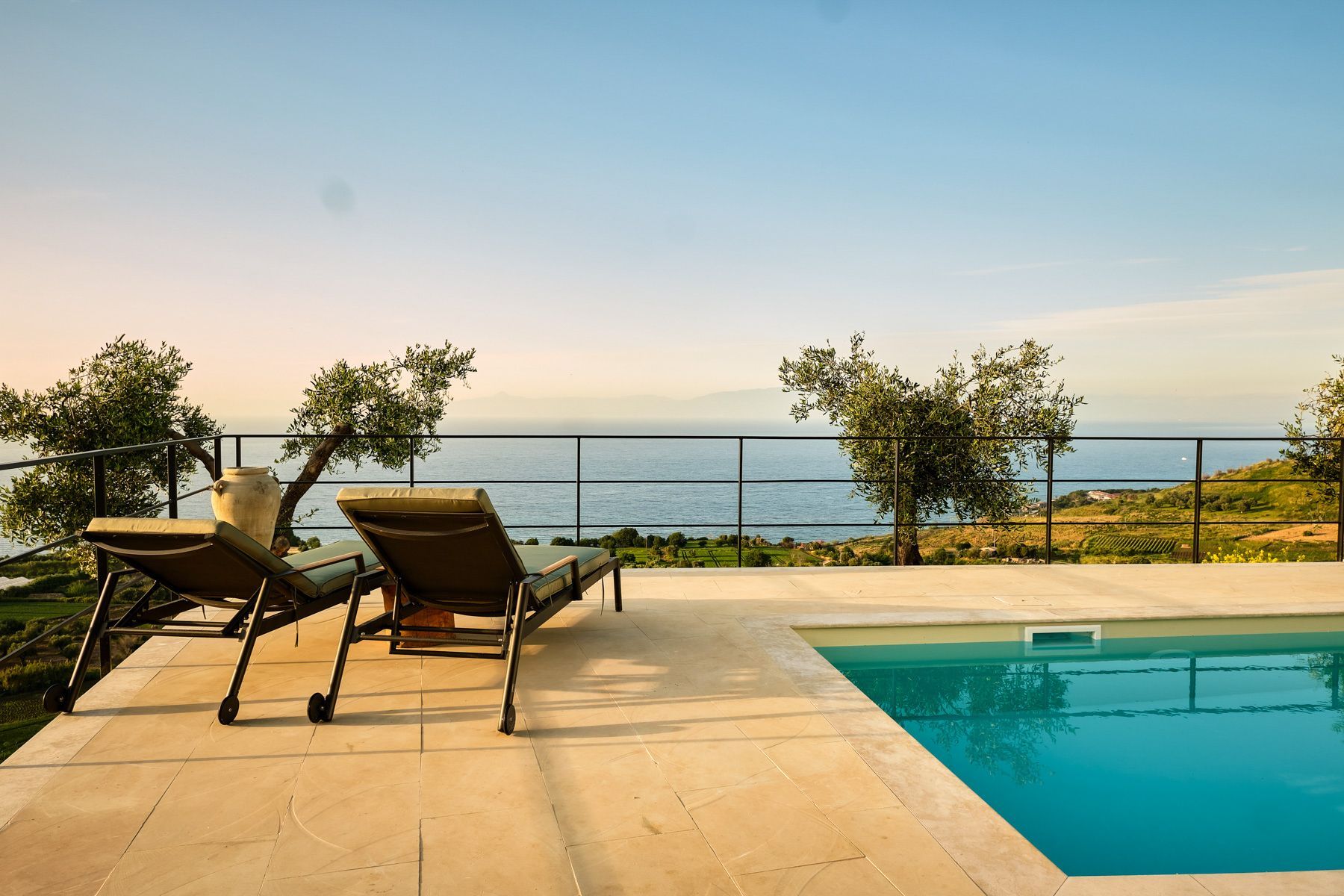
Sunlight Heaven sits near Tropea, where the village, marina and red onion fields bring Calabria’s food culture close to the door. Once an 18th-century farm and tuff quarry, the villa keeps something of that older, earthier life: olive trees, an organic vegetable garden, handmade hammocks in the orchard, and an outdoor kitchen with a wood-burning oven and barbecue.
Lombardy Food and Wine: Risotto, Ossobuco, Milan and the Italian Lakes
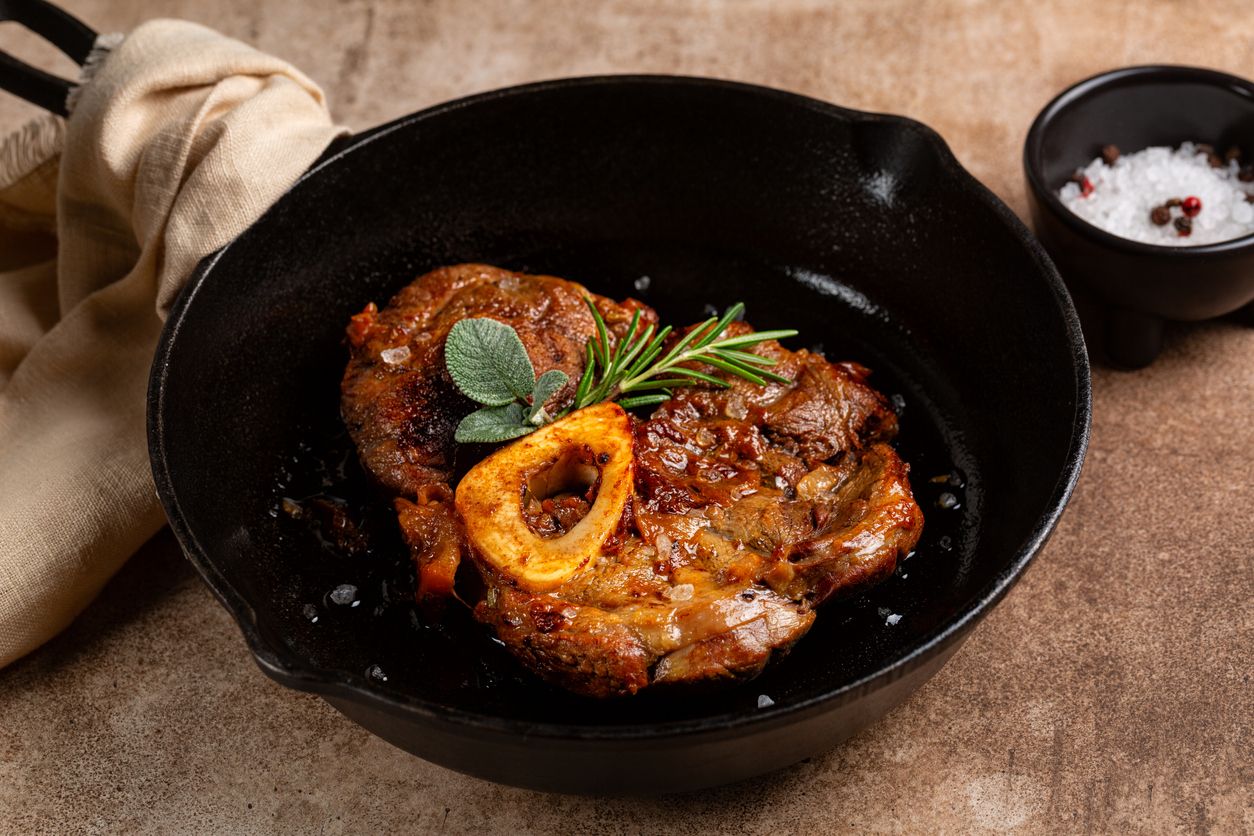
Lombardy’s food belongs to the north. It is richer and fatty – rice, butter, veal, cheese – and built for colder weather. Milan gives you risotto alla Milanese, golden with saffron, and ossobuco, slow-cooked until the marrow emulsifies the sauce. Cotoletta alla Milanese – a traditional deep-fried veal cutlet – is crisp and ceremonious. Further north, pizzoccheri folds buckwheat pasta with cheese, potatoes, cabbage into a case for mountain hunger.
For wine, pour Franciacorta with aperitivo, lake fish and anything fried; Lugana with freshwater fish, risotto and lighter dishes; Valtellina Superiore with ossobuco, pizzoccheri, beef and aged cheese.
Wine to try: Franciacorta, Valtellina Superiore, Lugana
What to eat: risotto alla Milanese, ossobuco, cotoletta alla Milanese, pizzoccheri
Where to stay: Villa Splendente, Lake Como
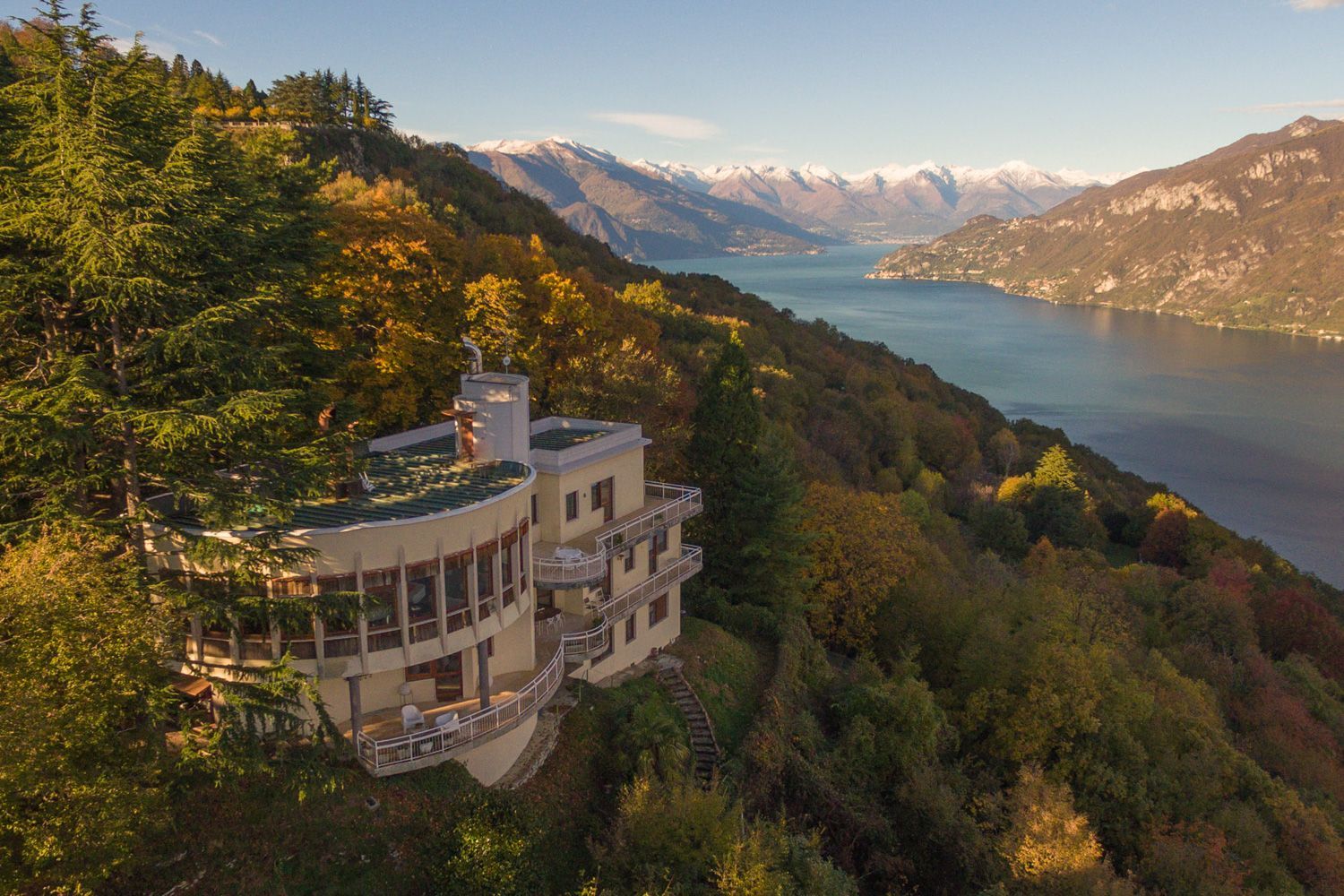
Villa Splendente is a mid-century villa near Bellagio, set in private woodland with wide views of Lake Como in the Italian Lakes. Stay here for morning coffee on the balcony, risotto and lake fish in nearby osterie, Franciacorta before dinner, and evenings when the water, the woods and the old 1960s glamour of the house settle into the same frame.
Piedmont Food and Wine: Barolo, Barbaresco and White Truffles
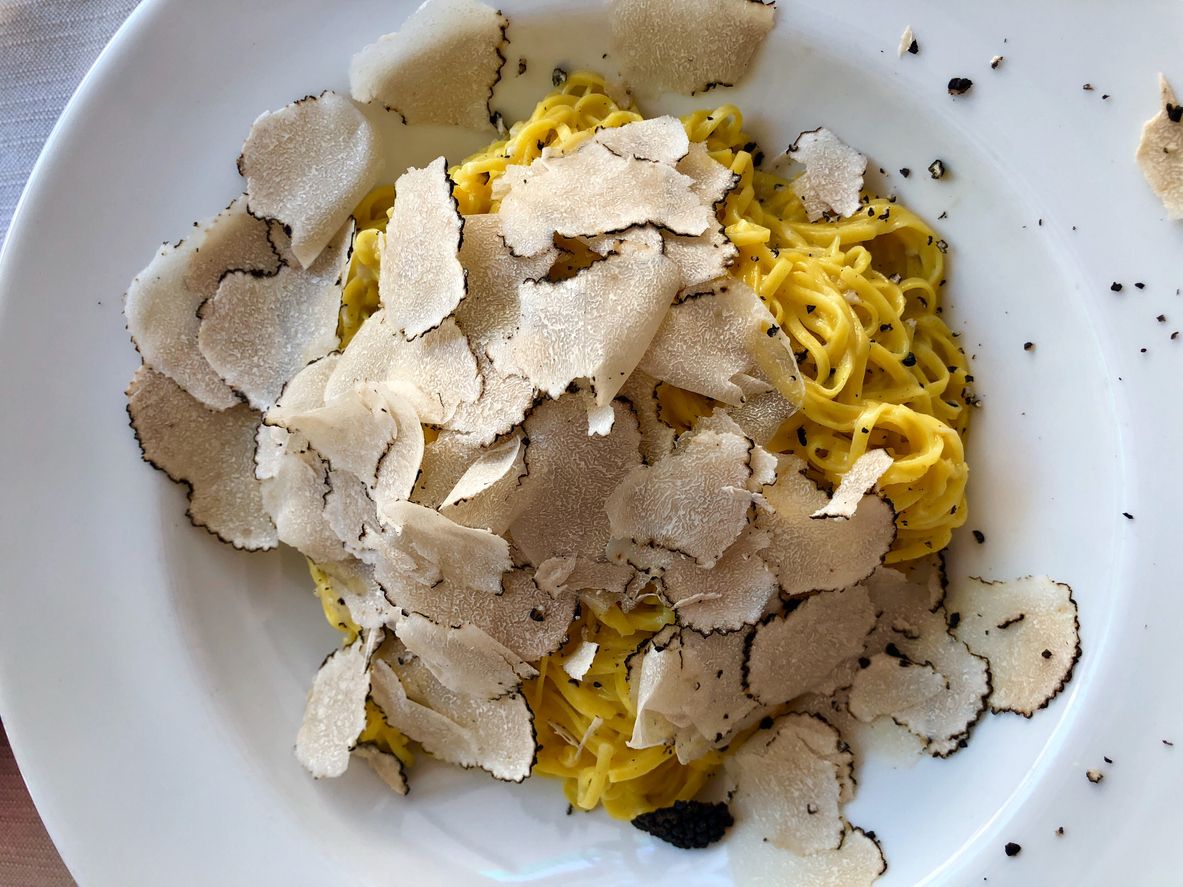
Piedmont sits at the foot of the Alps, inspiring a cuisine shaped by its climate – rich, precise, deeply seasonal. This is the land of Barolo, Barbaresco and Nebbiolo, of Alba white truffles, hazelnuts from the Langhe, tajarin pasta cut fine as ribbons, agnolotti del plin folded by hand, and slow-braised beef cooked in wine until it gives way.
Piedmont’s pleasures are autumnal, wooded and cellar-deep. Truffle markets, vineyard hills, mist over the Langhe, plates of vitello tonnato, risotto, veal, cheese and chocolate. It is one of Italy’s great regions for travellers who want food and wine to be the whole point of the trip.
For wine, pour Barbera d’Alba with agnolotti, veal and richer pasta dishes. Save Barolo or Barbaresco for braised beef, truffles, aged cheese and long dinners that feel like they belong to the season.
Wine to try: Barolo, Barbaresco, Barbera d’Alba
What to eat: tajarin with truffle, agnolotti del plin, vitello tonnato, hazelnuts, braised beef
Where to stay: Villa Dolcetto, Piedmont
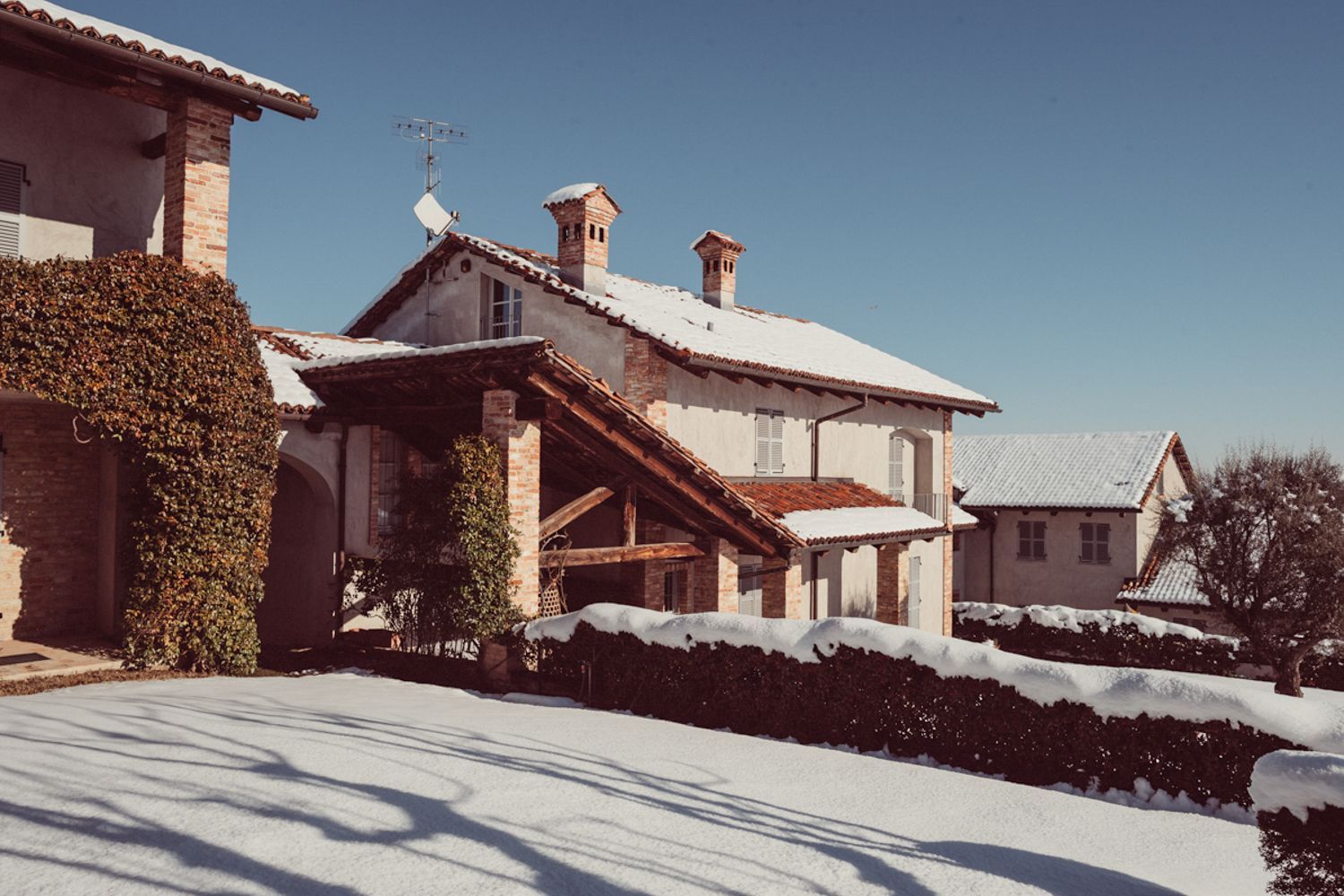
Villa Dolcetto is an elegant holiday home in the Langhe, set within a beautiful borgo surrounded by rolling hills, hazelnut groves and UNESCO-listed vineyards. Stay here for Barolo from the estate’s own vines, tajarin and white truffles served al fresco, cookery lessons, truffle hunts, Alba market mornings, and relaxed evenings back at the house after a day in wine country.
Le Marche Food and Wine: Vincisgrassi, Brodetto and Hilltop Cooking
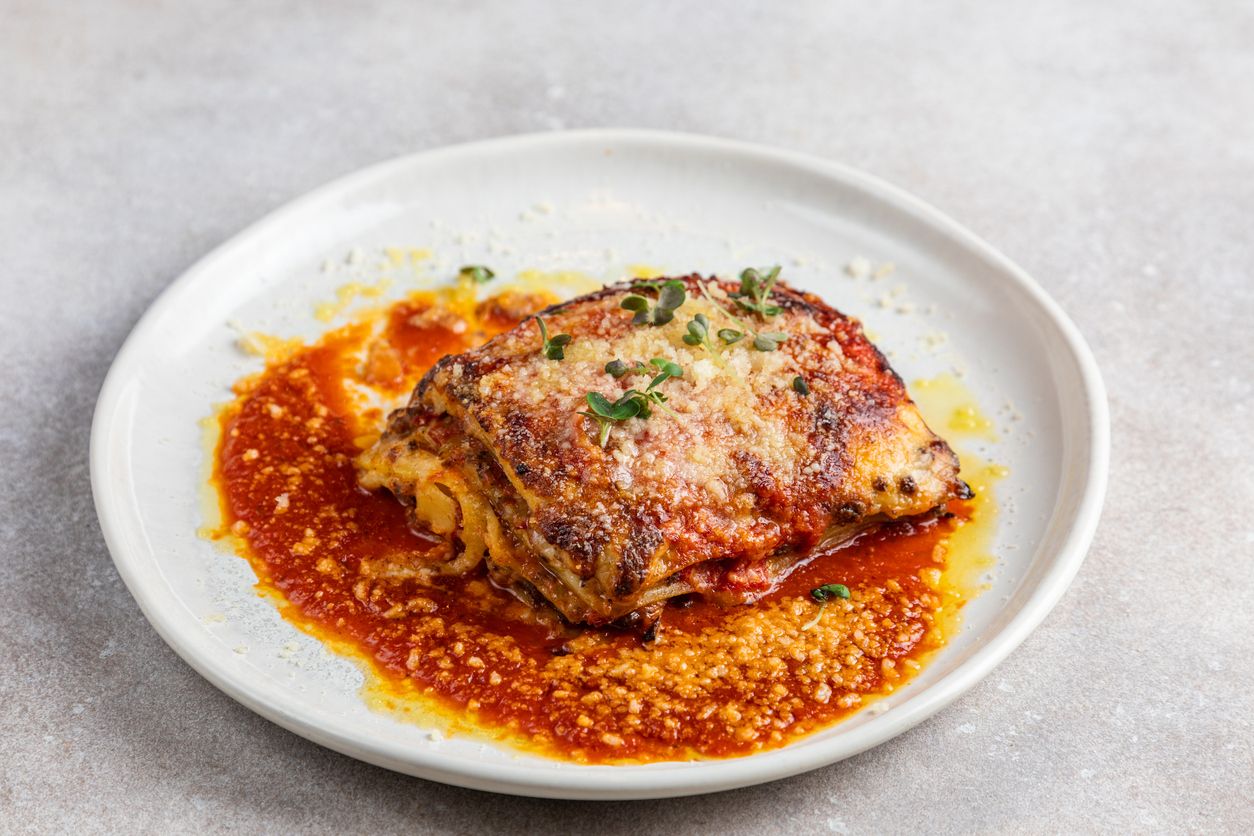
Le Marche sits between the Apennines and the Adriatic, and the food is a product of the two. From the hills come truffles, rabbit, ciauscolo, beans and vincisgrassi, the region’s seven-layer non-lasagne drenched in bechamel and meat sauce. From the water come brodetto, shellfish and fish stews that change from port to port. Olive all’Ascolana – olives, stuffed, breaded and fried – are the perfect introduction: small, crisp, and very moreish.
For wine, pour Verdicchio dei Castelli di Jesi with brodetto, seafood, fried olives and vegetable dishes; Rosso Conero with rabbit, grilled meats and vincisgrassi; Lacrima di Morro d’Alba when the table wants something fragrant and a little unexpected.
Wine to try: Verdicchio dei Castelli di Jesi, Rosso Conero, Lacrima di Morro d’Alba
What to eat: olive all’Ascolana, vincisgrassi, brodetto, ciauscolo
Where to stay: Roverella, Le Marche
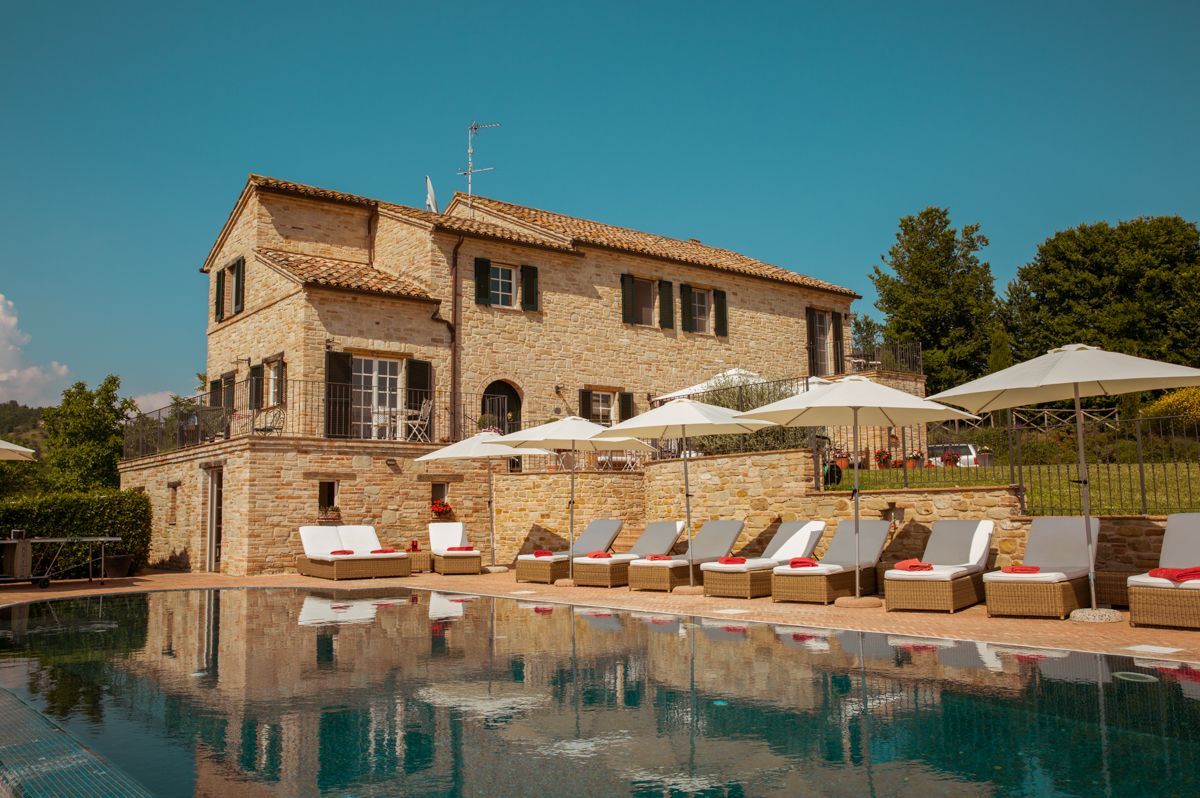
Roverella is an 18th-century farmhouse turned elegant country villa, set in the Le Marche hills with wide views towards the Sibillini Mountains. It is a generous base for this quieter food region, with seven ensuite bedrooms, a self-contained annexe, gardens, terraces and an infinity pool looking over the countryside. Stay here for wine tastings, Ascoli Piceno day trips, Adriatic lunches, long walks, and dinners outside that feel properly earned by the day.
Sardinia Food and Wine: Island Pasta, Seafood and Cannonau
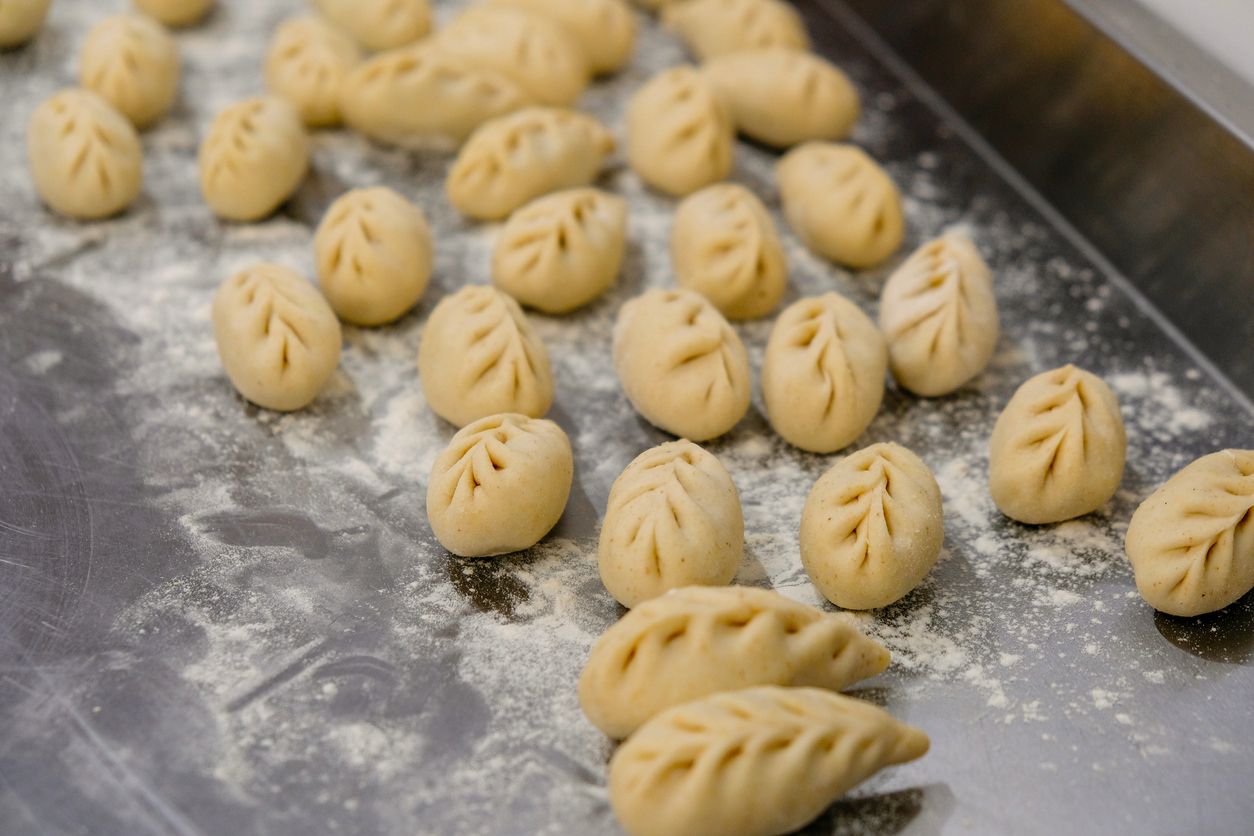
Sardinia has its own food logic, separate from the mainland. It is pastoral and coastal at once: porceddu roasted slowly until the skin crackles, culurgiones filled with potato and mint, fregola with seafood, pane carasau, pecorino, bottarga, myrtle, honey. For centuries, the island’s table has been held between the shepherd and the fisherman. One took bread, cheese, and lamb inland; the other returned from the sea with mullet roe, lobster, tuna.
The wines follow that same split. Vermentino di Gallura is bright and saline; Cannonau is warm, red and generous; Carignano del Sulcis brings depth from the south-west. Sardinia works beautifully for travellers who want beautiful beaches and a food culture with roots and rough edges.
Wine to try: Vermentino di Gallura, Cannonau, Carignano del Sulcis
What to eat: porceddu, culurgiones, fregola with seafood, pane carasau
Where to stay: Villa Tuerredda, Sardinia
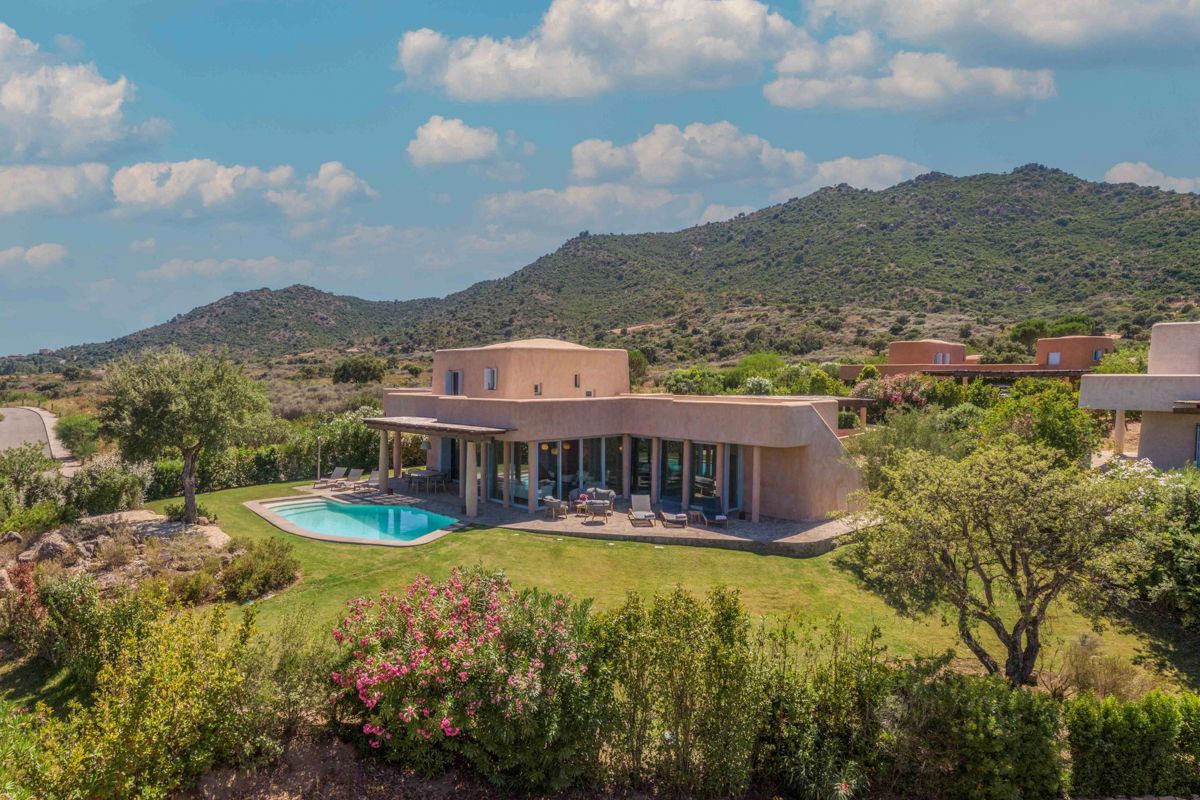
Villa Tuerredda is a modern four-bedroom villa set within a peaceful resort near Pula, surrounded by greenery with mountain views in the distance. Days here can move easily between the pool, the terrace and the rooftop, with beaches, hiking trails and restaurants all a short drive away. Stay here for long outdoor dinners, sunset views, easy trips to Cagliari, and the kind of southern Sardinian stillness that makes the island feel wonderfully removed.
How to Choose the Best Food and Wine Region in Italy
Tuscany and Piedmont: best for classic wine country
Piedmont, Tuscany and Veneto: best for serious wine lovers
Emilia-Romagna: best for pasta lovers
Sicily, Sardinia, Campania (Amalfi Coast), and Liguria: best for seafood
Piedmont, Umbria and Le Marche: best for truffles
Puglia and Calabria: best for rustic southern food
Lazio (Rome), Lombardy (Milan), and Veneto (Venice): best for city dining
Amalfi Coast, Liguria, Sicily and Sardinia: best for coastal food and wine
Discover villas in Italy with Oliver’s Travels
Oliver’s Travels offers villas, apartments and estates across Italy, from Rome city stays and Tuscan vineyard retreats to Puglian trulli, Sicilian coastal homes, Umbrian farmhouses and villas in the Italian Lakes. Choose the region by what you want to taste first, then let the stay shape the holiday.