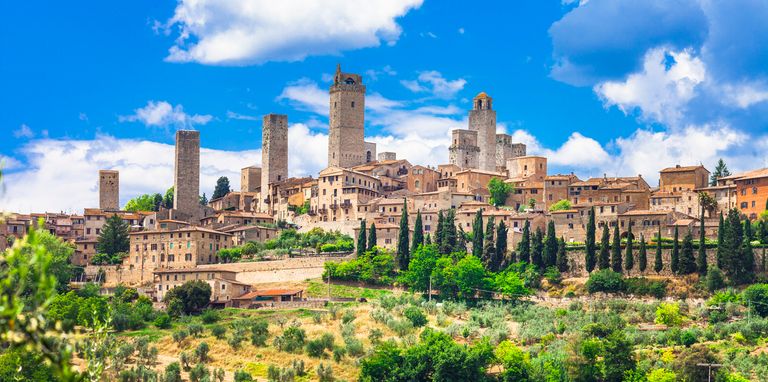
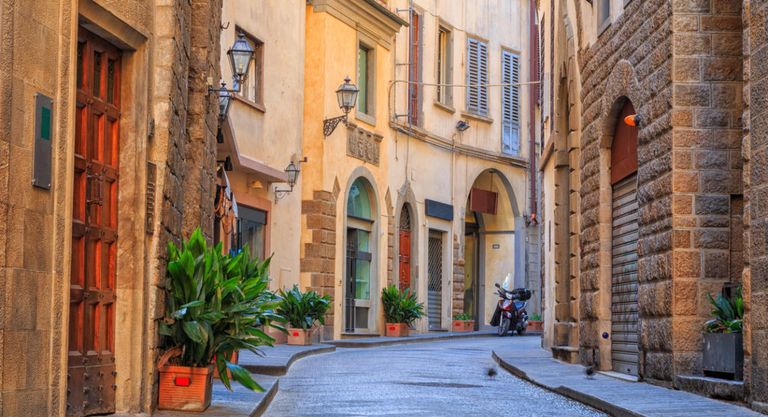
There is a particular pleasure in seeing Italy by train. Vineyards slip past the window, the strike of station clocks sounds almost melodic, mountain light greets you all at one, you spot a glimpse of sea before the train curves, suddenly, inland. Slow travel is not about doing less for the sake of it, but about giving each place a little more room. In Italy, where high-speed rail links the great cities and regional trains still thread their way towards coasts, lakes and hill towns, travelling by train is one of the easiest ways to make a villa holiday feel more intentional.
It also makes sense. Train travel can reduce the need for internal flights, airport transfers and long drives, while allowing you to build a trip around fewer, better-chosen stops. Pair that with a villa or apartment, and you can unpack properly, shop locally, have long lunches at nearby restaurants, and still return to that beautiful Italian light each evening.
What is slow travel in Italy?
Slow travel in Italy means choosing a more considered way to move through the country: spending longer in fewer places, using trains where possible, favouring local food and independent shops, and allowing time for ordinary pleasures as well as famous sights. It might mean taking the train from Rome to Florence instead of flying, staying near Sorrento rather than rushing along the Amalfi Coast in a day, or using the Cinque Terre’s regional rail line to move between villages without a car.
At its best, slow travel is practical as much as romantic. It lowers the pressure on the itinerary, makes journeys part of the holiday, and gives each destination enough time to settle around you.
Why travel around Italy by train?
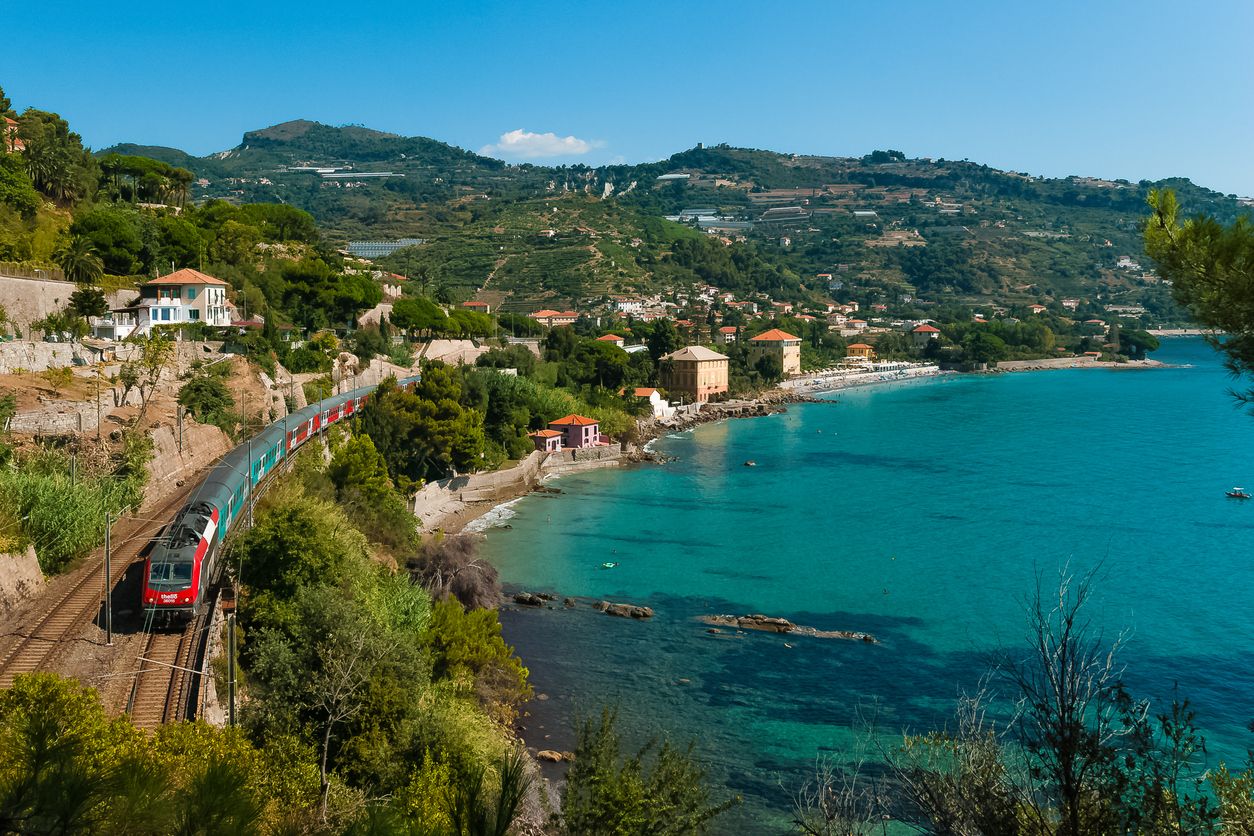
It makes the journey part of the holiday
Train travel in Italy boasts some of the most scenic rail routes in the world. From the rolling hills of Tuscany to the cliffs of the Amalfi Coast, train travel in Italy reveals dramatic landscapes you’d miss while travelling by car. Enjoy panoramic views of vineyards, olive groves, and picturesque villages, all while relaxing in comfort. The route between Venice and Florence, for example, offers mesmerising views of the Tuscan countryside, while the train ride through the Italian Alps offers a spectacle of snow-capped peaks.
Italy’s extensive train network connects major cities, towns, and even remote regions, making train travel in Italy convenient and hassle-free. Trenitalia, the national railway company, offers a range of services from high-speed trains to regional lines, all equipped with modern amenities. High-speed trains like the Frecciarossa and Italo trains make travel between major cities like Rome, Florence, and Milan fast and comfortable. For a more relaxed experience, consider taking scenic trains like the Bernina Express or the Train of the Seven Hills.
It supports more sustainable travel choices
For environmentally-conscious travellers, train travel in Italy provides a greener way to explore the country compared to flying or driving. Trains in Italy are well-equipped with energy-efficient systems, and they help reduce traffic congestion and pollution. By opting for train travel in Italy, you’ll be supporting sustainable tourism while reducing your carbon footprint. And many of our spectacular Italian villas are within reach of a railway station, so you can travel and stay in style.
It encourages better itineraries
One of the best parts of train travel in Italy is the ability to visit smaller, lesser-known towns that you might otherwise overlook. The Italian rail network reaches many charming, tucked-away destinations where you can discover hidden gems. For instance, the charming hilltop village of Matera, known for its ancient stone dwellings, is easily accessible by train. You can also take a train to places like Cinque Terre, the Amalfi Coast, or the charming lakeside towns of Como and Garda, all of which play host to some of our favourite luxury villas in Italy.
It works beautifully with villa holidays
Train travel sets the pace, but a villa is what lets the holiday properly slow down. Instead of moving from hotel to hotel, you can choose one well-connected base and stay long enough for the place to become familiar. It also makes the logistics feel more intentional. Arrive by train into a city, coastal hub or regional station, then use a short transfer to reach the villa, where the rest of the holiday can unfold with less rushing and more room. For families and groups, that combination is especially appealing – you get easier shared travel, more space once you arrive, and the freedom to really settle into Italy rather than simply pass through it.
Rome to Florence – best for art, culture, and a slower first trip to Italy
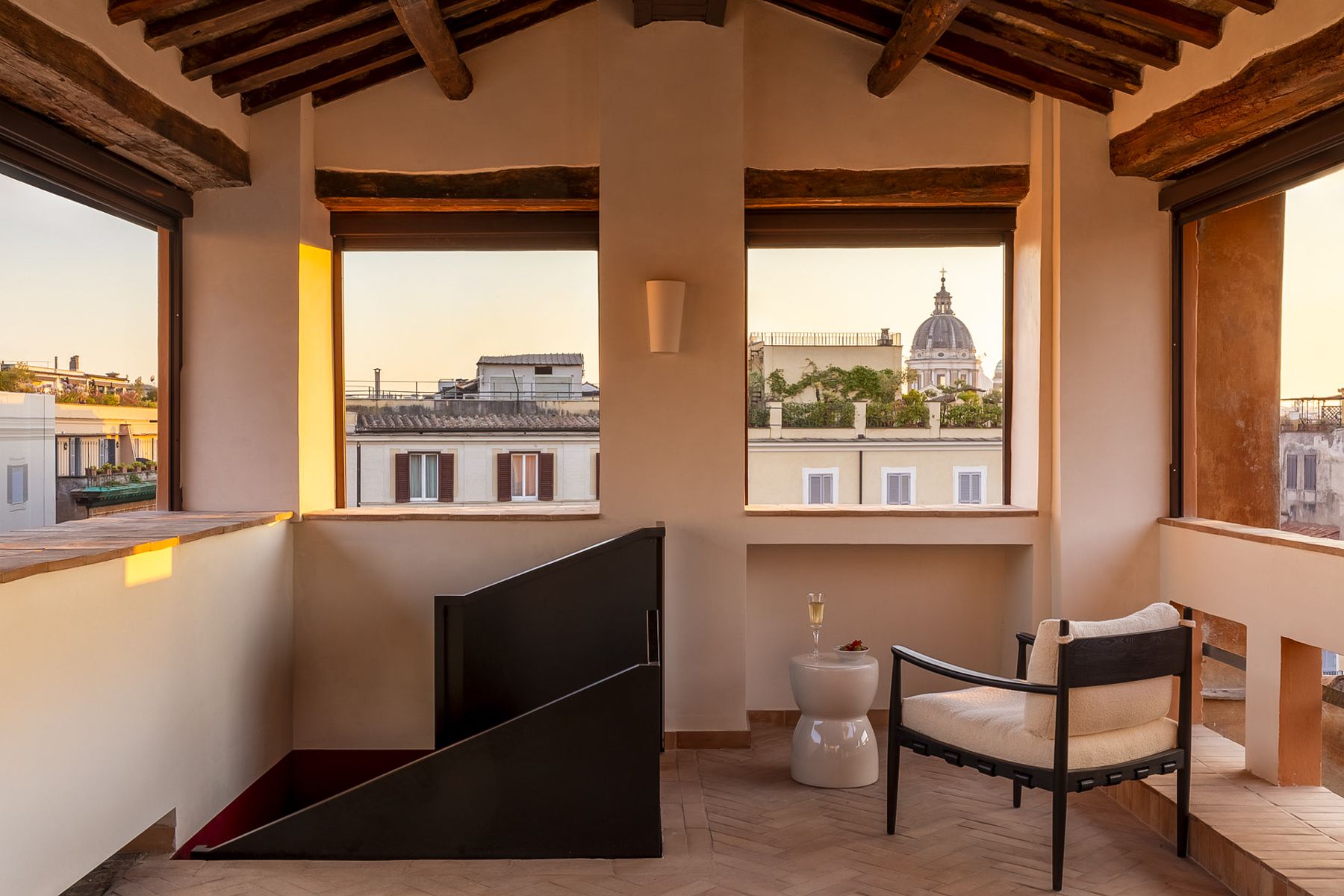 Where to stay in Rome: Spanish Steps Loft
The train from Rome to Florence is one of Italy’s great slow-travel routes because it lets you connect two of the country’s most storied cities without breaking the pace of the holiday. Begin with Rome’s ancient ruins, neighbourhood trattorias and piazzas. Then travel north towards Florence for Renaissance art, Tuscan food and easy onward connections into the surrounding countryside.
It is a particularly good route for first-time visitors who want the richness of a classic Italy itinerary without the pressure of too many stops. Rather than rushing from landmark to landmark, you can stay longer in each city, use the train for the bigger movement between them, and let the journey become a natural pause between two very different kinds of beauty.
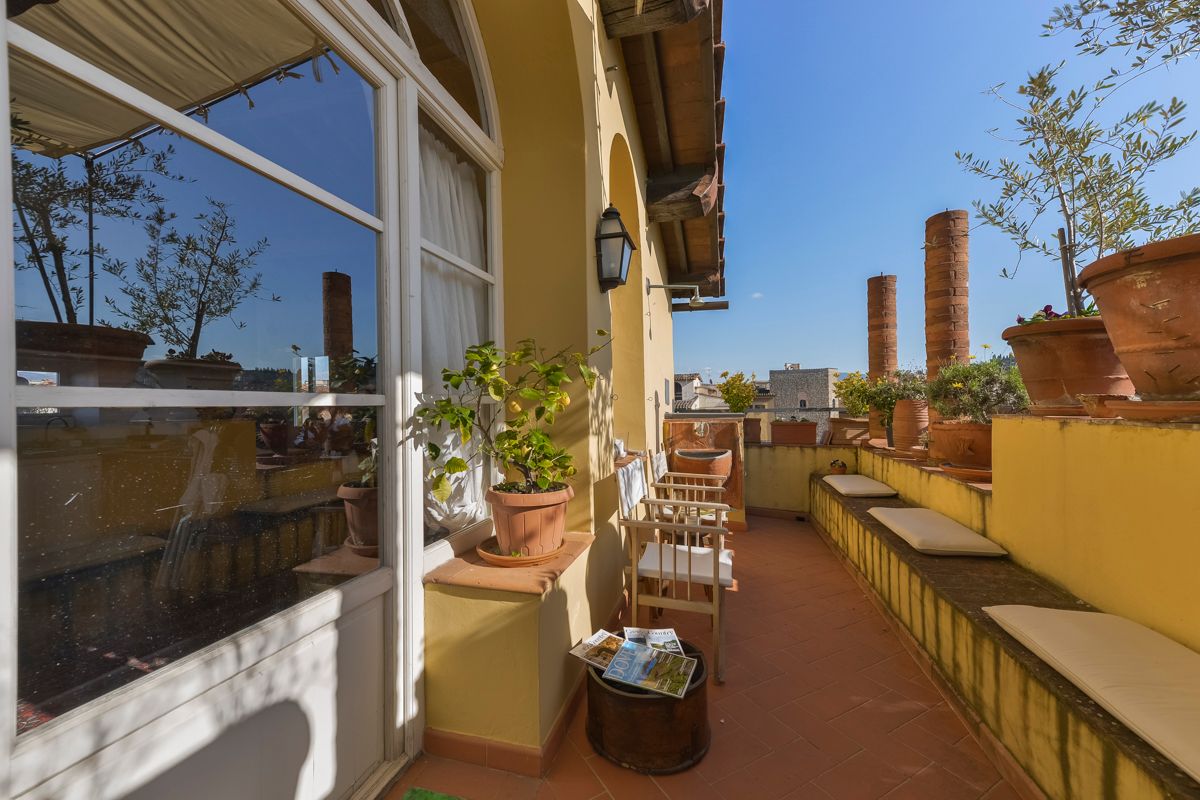 Where to stay in Florence: Florence View Loft
Milan to Venice – best for northern Italy by rail
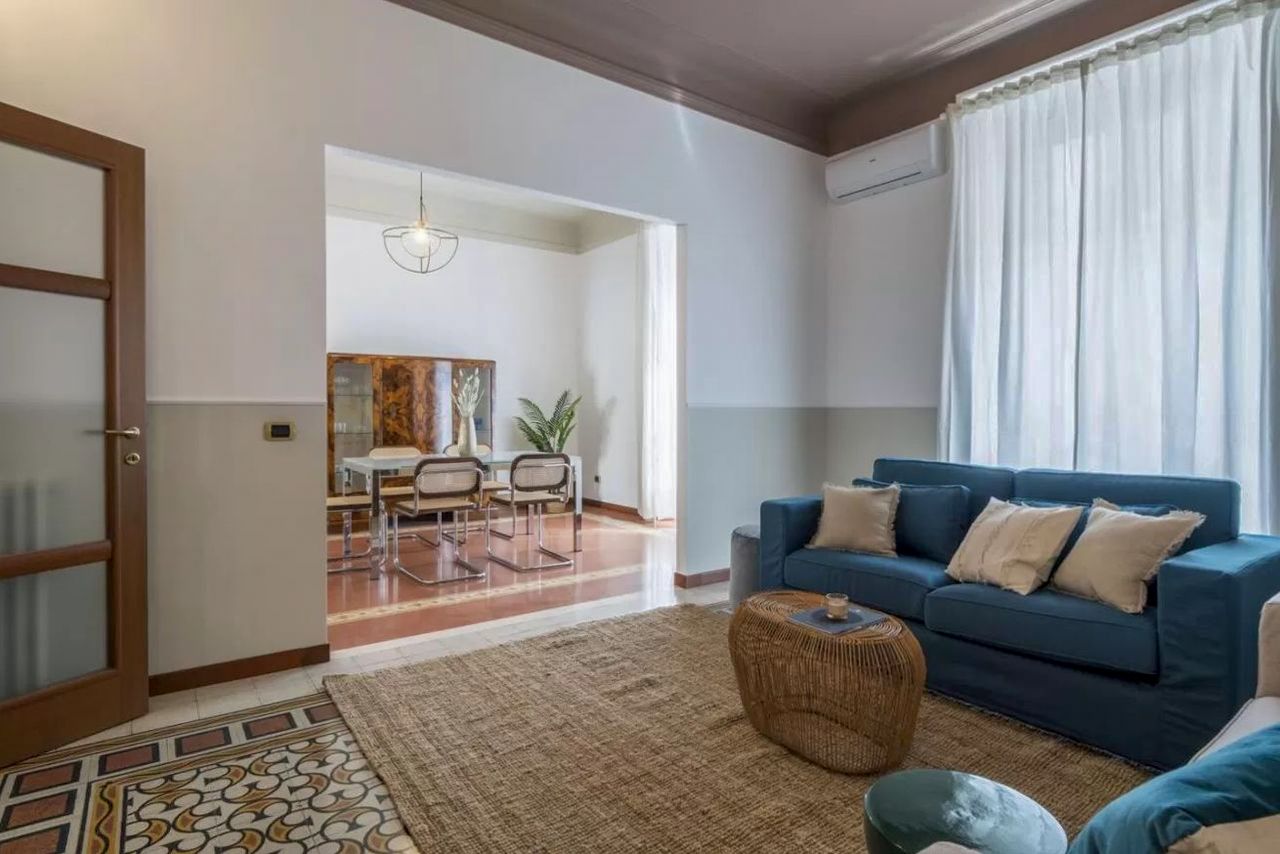 Where to stay in Milan:Apartment Da Vinci
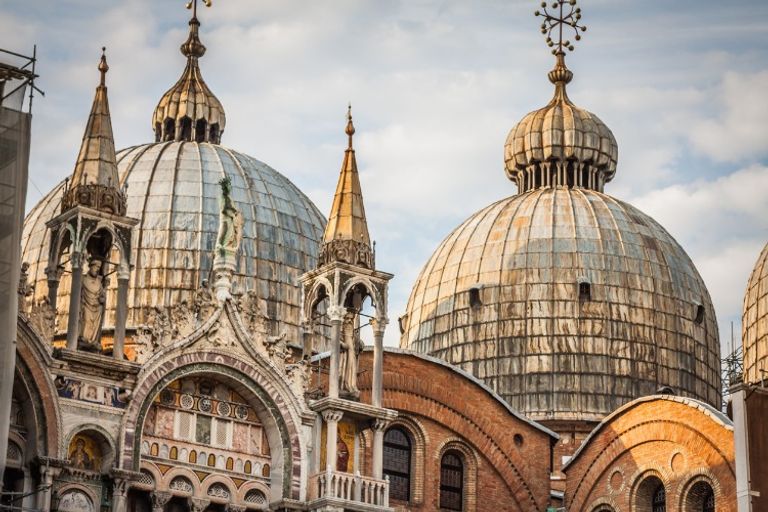
Milan to Venice is a wonderfully elegant pairing for travellers who want to experience northern Italy by train. Milan brings design, fashion, food and a certain polished city energy, while Venice offers the slower, stranger magic of canals, campi and waterborne arrivals. Travelling between the two by rail keeps the journey simple, especially for those who would rather avoid internal flights or a long drive across the north.
This route works especially well as part of a broader slow-travel holiday. Stay in Milan long enough to move beyond the Duomo and discover its galleries, courtyards, restaurants and aperitivo rituals, then let Venice change the pace completely. The pleasure is in the contrast – one is a city of tramlines and tailoring, the other of water, stone and soft evening light.
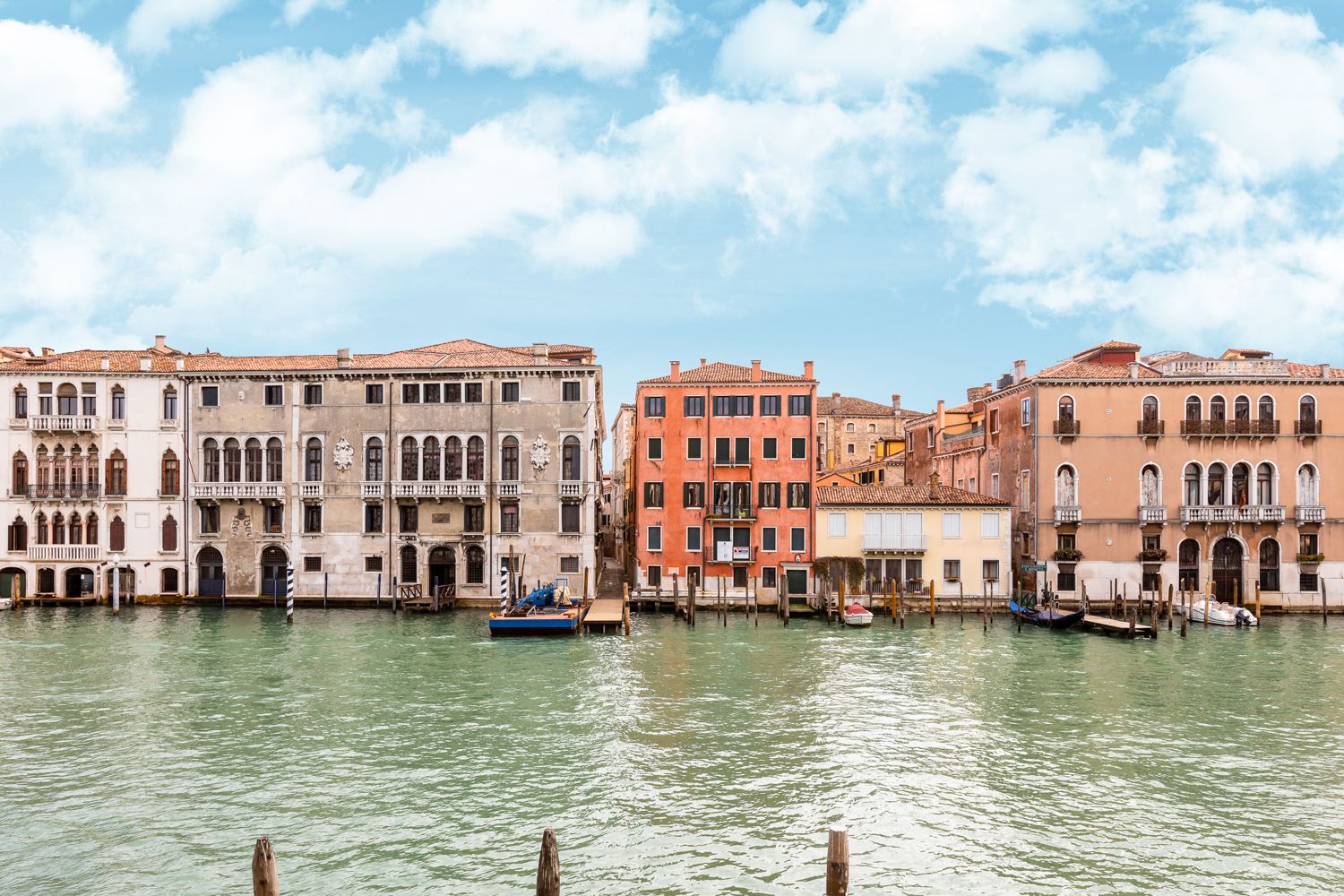 Where to stay in Venice: Palazzo Perla
Amalfi Coast to Calabria – best for a slow journey through southern Italy
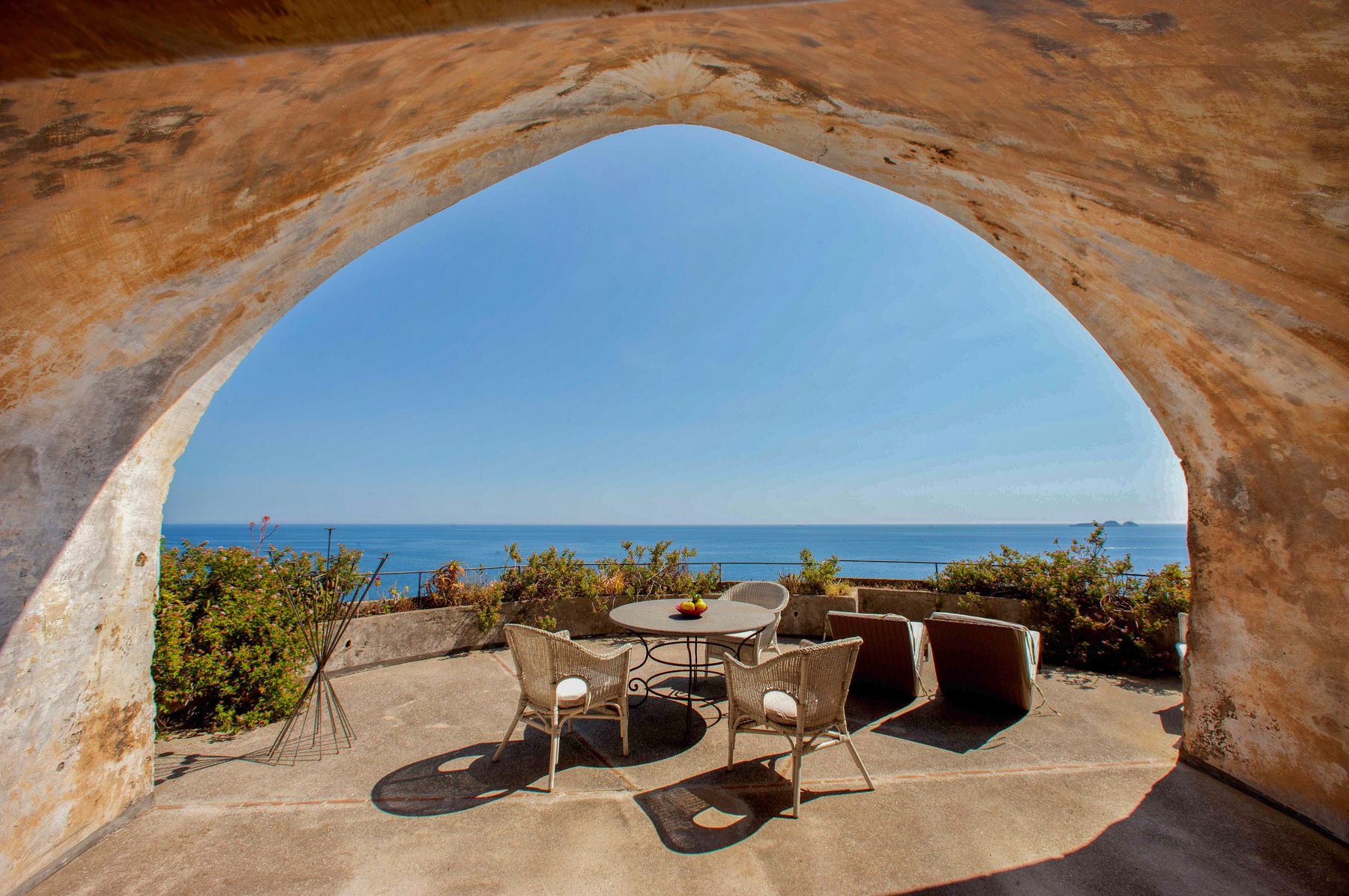 Where to stay on the Amalfi Coast: Casa Agrumi
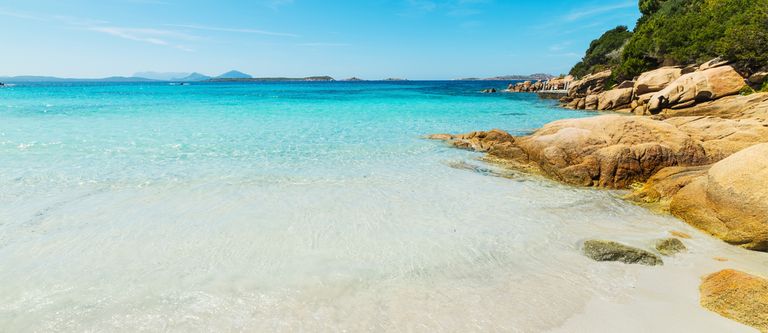
At the eastern end of the Amalfi Coast, Salerno makes a wonderfully practical starting point for a slower journey into southern Italy. This ancient coastal city gives travellers easy access to the region’s famous cliffside towns, while also sitting on the main rail line south towards Calabria. From here, the journey begins to shift. The polished drama of the Amalfi Coast gives way to Calabria’s wilder beaches, rugged hills, turquoise coves and quieter seaside towns.
This is a route made for travellers who wantto take their time. Begin with a few days around the Amalfi Coast, then continue south by train towards Calabria, using a local transfer for the final stretch to your villa. The appeal is not just in getting from one place to another, but in watching southern Italy change as you move – from lemon terraces and grand coastal views to a wilder, less hurried version of the Italian south.
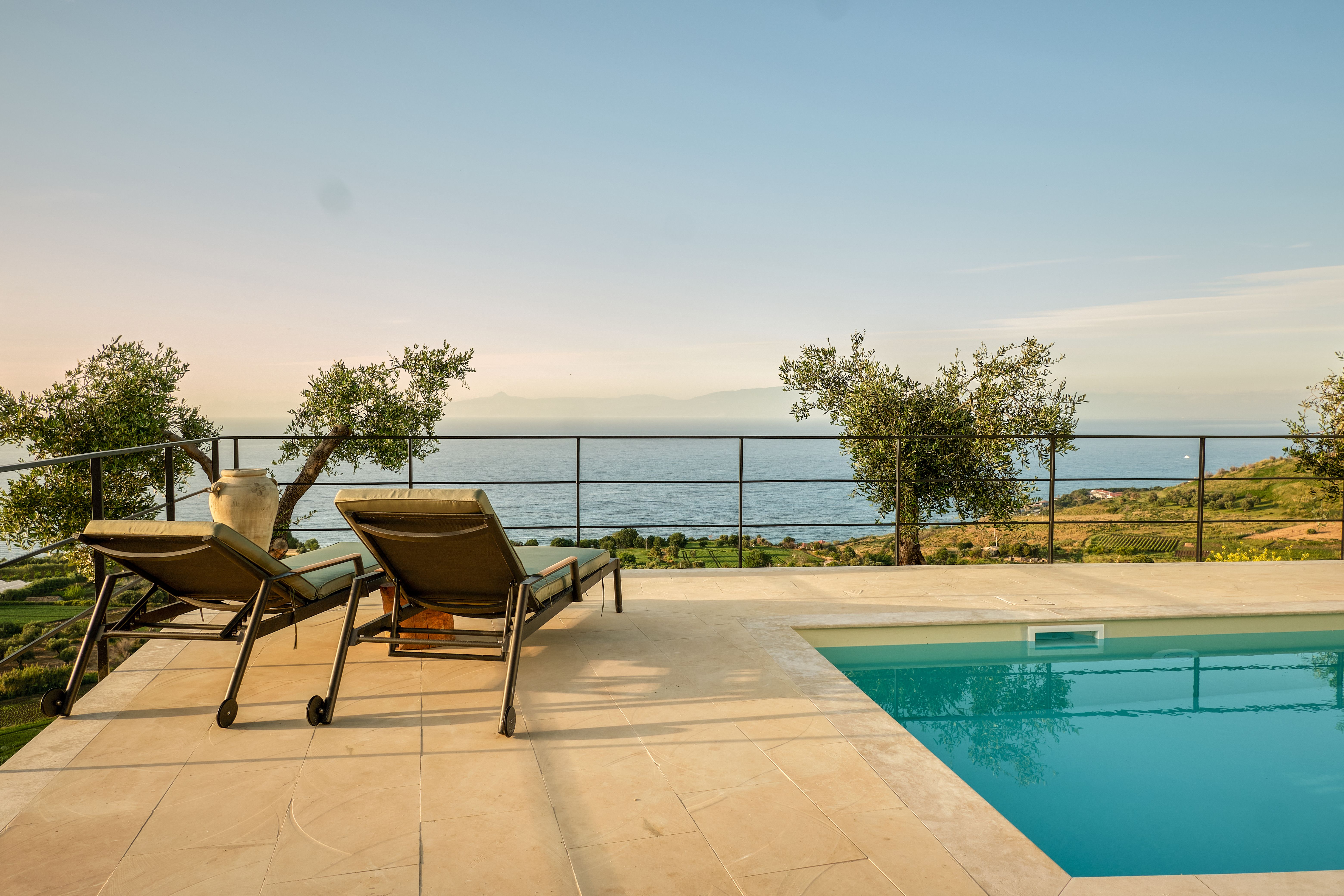 Where to stay in Calabria: Sunlight Heaven
Cinque Terre by train – best for car-free coastal exploring
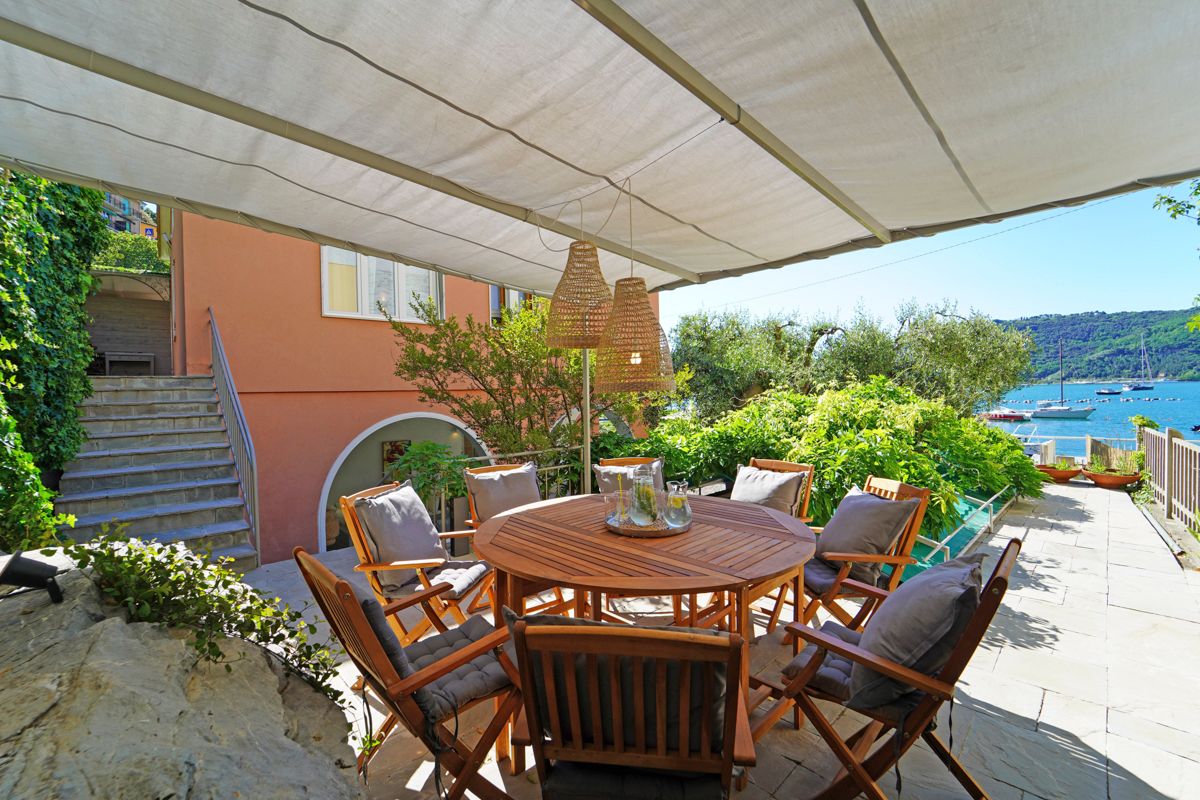 Where to stay on the Cinque Terre: Casa Palmaria
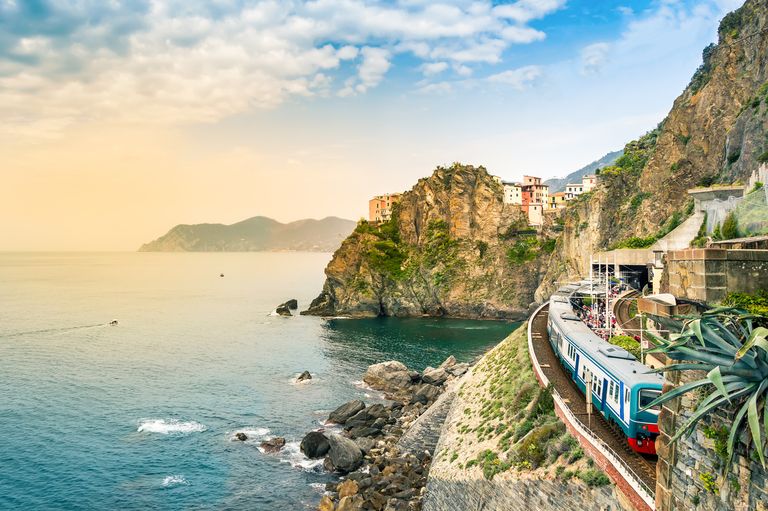
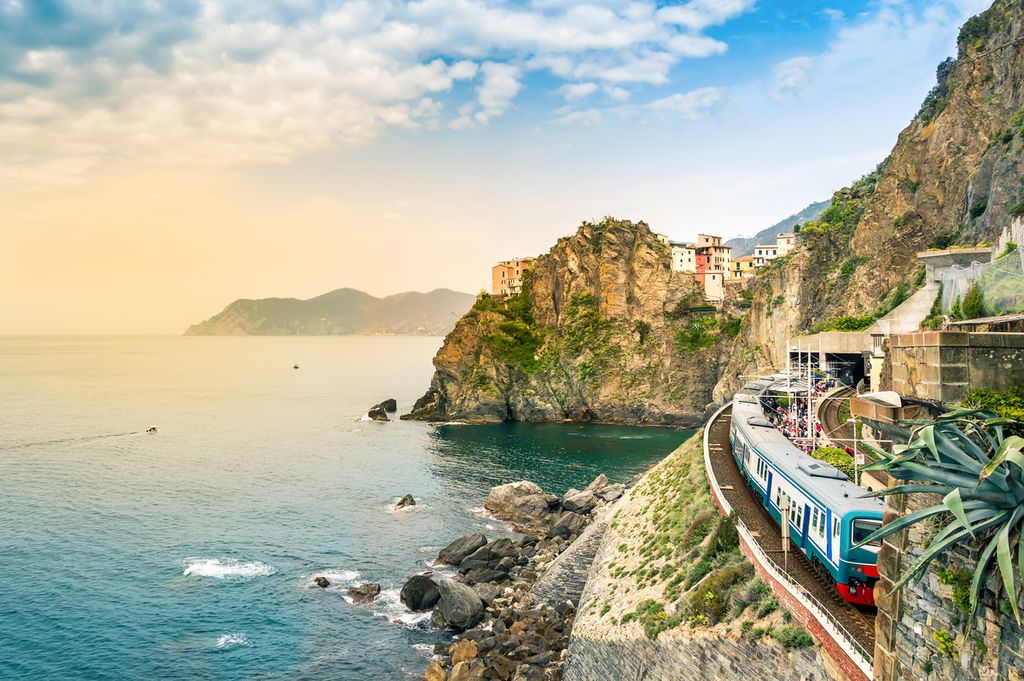
The Cinque Terre is one of the clearest examples of why train travel suits slow holidays in Italy. The five villages of Monterosso, Vernazza, Corniglia, Manarola and Riomaggiore are linked by regional trains along the Ligurian coast, making it easy to move between them without a car.
The joy here is not in ticking off all five villages as quickly as possible, but in letting the train set a looser pace. Walk one stretch of coastline, swim when the heat gets too much, take the train somewhere else for dinner, then return as the light gilds the water. It is a route that rewards travelling lightly and staying close enough that you really get to know the landscape.
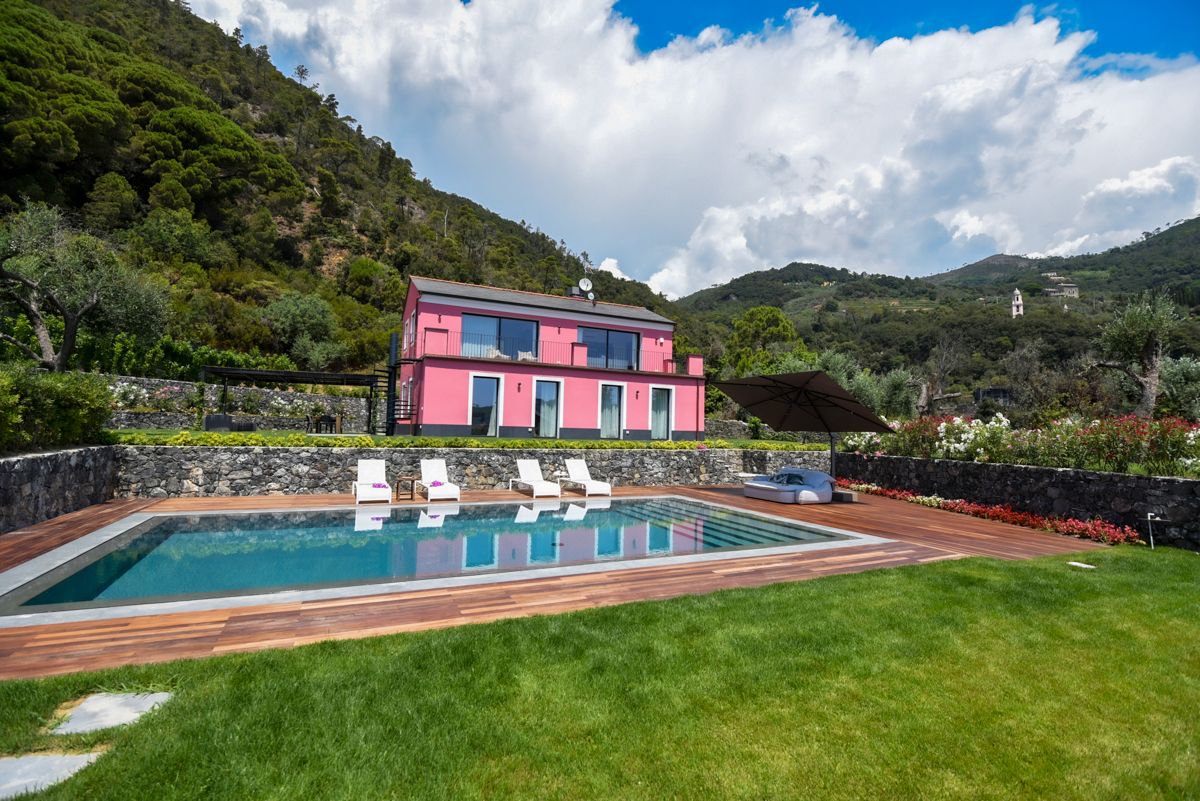 Where to stay on the Cinque Terre: Villa Superga
Tips for Enjoying Train Travel in Italy:
- Book Tickets in Advance: While train travel in Italy is fairly affordable, booking tickets in advance can help you secure better deals, especially for high-speed trains. Tickets can be purchased online through the Trenitalia website or at train stations.
- Travel During Off-Peak Times: Trains in Italy can get crowded during the peak summer months, so try to travel during off-peak times if you prefer a more relaxed journey. Early mornings or late afternoons are ideal for avoiding the rush.
- Pack Light: While train travel in Italy is comfortable, trains can be cramped during busy travel times. Packing light will make it easier to manoeuvre through crowded stations and fit your bags in the overhead compartments or under your seat.
- Consider a Rail Pass: If you plan on exploring multiple regions, consider purchasing a rail pass like the Eurail Pass, which can offer unlimited travel within a certain period and save you money on long-distance trains.
- Book one of Oliver’s Travels’ idyllic Italian villas: A number of our luxury villas in Italy qualify for our sustainable villas collection and are within easy reach of a train station.
Inspired by our roundup of train travel in Italy? Check out our full collection of villas in Italy on Oliver’s Travels.