Why visit
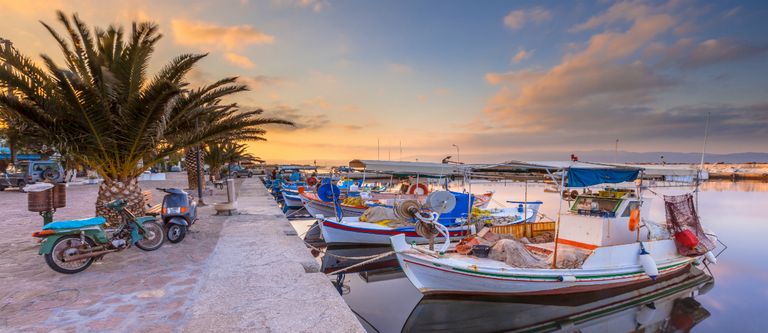
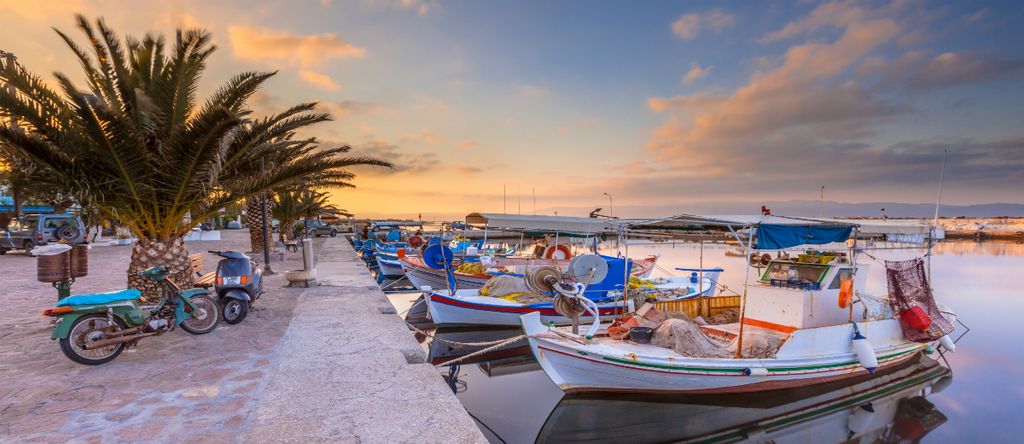
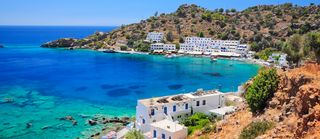
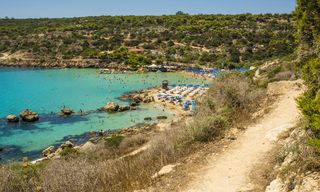
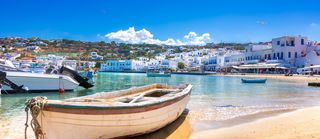
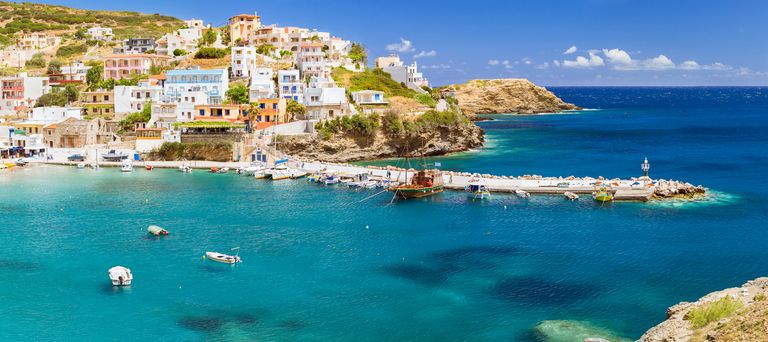
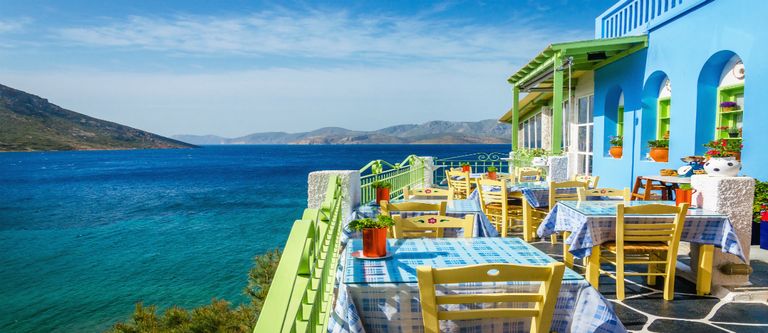
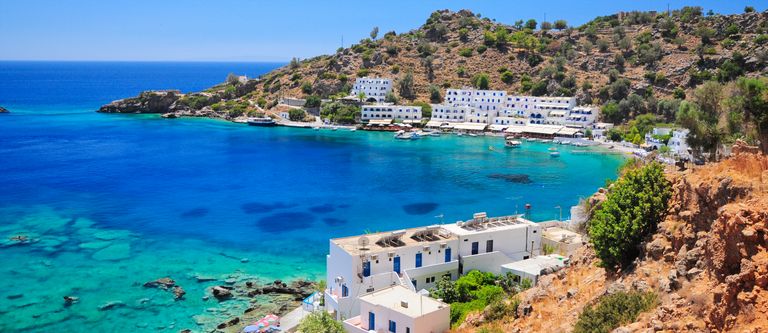
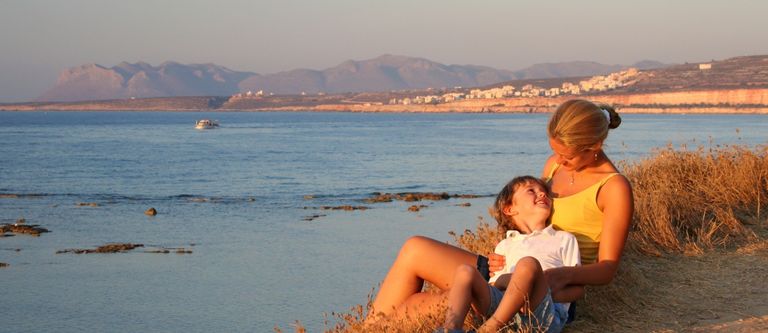
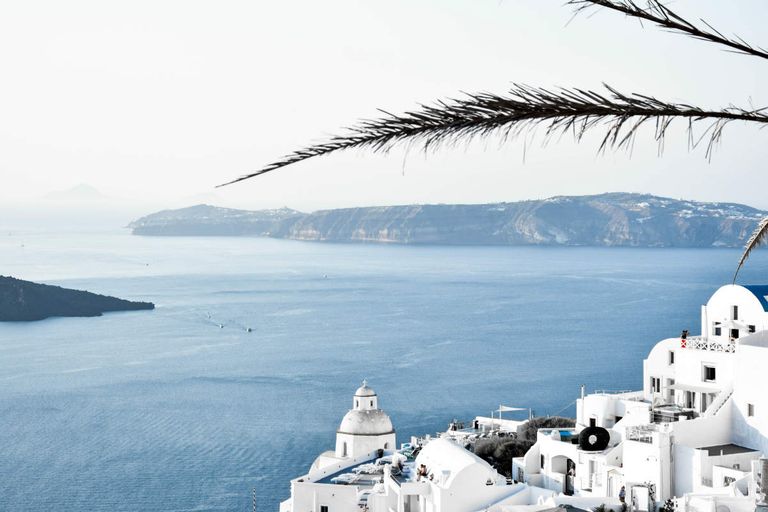
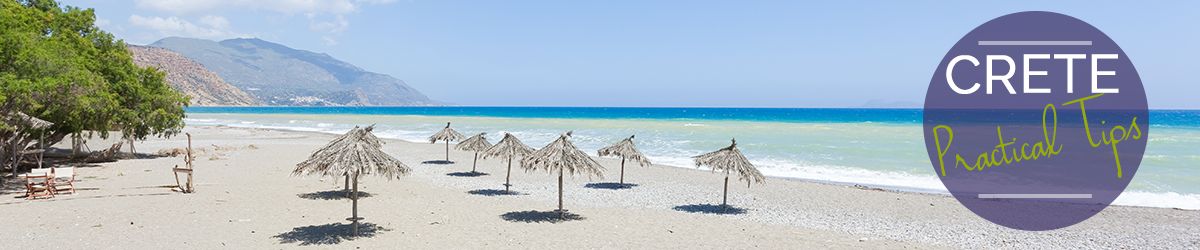
With castaway beaches, warm shallow lagoons, rugged mountain landscapes and atmospheric harbour-side towns, Crete has everything you could wish for in a Greek island. Away from the beaches, there are ancient archaeological sites and treasure-trove museums, charming fishing harbours with taverna-lined squares, and teeny tiny churches hidden in unexpected corners of the mountains.
When to visit
The warm waters and mountainous terrain of Crete enjoy a reliably long summer season, with mild, sunny days as early as April and as late as October. April and May, when spring flowers are in full bloom and the weather is warm but not uncomfortably so, are prime visiting months. The crowds are usually out in force at Easter, but for the rest of spring you can expect to have much of the island to yourself.
Temperature and visitor numbers both begin to climb in June, before the real rush and hottest days arrive in July and August. Autumn is another fine time to visit, when the pace switches down a gear, crowds begin to disperse and the temperature rarely dips below 20 degrees Celsius. Winters in Crete are mild and the weather can be pleasant, but many places shut up shop completely and the rain makes regular appearances.
Typical Sights
• Knossos – Discover myths and legends at the ancient Minoan palace.
• Samaria Gorge – Hike 16 kilometres through rugged National Park land.
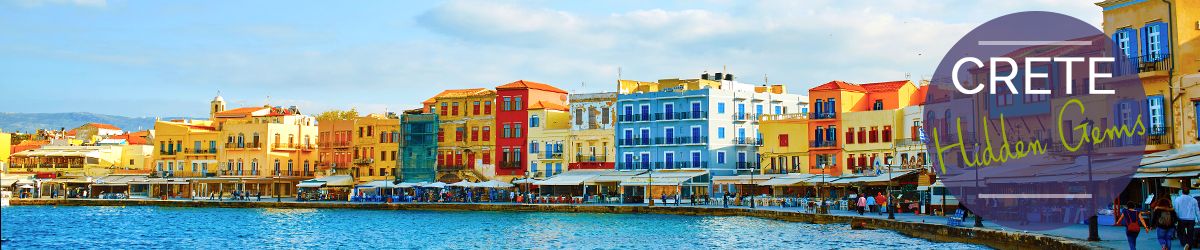
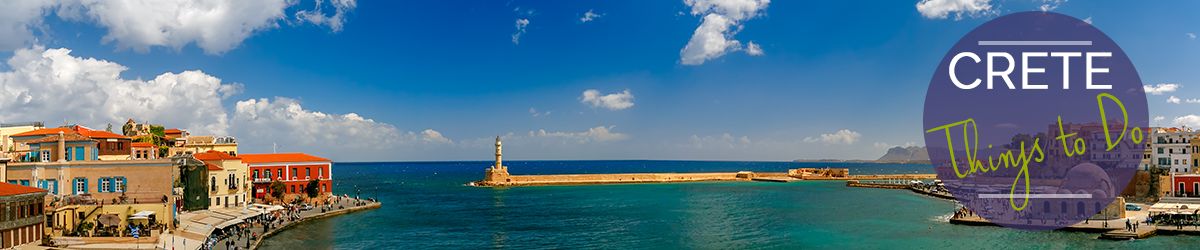
• Chania – Feast in Chania’s harbourside restaurants.
• Balos Lagoon – Paddle in crystal-clear turquoise waters.
• Spinalonga – Explore evocative remains on an island that once served as a leper colony.
• Rethymno – Wander the elegant streets of the old town.
• Heraklion Archaeological Museum – View the world’s best collection of Minoan artefacts.
• Elafonisi Beach – Unroll your towel on pink-hued sand.
Getting Around
- Public transport: An hourly bus service links all of Crete’s main towns and resorts along the north coast, while less frequent buses run to remote villages and the towns in the south.
- By boat: A handful of ferry companies offer return services to Crete’s more secluded beaches. When a ferry isn’t available, arranging a trip with a local fisherman is usually pretty straightforward.
- Taxis: Taxis in Crete are good value and drivers are used to long distance journeys, so if you want to day trip to somewhere that isn’t serviced by regular buses, you can arrange for a cab to pick you up.
- By bike: If you’re willing to tackle Crete’s mountainous terrain, cycling is a great way to take in the scenic surroundings. Bikes can be hired all over the island.
- By air: There are airports at Heraklion and Chania on Crete. Heraklion is the larger one, but both are well-served by a huge array of airlines flying regularly from the UK.
- Hiring a car: Hiring a car from the airport is best done in advance. Alternatively, try renting a car from a Cretan company near your hotel; car hire prices from local companies are often cheaper. Small vehicles are preferable, as village streets tend to be on the narrow side.