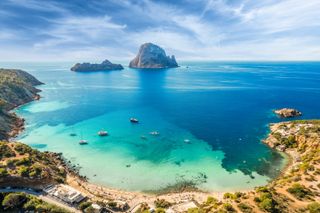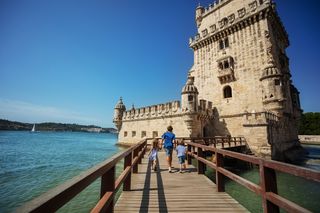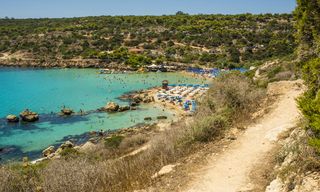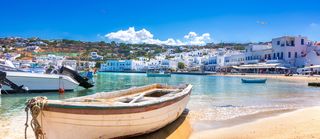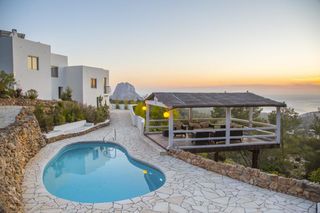
For a true sense of escape, Portugal makes a strong case for doing very little, very well. A villa only deepens the experience. Across the country, landscapes shift quickly, from vineyard-covered valleys to quiet fishing villages, and with them, homes that feel as considered as their surroundings.
In the Algarve, houses sit low among citrus trees and pale stone, keeping interiors cool. In the Douro, homes fold into the hills or sit between terraces of vines, their scale set by the land. Around Lisbon, spaces open into wider terraces, larger windows, and views that take in both city and coast. In Madeira, villas climb higher, set above the Atlantic, where the horizon is part of the view.
Stay in one place and these details begin to matter. Somewhere between the way light reaches the kitchen, the shaded spot outside that keeps things cool, and the chair everyone lays claim to, the villa stops feeling like somewhere you’re staying and begins to feel like home, if only for a while.
Things to do in the Algarve: Sun, Sea & Golf
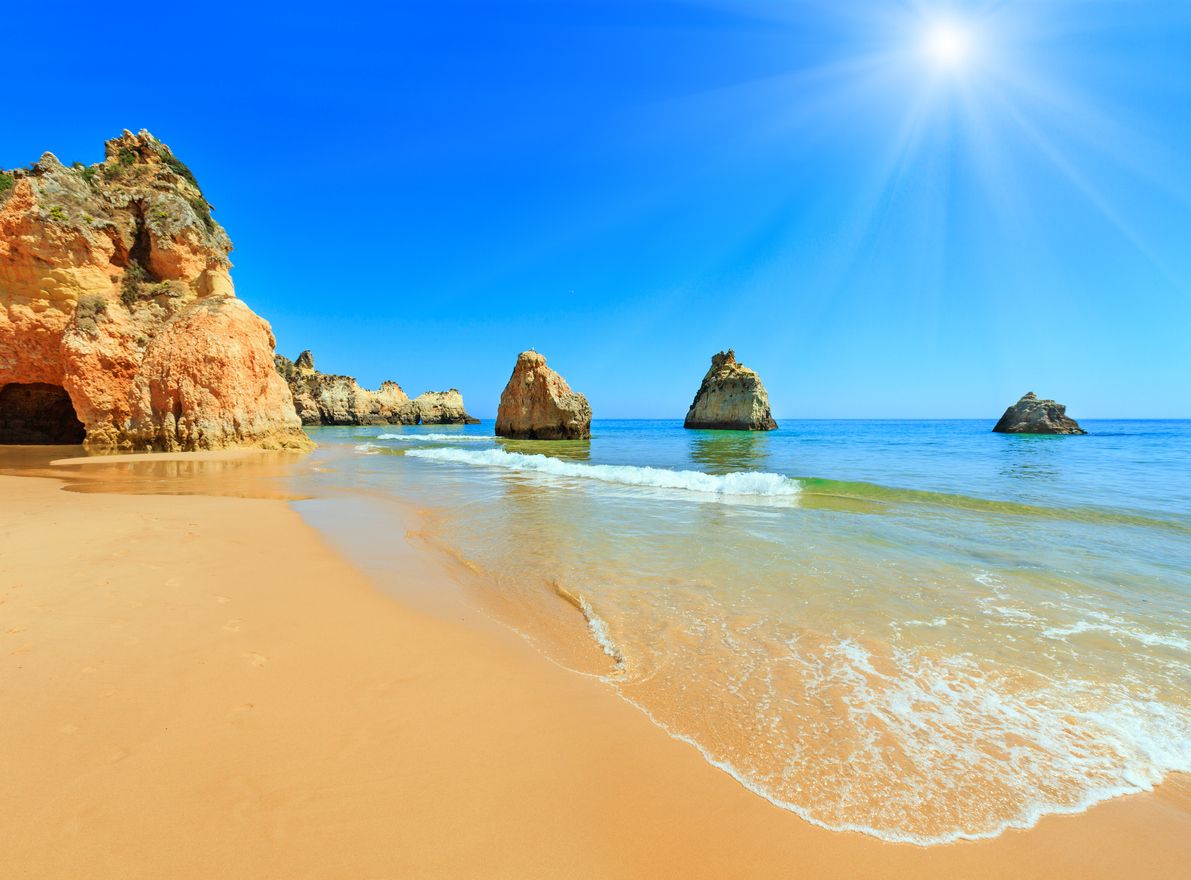
In the Algarve, the land doesn’t quite hold its shape. You follow a path that seems ordinary enough – dry ground, low shrubs, some dust – and then the edge appears. The coast arriving all at once, without warning.
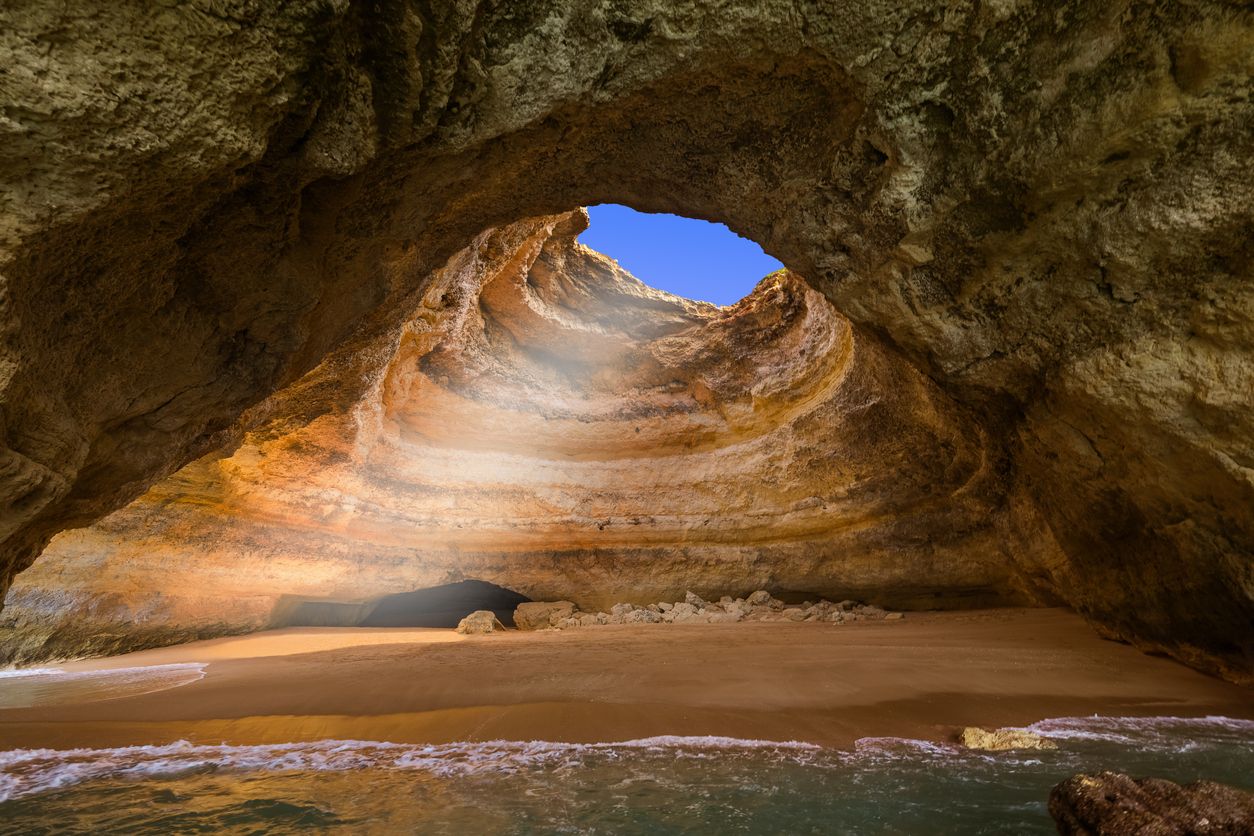
At Benagil, near Carvoeiro, the cliff opens into a cave you could easily walk past. From above, it gives away very little. Then you step closer and see the circle cut into the rock, light falling straight onto the sand below. Boats drift in and out, people arrive slightly wide-eyed. And for a moment everyone looks up, caught in the impossible glow.
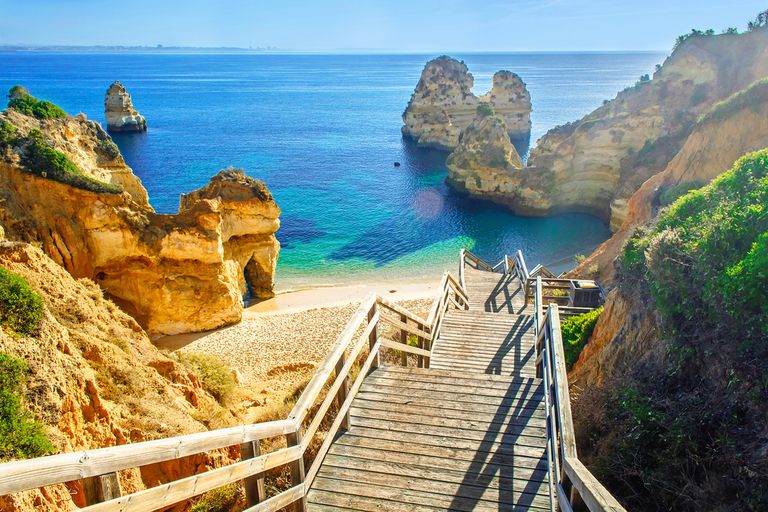
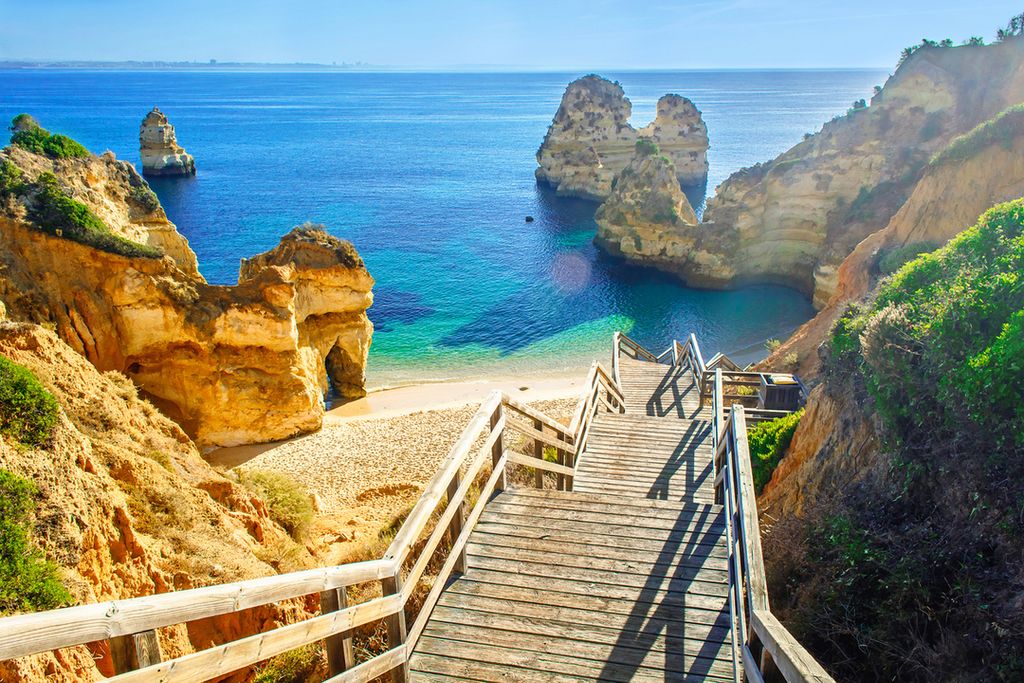
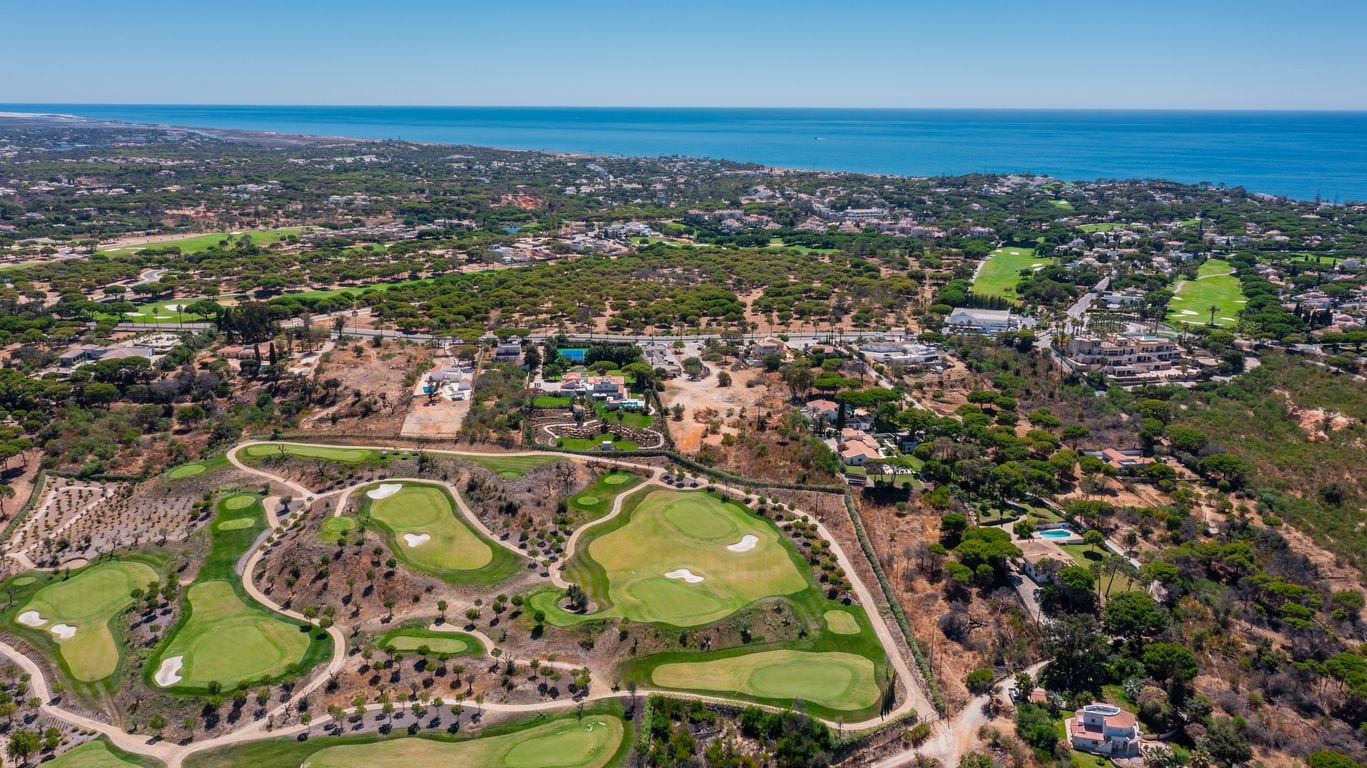
Along this stretch, beaches tend to make you work for them. Steps cut into rock; paths feel manageable on the way down and less so on the return. Around Lagos, the cliffs close in, holding smaller coves in place. Further east, near Quinta do Lago, the coast opens into long, flat beaches where you can walk for miles. Golf courses run along the shoreline, framed by uninterrupted views.
Dinner is rarely complicated. A cataplana arrives still sealed and opened at the table, releasing a rush of steam scented with garlic, white wine and smoked paprika. Inside, fish flakes apart at the lightest touch, clams open, their salt carried into the broth. Potatoes sit at the bottom, plumped and softened, or rice comes alongside, ready to soak up the juices left behind.
Explore our selection of villas in the Algarve.
Things to do in Lisbon, Portugal: Culture & Gastronomy
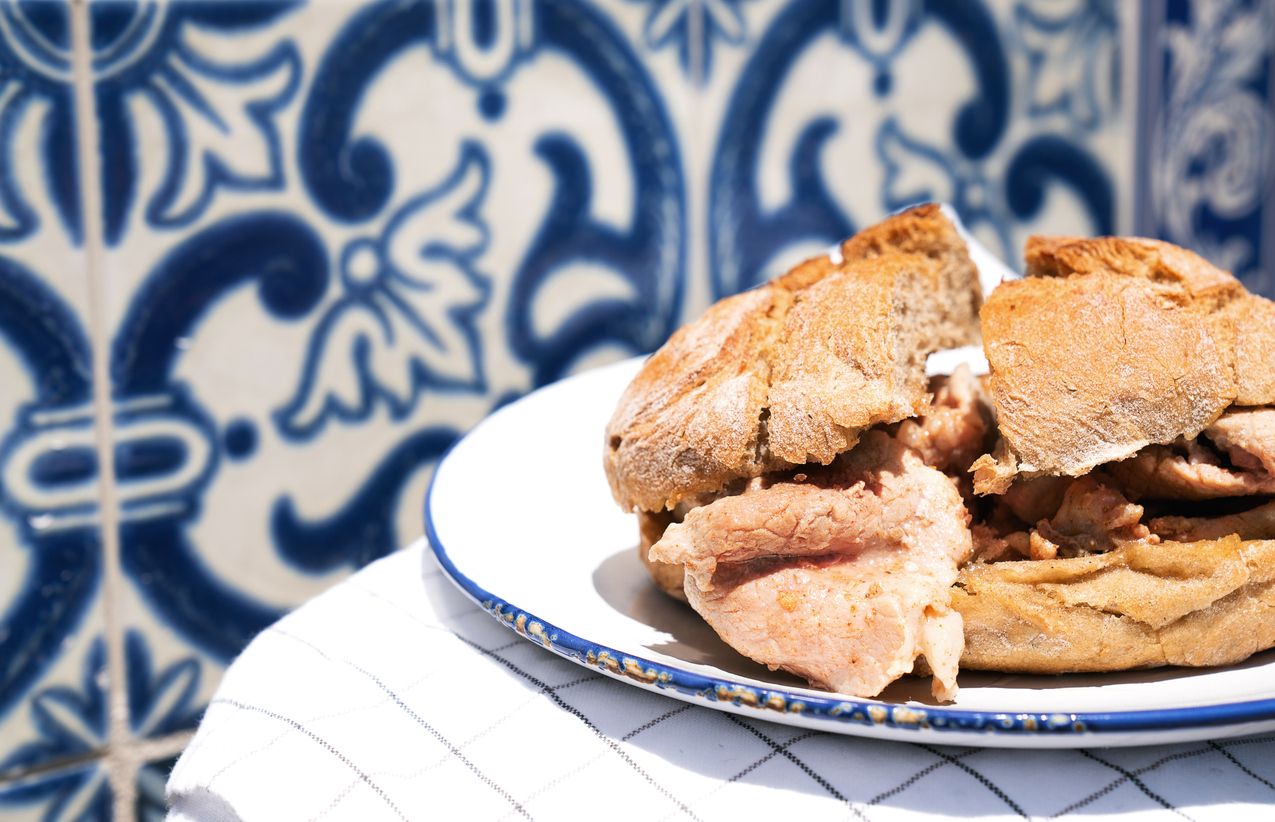
Portugal’s capital has very little interest in being convenient, which is part of its charm. You set out with a rough idea, only to find the city quietly rearrange things. Streets tilt upward, pulling you towards small tile shops where hand-painted azulejos stack in uneven piles. Another narrows and slips away, opening onto a bakery no wider than a corridor, the air warm with sugar and butter. Then you spot a bifana counter, a few tables pressed close together, garlic and pork drifting onto the pavement.
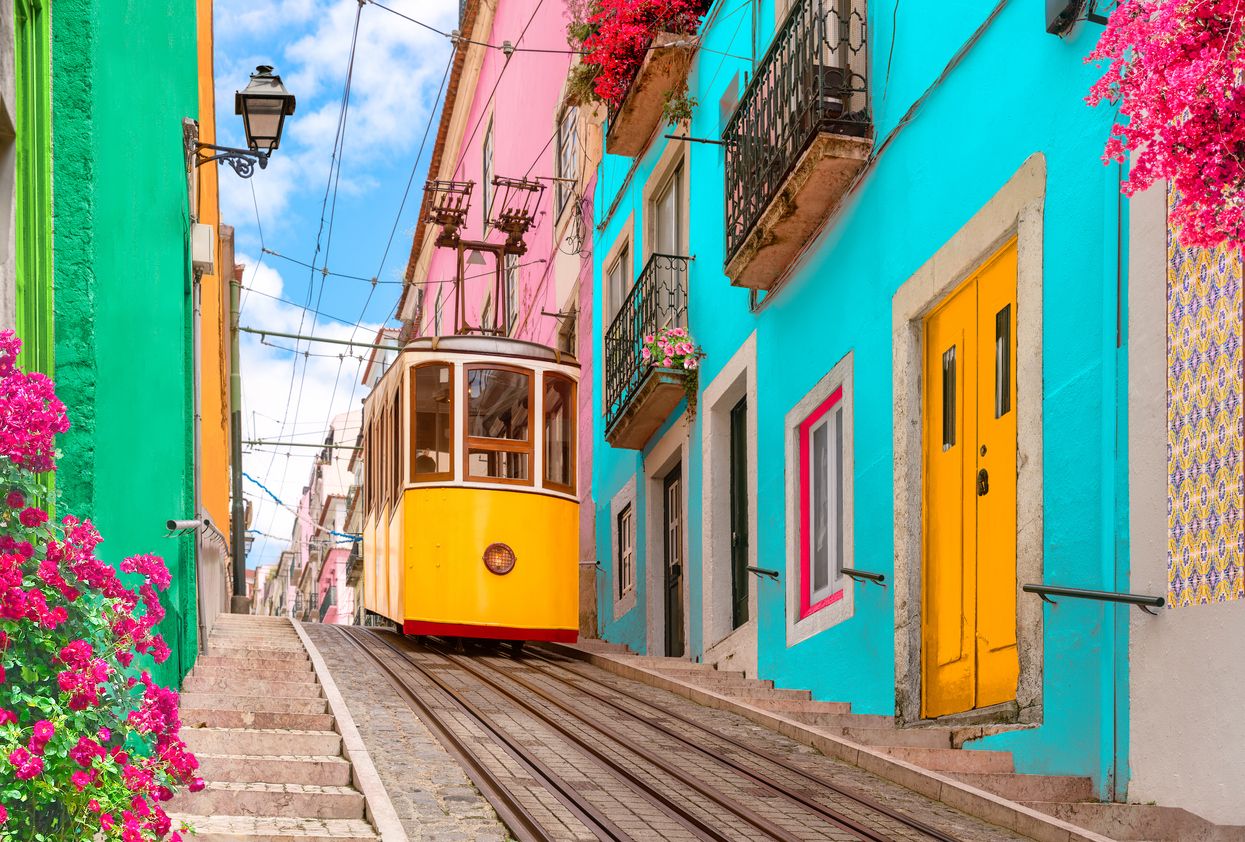
In Alfama, the feeling of being redirected deepens. The Moorish influence is still doing work. Routes twist and double back, but they also narrow deliberately, opening into small courtyards with pockets of cool air and unexpected terraces where light settles differently. It’s a way of building that favours closeness. You notice it in the thickness of walls, the occasional arch or fragment of stonework. Even the tiles carry this inheritance: their repeating patterns grounded in symmetry, subtly shifting from one façade to another.
You follow the streets, passing shops that feel more like living rooms. Ceramics stack beside the door, linen hanging in the light, places to eat appear serendipitously. Plates arrive quickly: a bifana wrapped in paper; clams in garlic and white wine, the broth sharp and saline; rice, loose and glossy.
As you trace the river, Lisbon softens. The descent is easier, the streets less insistent, and before long, the city gives way to the coast. In Cascais, everything opens. You walk along the promenade without needing a reason to turn back, the sound of the water constant, the breeze doing just enough to take the edge off the heat. The city still with you, just quieter now.
Discover our handpicked villas in and around Lisbon.
Things to do in Porto & the Douro Valley:
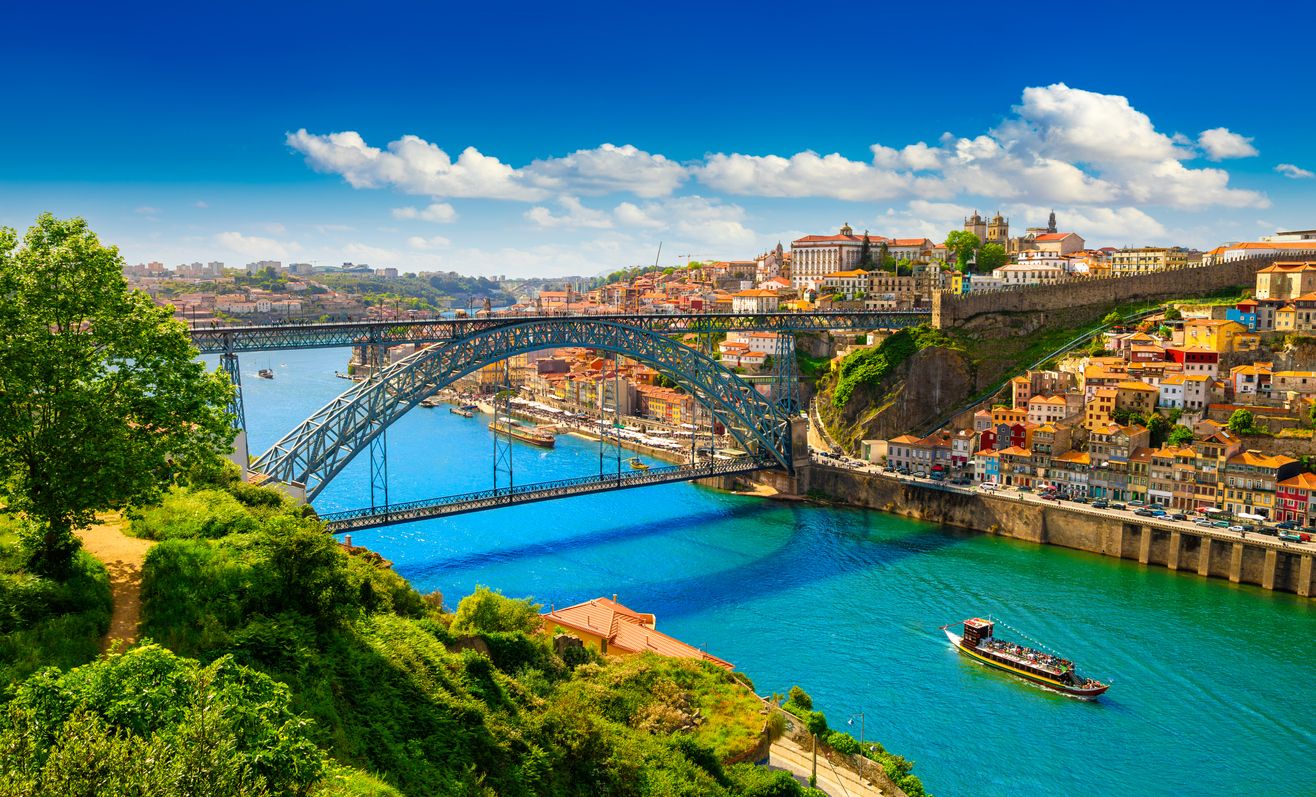
In Porto, the city naturally draws you toward the river. Streets slope downward, buildings are closer together, and before long you find yourself at the Douro.
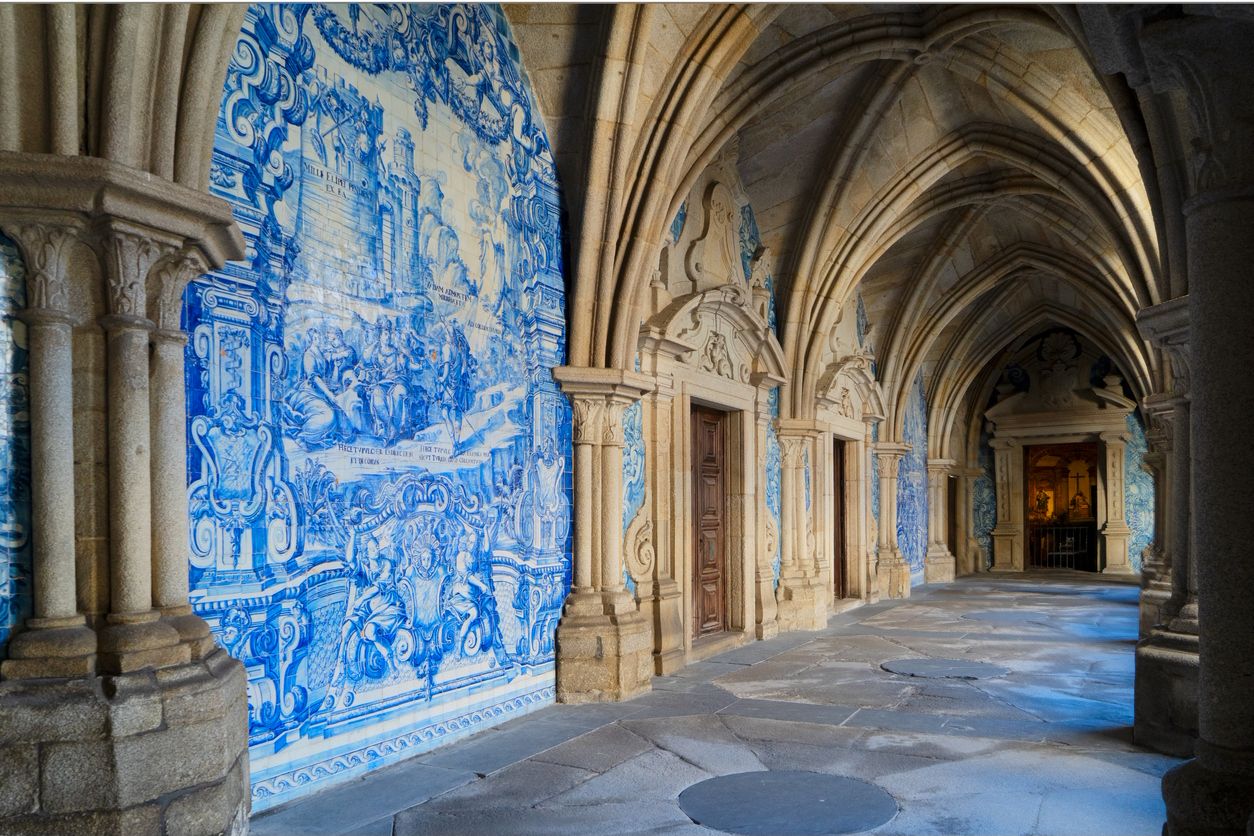
Faded façades, worn tiles, and wrought, slightly weathered, iron balconies produce a sense of age, giving Porto a lived-in quality. Across the river in Vila Nova de Gaia, port cellars line the waterfront, a reminder that the city’s identity is closely tied to the wine that has been shipped from here for centuries.
Following the Douro inland, the landscape changes. The river narrows, hills rise, and vineyards begin to take over, arranged in steep terraces that have been cultivated for generations. This is one of the world’s oldest demarcated wine regions, and the sense of history is built directly into the land.
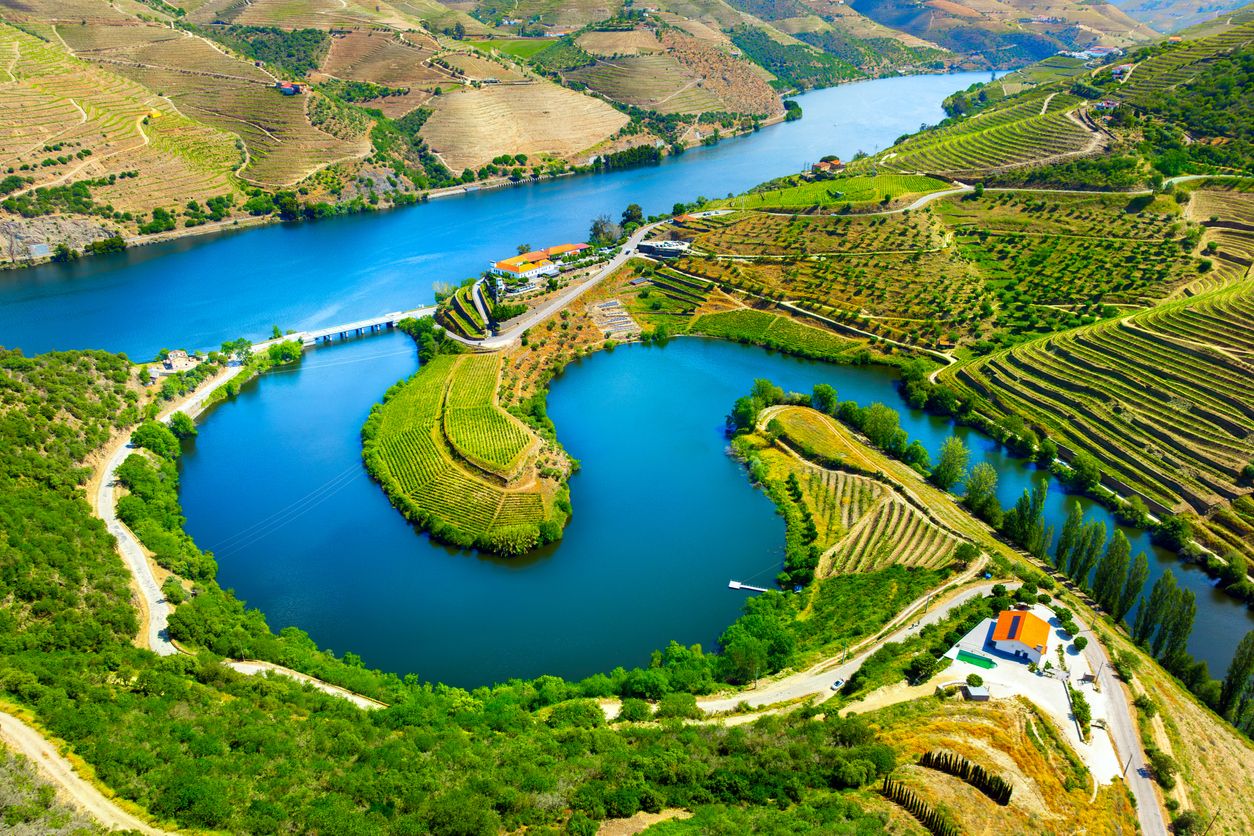
Life slows in the valley. Lunch tends to last longer than planned, often accompanied by local wines. By late afternoon, the light settles across the hills, softening the lines of the landscape and holding the glow well into the evening.
Browse our collection of villas in Porto and the Douro Valley.
Things to do in Madeira, Portugal: Nature & Adventure
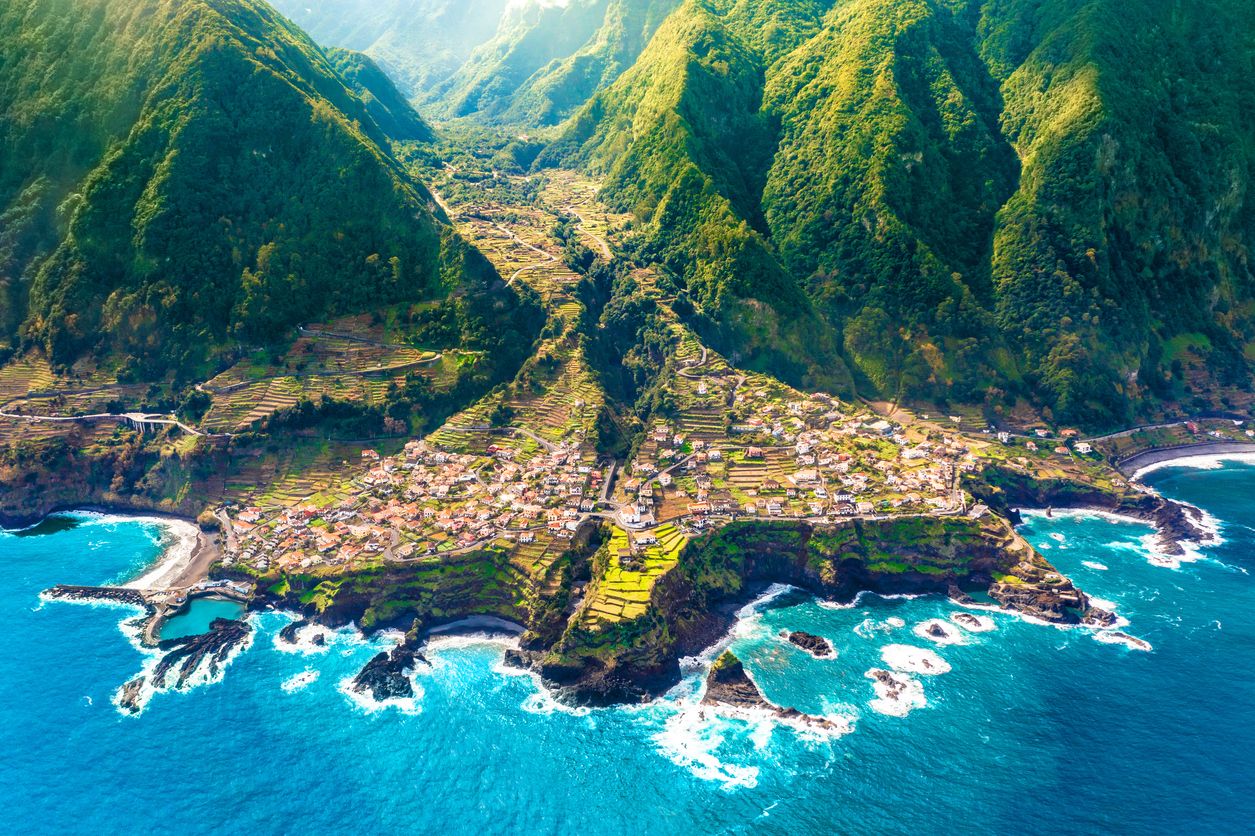
Madeira is often described as the Hawaii of the Atlantic. Not just because of their shared volcanic origins, but in the way the island rises sharply from the ocean, creating dramatic changes in elevation over short distances.
Flat ground rarely lasts for long. Roads climb quickly, linking coastal towns to higher villages where the air is cooler and the views stretch further. The island’s climate allows for an unusual range of plant life: banana plantations, vineyards, and dense laurel forests all exist within close reach.
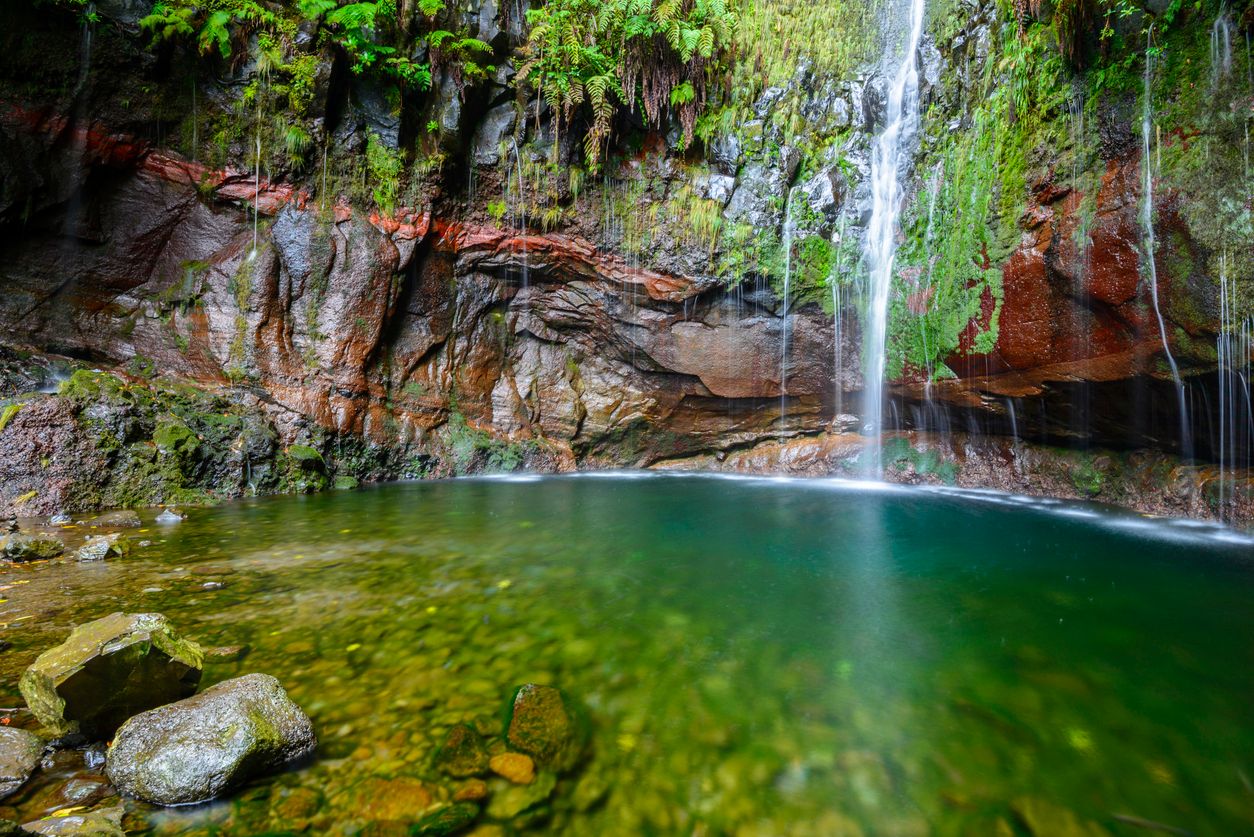
The levadas, a network of irrigation channels dating back centuries, run across the island and double as walking routes. They guide you through different landscapes – shaded forest, open ridgelines, agricultural land – offering a practical way to move through the island.
Along the coast, the volcanic landscape creates natural swimming pools, particularly in places like Porto Moniz, where seawater collects and settles within black rock formations. The contrast between the dark stone and the clear water is striking, especially in sunlight.
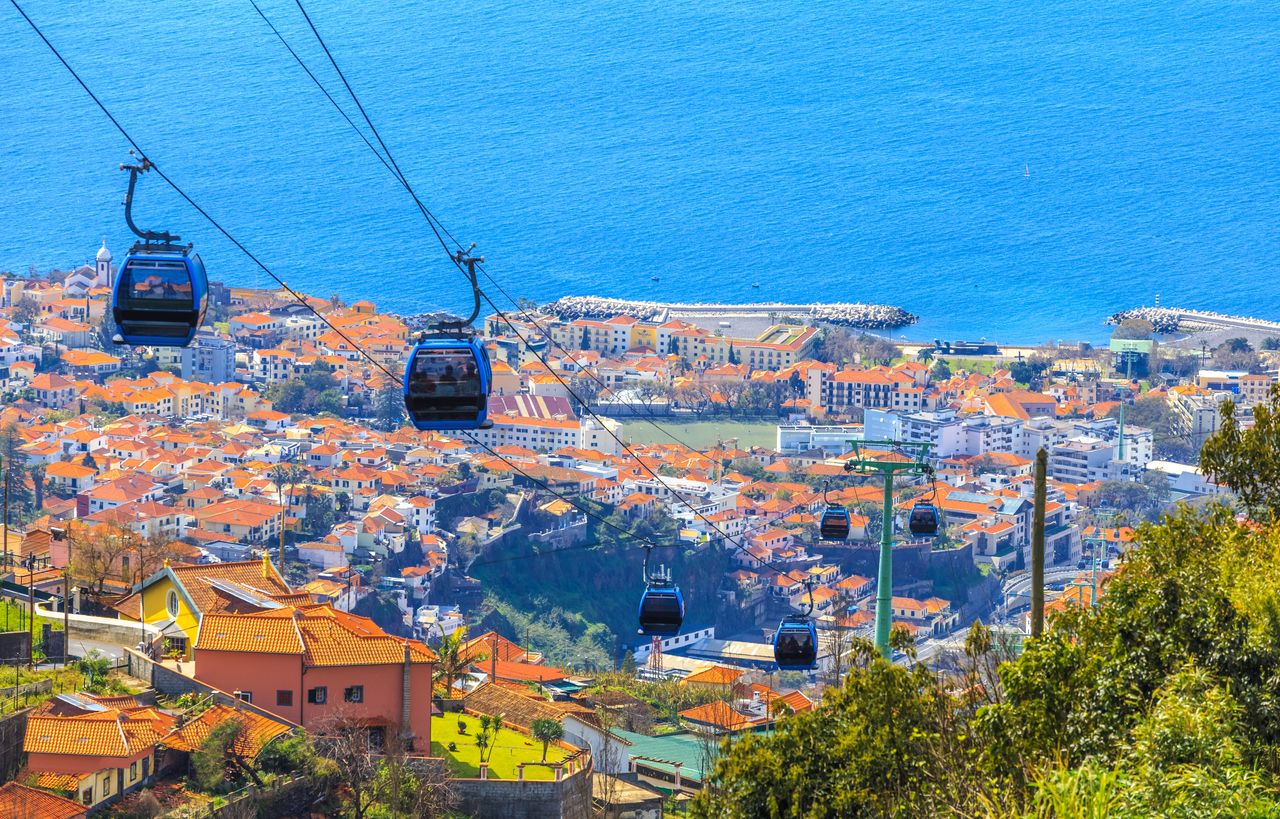
Funchal, the capital, brings together markets, gardens, and restaurants, alongside cable cars that connect the city to the hillside suburb of Monte. Daily life feels active but unhurried, the pace set by locals shopping for produce, gradually-filling cafes, and the port receiving ships that come and go.
Villas sit high above the coastline, taking in sweeping views from the island’s elevated position. From here, the Atlantic feels constant, and the light changes across the water, a soft glimmer in the evening light.
Discover our handpicked villas across Madeira.
Activities by Travel Style
Portugal doesn’t ask much of you; it simply shifts to meet how you want to spend your time. On the Algarve and Lisbon Coast, life centres around the sea, with swimming, walking, and time spent outdoors, often with a round of golf.
Local restaurants, markets, and vineyard estates across Lisbon and Porto tie food and wine closely to place.
Walking and exploring the landscape are a natural part of the experience in Madeira, supported by well-marked routes and varied terrain.
In quieter regions deeper into the Douro, the pace slows considerably, and time is often best spent doing very little, usually with good food and a glass of wine in hand.
From the Algarve’s coastline to Lisbon’s hills, the terraces of the Douro to tropical Madeira, Portugal offers distinct ways of moving through the country. What stays with you is how easily each place settles into your day, and how quickly it begins to feel like somewhere you could return to. Explore our Portugal portfolio and start planning your villa holiday today.