The largest of the Balearic Islands has long worn its paradisiacal reputation with confidence. Along Mallorca’s south coast, there is white sand and calm, turquoise water. In the north, olive terraces and ochre villages climb towards the ridges of the Tramuntana, the mountain range that runs along the island’s north-west coast. Between them, pine-covered hillsides hide old fincas, and the island’s capital of Palma has limestone palaces, Gothic architecture, and plenty of shops capable of undoing even the best plans.
That abundance is Mallorca’s great appeal, but also the reason seven days can feel somewhat difficult to organise. There’s always another beach, another village, another table worth booking – not to mention a villa making a persuasive case for doing very little at all.
This guide offers one way through it: seven days of beaches, villages and restaurants, as well as beautiful villas nearby.
Day 1: Palma’s gothic architecture, art, and shopping
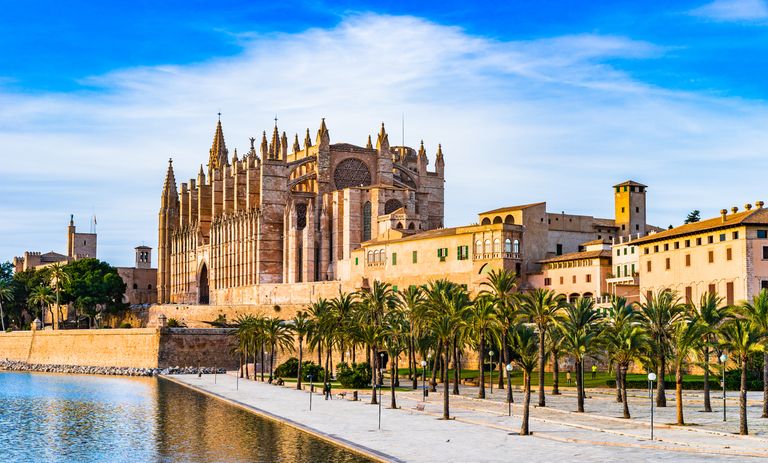
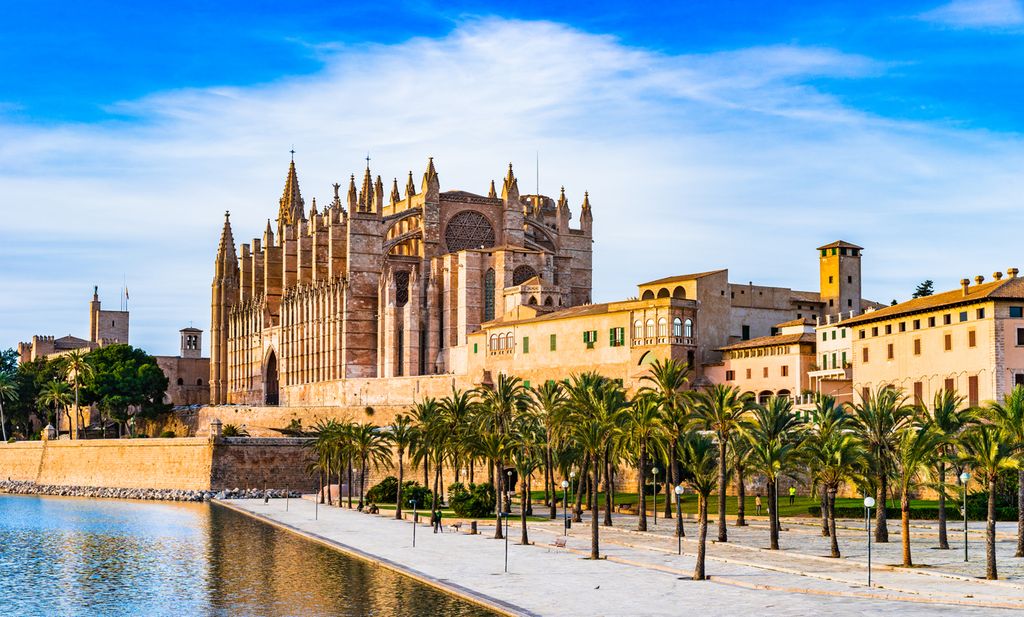
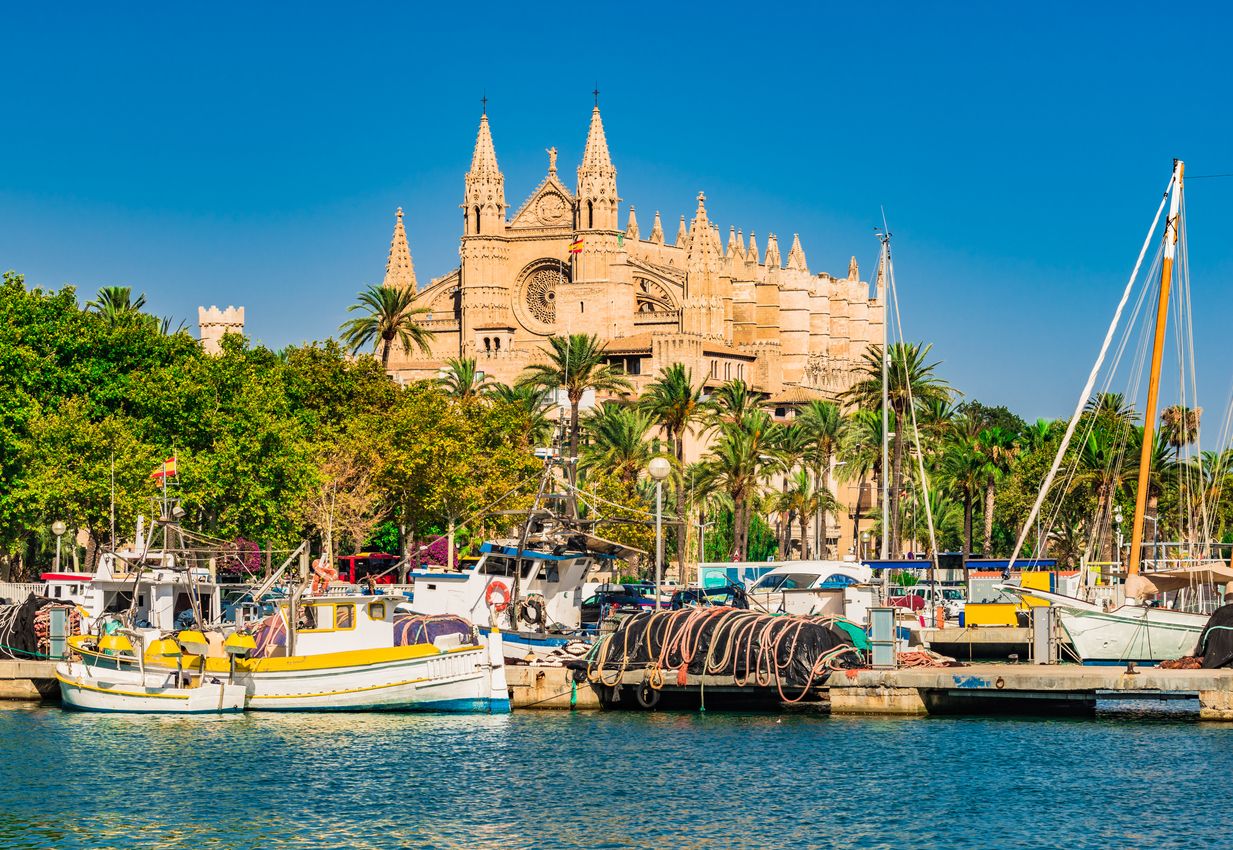
Cathedral La Seu and the port in Palma de Mallorca
La Seu and the old town
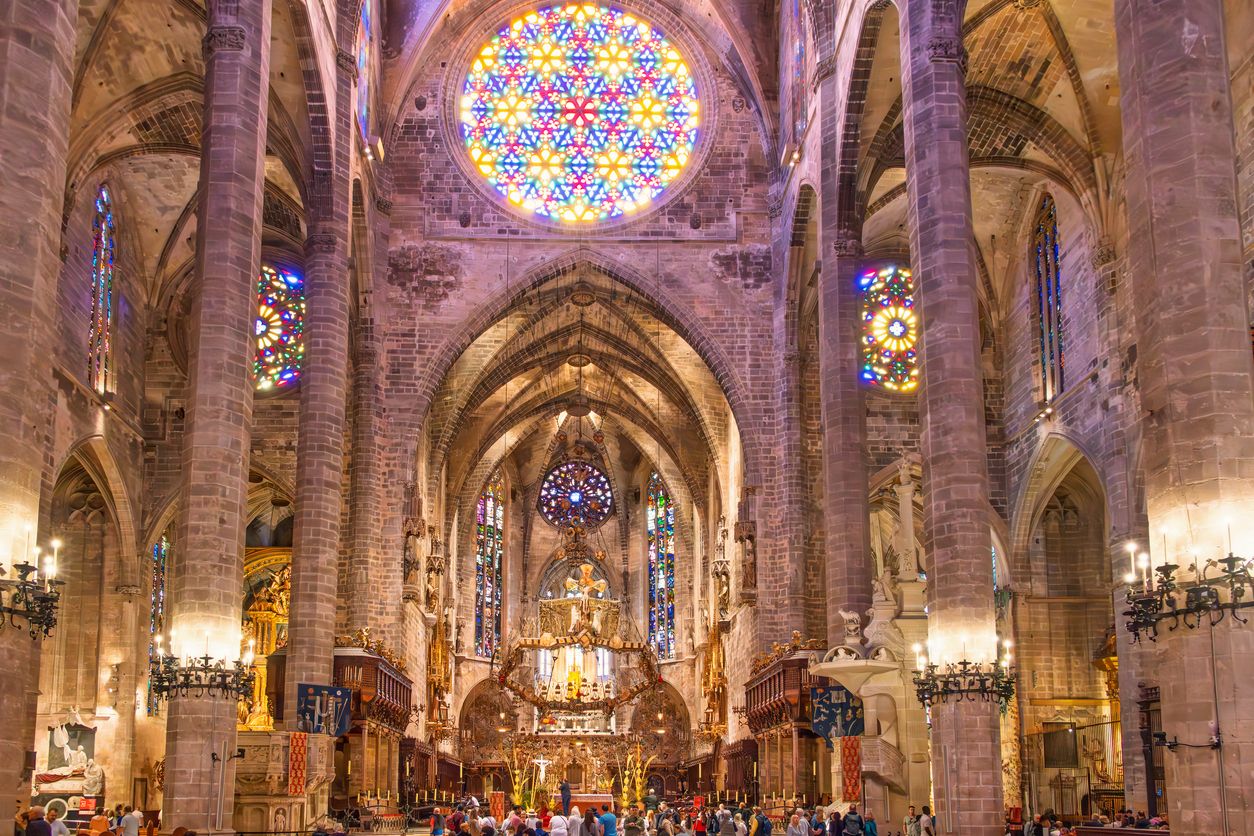
Our itinerary begins in Palma, the island’s capital, where you are warmly received by swaying palms and pale stone. La Seu, the city’s vast Gothic cathedral, is a behemoth of carved limestone and spires, and is worth giving the time it requires. Look for Gaudí’s canopy hanging above the altar and Miquel Barceló’s chapel, where clay, fish, and bread have been worked into a very Mediterranean style of devotion.
Interior of Palma’s Cathedral La Seu
Outside, Palma is best explored slowly – especially on your first day. Wander the streets of the old town, take in its shaded lanes and iron balconies, maybe stop in one of the old courtyards.
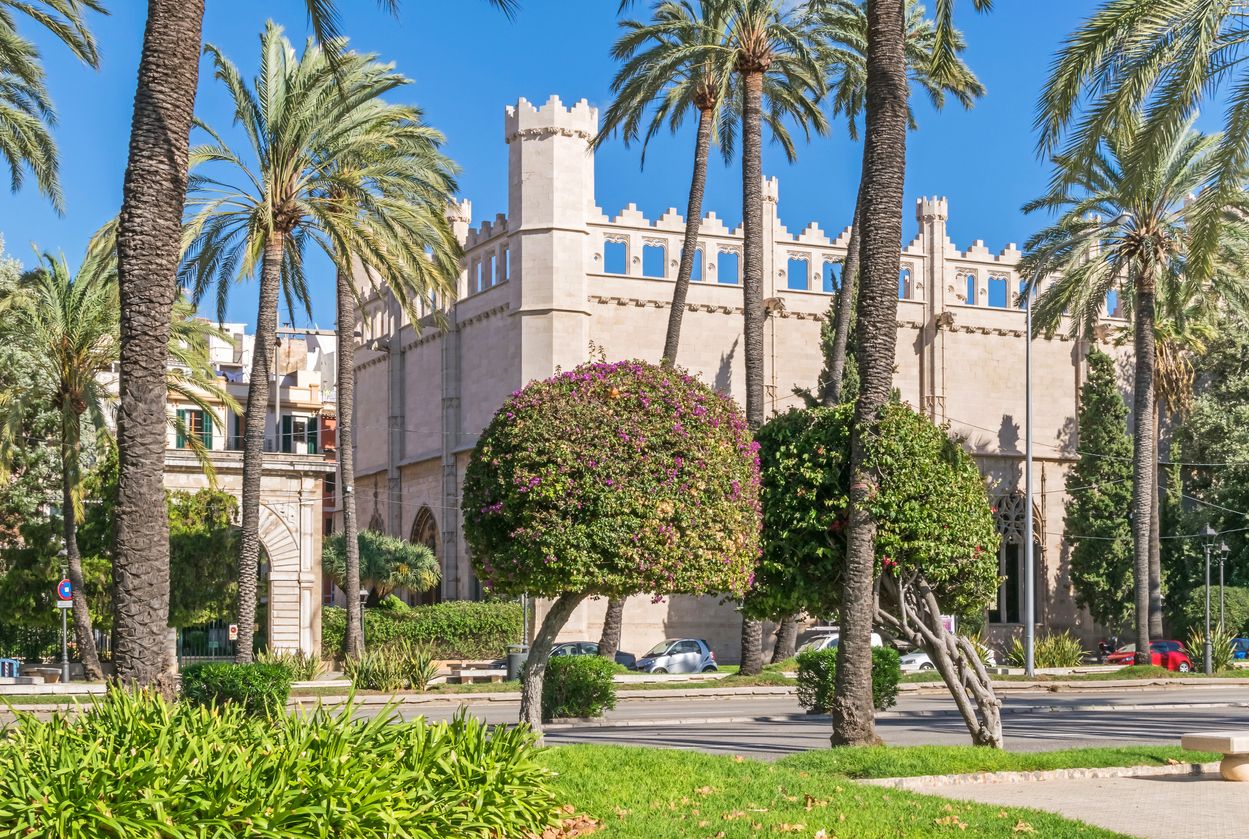
Then head to La Llotja, a 15th-century merchants’ exchange on Palma’s waterfront. Built when Palma was a prosperous Mediterranean trading port, it is one of the finest examples of Gothic architecture on the island.
The historic Gothic building of La Llotja de Palma
Arab Baths and Palma’s art museums
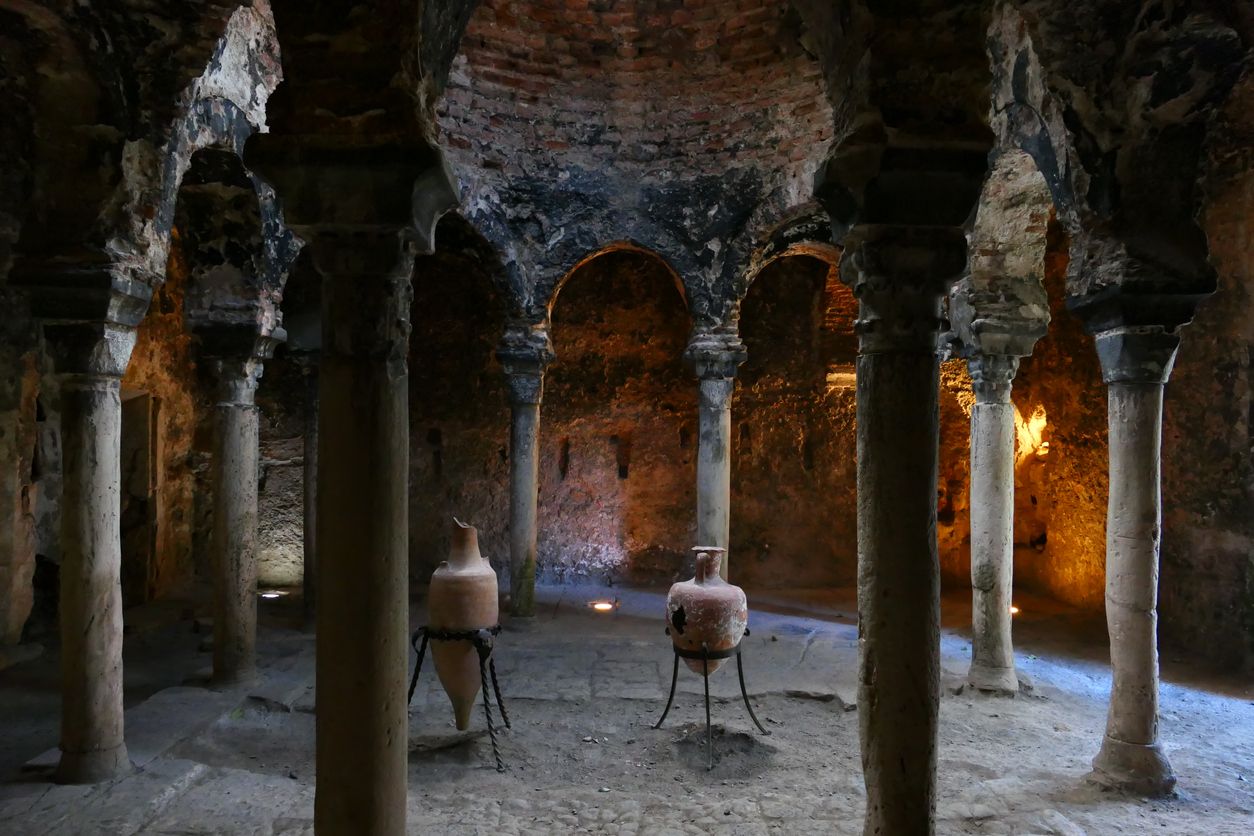
The Arab Baths preserve part of an 11th-century Islamic bathhouse from Palma’s Moorish period. They consist of little more than a domed chamber and a small garden, and take perhaps half an hour to visit, though their quiet is welcome after exploring the old town.
Arab Baths, Palma de Mallorca
Es Baluard pairs contemporary art with terraces above the rooftops and ramparts. For something more intimate, the Fundació Miró Mallorca is worth the short journey out of town; Miró worked here for nearly thirty years, and his studios are still scattered with brushes and paint marks.
Shopping and eating in Palma
Carrer de Sant Feliu and the surrounding streets are full of linen, ceramics, perfume and glassware, while Santa Catalina has market stalls and vintage rails. Be warned, the expensive perfumes and large ceramic lamps have a way of making restraint feel provincial, even with limited suitcase space.
For something to eat, Bar Espanya has the right kind of bustle; La Rosa Vermutería is good for vermouth, gildas and croquettes; Bar Día keeps things old-school and unfussy. At DINS Santi Taura, dinner becomes a lesson in Mallorcan culinary history, with a modern tasting menu built around recipes recorded on the island.
Where to stay near Palma: Cas Catala
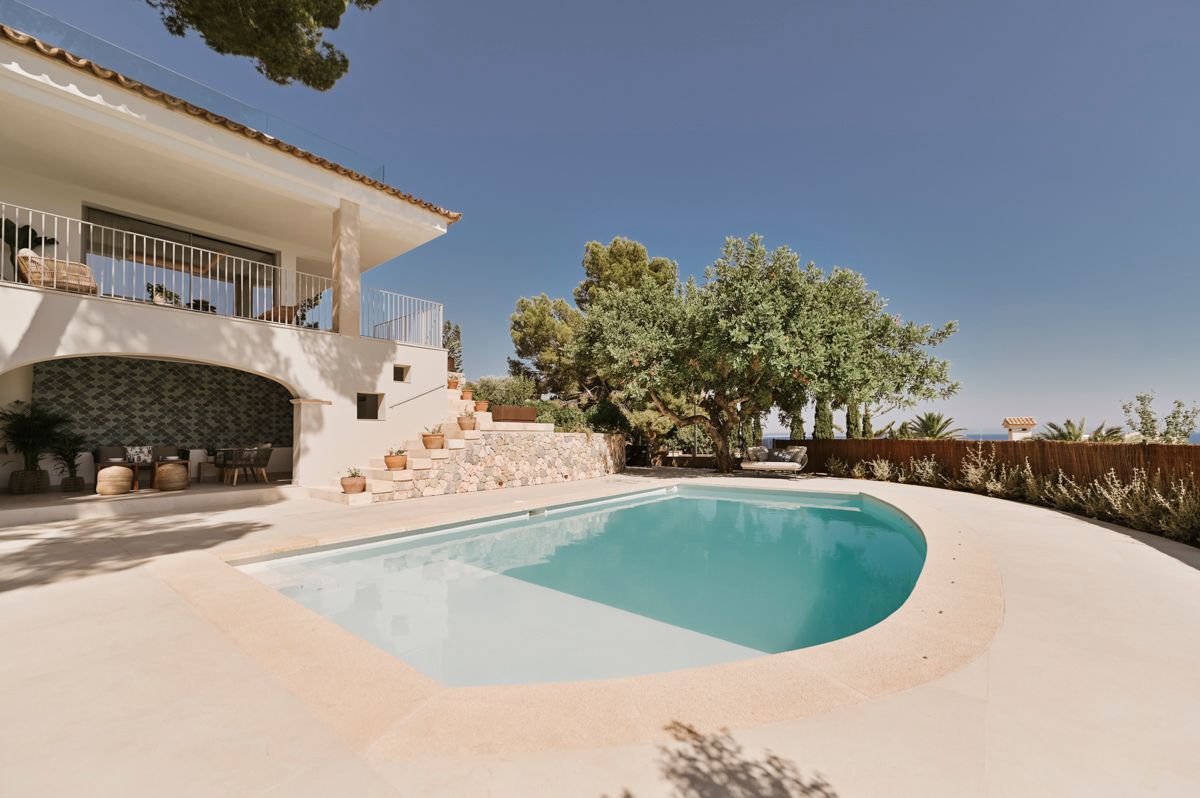
For those who want to stay on the Palma side of the island, Cas Catala is a glamorous base close to the capital and the coast. Expect modern interiors, a generous pool, sunlit terraces and plenty of space for long evenings outside, with Palma’s galleries, shops and restaurants all within easy reach.
Day 2: Deià’s literary history and mountain glamour
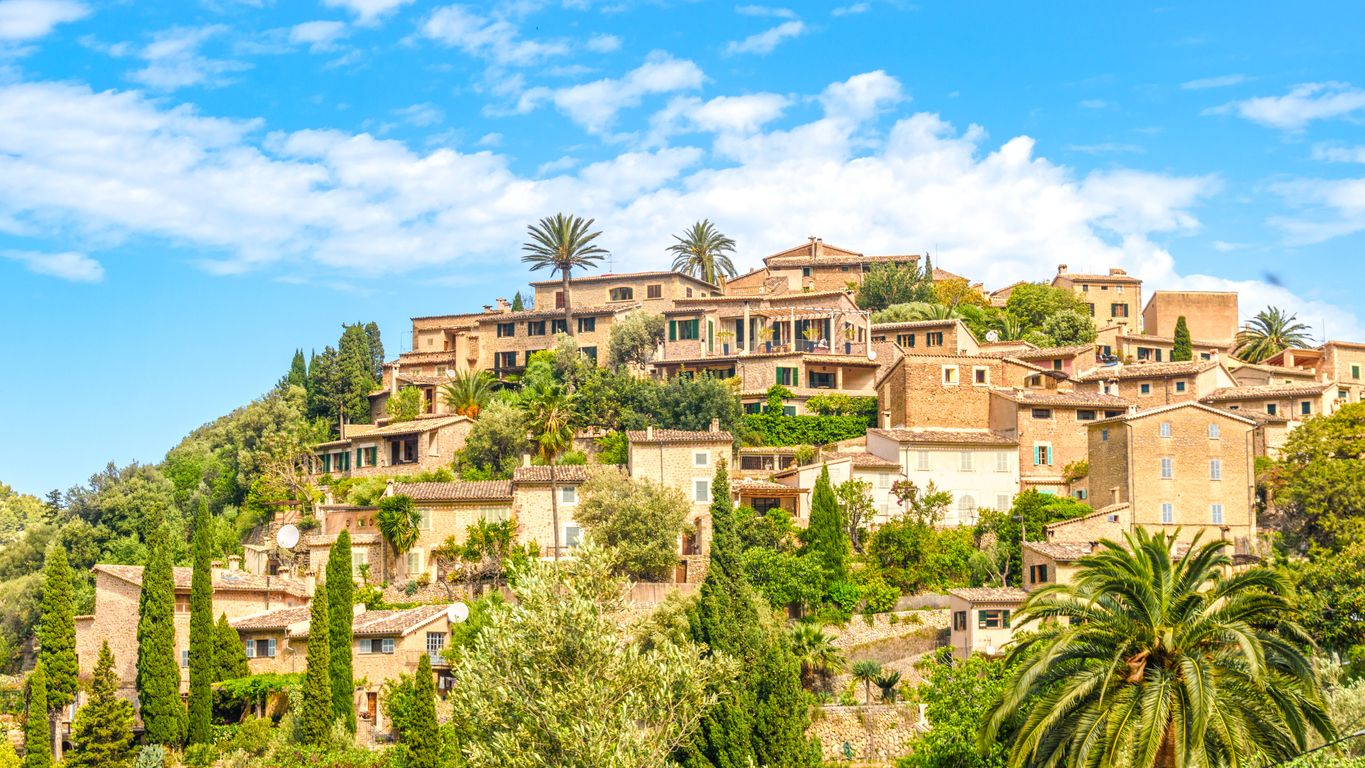
The historic village of Deia in the north of Mallorca
Deià village and Robert Graves’ house
Deià sits in the Tramuntana in stone and terracotta, with cypresses standing dark against the glare and the sea flashing between the terraces like gossip. In summer, there is linen everywhere, on bodies and backs of chairs. The air smells of hot stone, jasmine, and suncream.
Arrive early, walk the lanes, look around the galleries; visit Robert Graves’ house if you want to give the village’s glamour some ballast. This is where the poet and novelist lived for much of his life. His study, garden and simply furnished rooms give some context to Deià’s literary reputation, as well as a glimpse of the quieter village that existed before it became one of Mallorca’s most sought-after addresses.
Swim at Cala Deià
Cala Deià
From the village, make your way down to Cala Deià for a swim. The cove has almost no sand – it is all rock and clear water; bodies arranged over whatever flat surface they can find. Swim out between the cliffs or bring a snorkel for the rocky edges of the bay, then dry off over lunch.
Eating in Deià
Just above the water of Cala Deià, Ca’s Patró March restaurant has spent years grilling fish and pouring cold white wine at tables close enough to the edge to watch swimmers crossing the cove below.
For dinner, El Olivo and Restaurante Miró at La Residencia bring a little more glamour, with terraces overlooking the village and mountains. There is just as much pleasure, however, in staying closer to Deià’s smaller restaurants and tapas bars, particularly once the day-trippers have gone.
Where to stay in Deià: Cal Abat
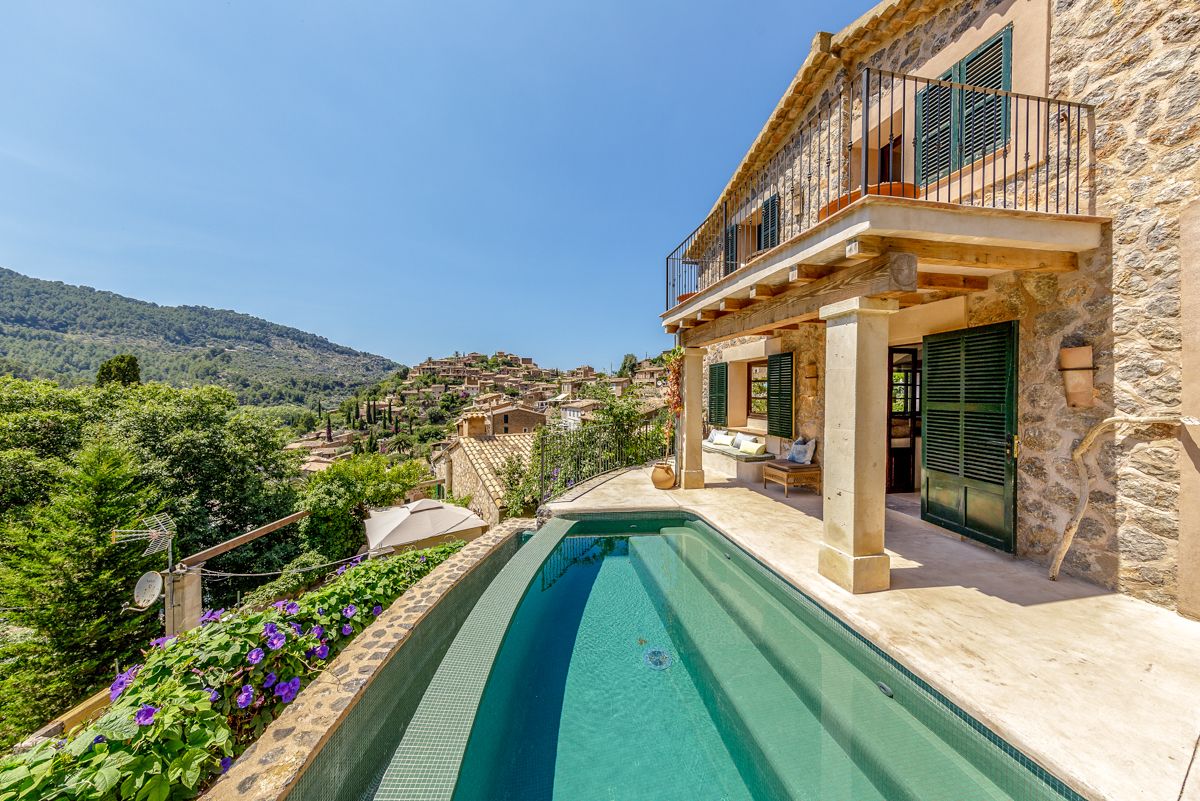
Built in pale stone against the Tramuntana mountains, Cal Abat feels unmistakably Mallorcan from the outside, while inside the mood is calm and contemporary. The living room sets the tone with built-in sofas, beamed ceilings, white walls, a working fireplace and, rather wonderfully, a grand piano waiting in the corner. Outside, the infinity pool takes over, drawing the eye back to the mountains and the village below.
Day 3: Sóller’s historic tram and the orange valley
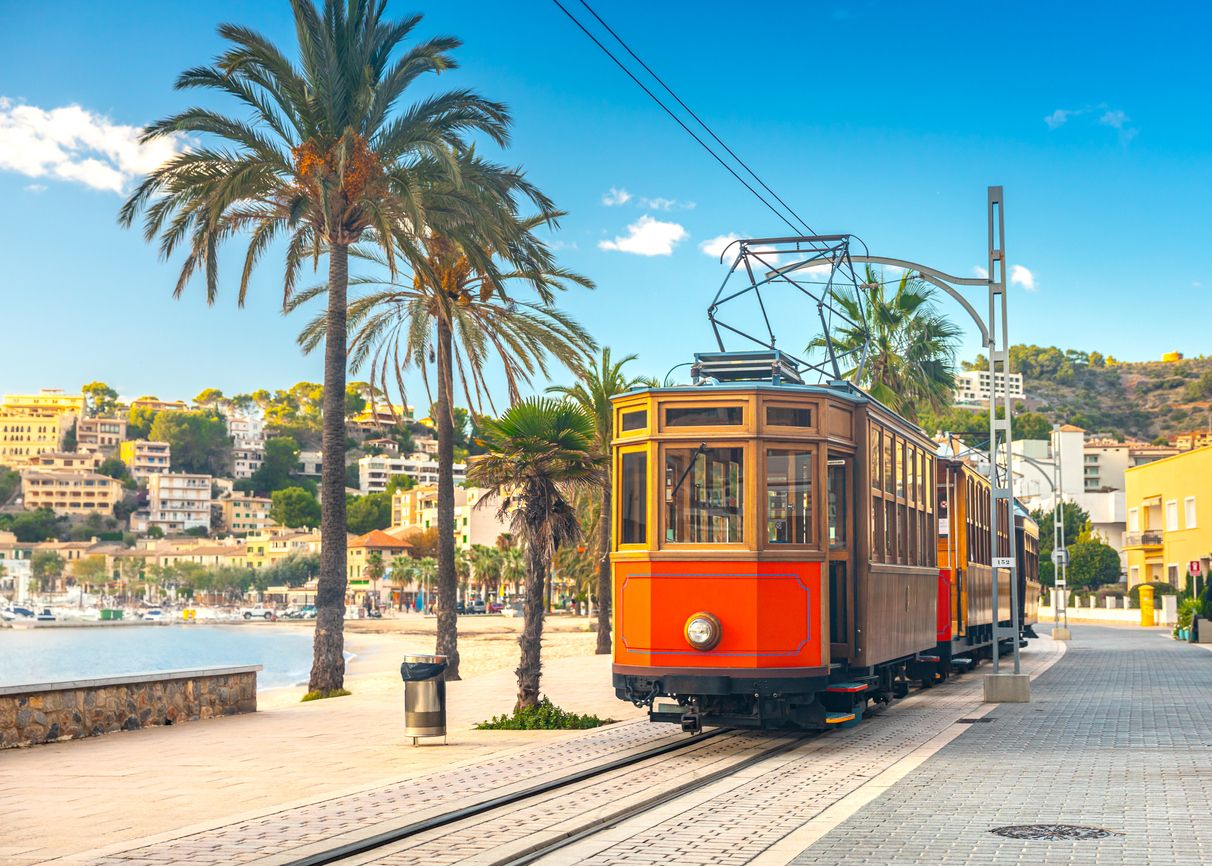
The famous orange tram runs from Soller to Port de Soller
Sóller and its orange valley
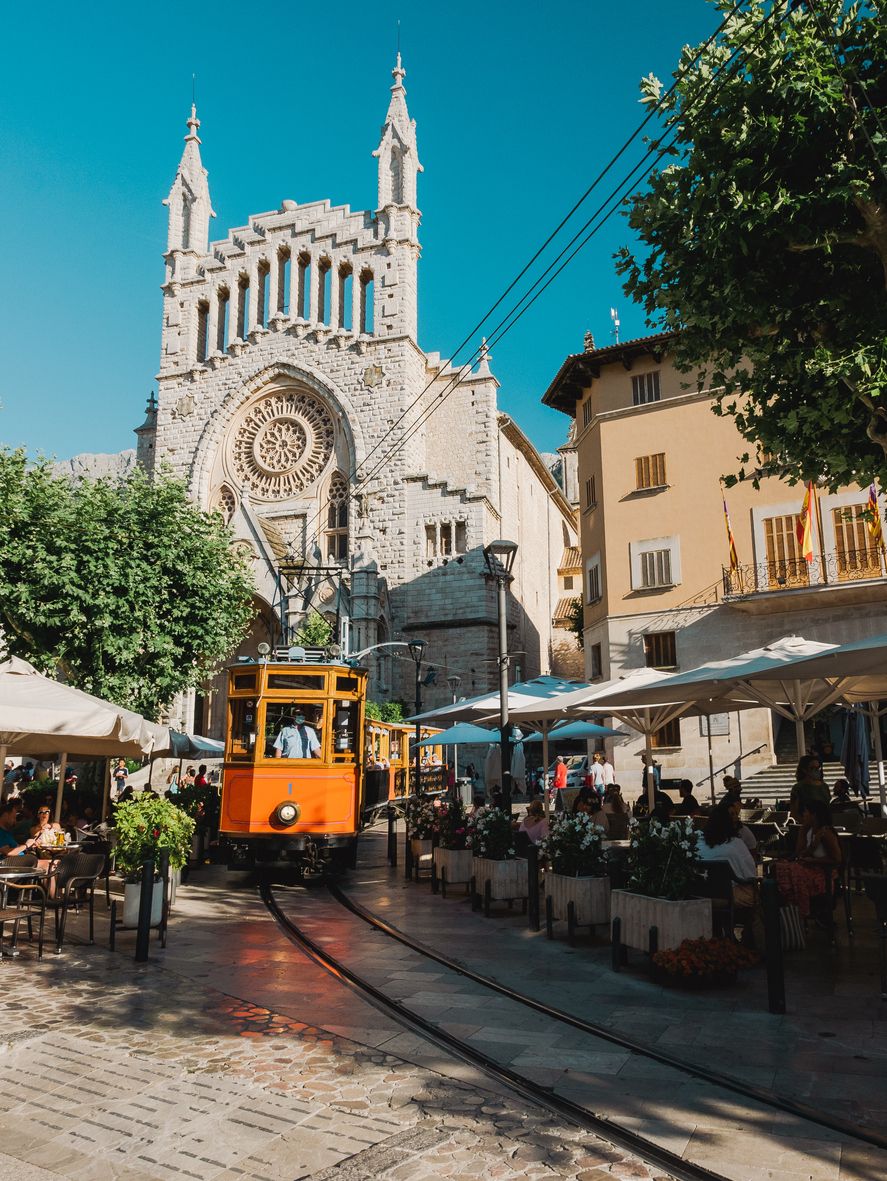
The road into Sóller drops through a country that seems to have been squeezed for juice. Orange trees crowd the valley floor, their leaves dark and waxy. In town, the old tram noses through the square, interrupting lunch tables of elderly men who seem to have occupied the same patch of shade for decades.
Begin in Plaça de sa Constitució, Sóller’s main square, where the Church of Sant Bartomeu – redesigned by Joan Rubió, a pupil of Gaudí – is particularly striking with its dark façade against the soft ochre buildings.
Sant Bartomeu de Sóller
From there, wander the surrounding streets or visit the Jardí Botànic de Sóller, which brings together plants native to Mallorca and the other Balearic Islands.
For a wider view of the valley, continue to Fornalutx. The stone village sits among citrus groves and steep mountain terraces and is close enough to Sóller for a short detour.
Take the tram to Port de Sóller
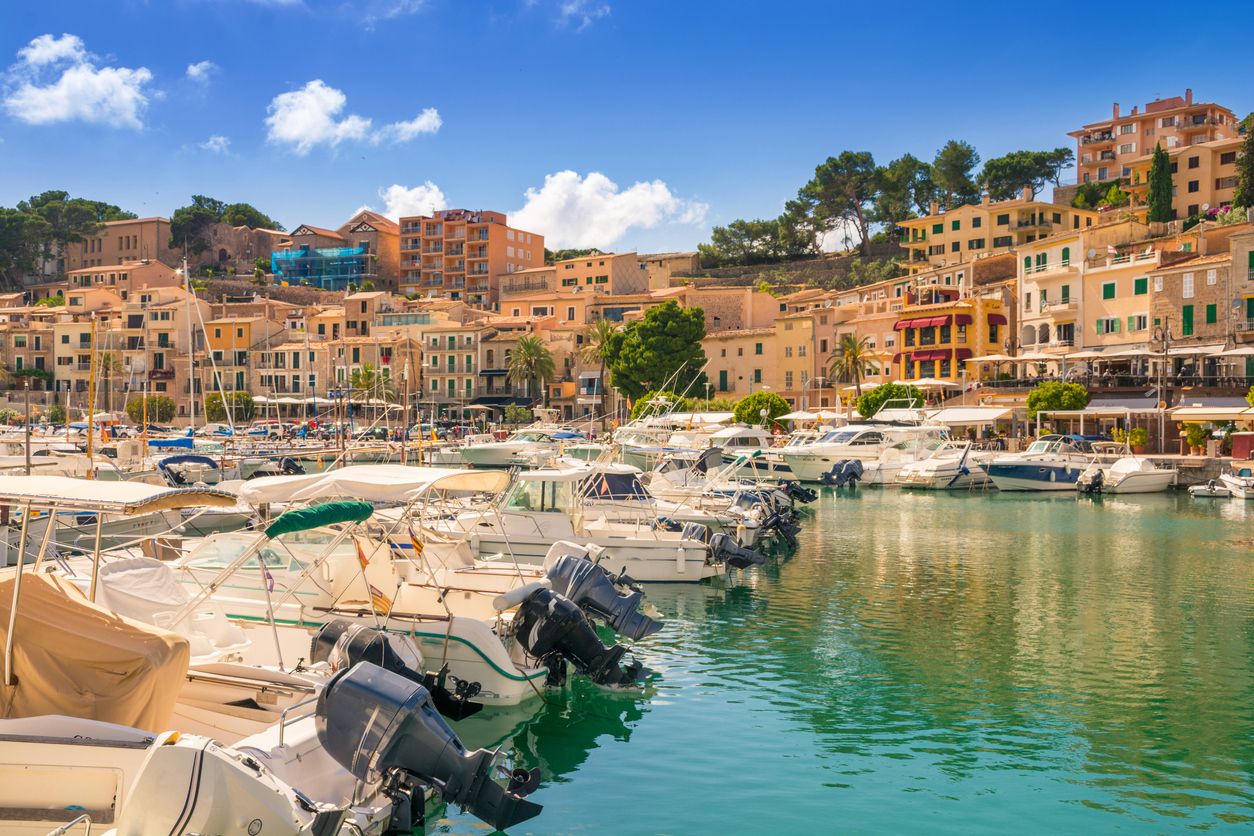
Port deSóller
From the square, take the old wooden tram down to Port de Sóller. It passes through the valley, past gardens and citrus groves, before the mountains fall away and the harbour comes into view.
At the southern end of the bay, Platja d’en Repic is a soft, sandy beach that curves around calm water. It is an easy place for a swim before lunch, or you can stay for the afternoon when the heat calls for little more than a sea breeze and another dip.
Eat in Sóller or by the port
For lunch in Sóller, Ca’n Boqueta serves Mallorcan and Mediterranean cooking in a traditional town house, with a shaded courtyard looking towards the Tramuntana.
At the far end of Platja d’en Repic, Patiki Beach is the place for a more relaxed meal. Tables sit beneath a bamboo canopy a few steps from the sand, with the curve of the bay in front and the mountains behind. The menu centres on local produce, sharing plates and fish cooked over charcoal.
Where to stay near Sóller: Villa Yassa
This Sóller finca brings a softer kind of luxury to the Tramuntana, where stone walls, mountain views and citrus trees do most of the convincing. Traditional from the outside and carefully reworked within, Villa Yassa sits in a landscaped Mediterranean garden scented with lavender, jasmine and rosemary, with terraces made for slow breakfasts, shaded reading and the occasional smug glance at the mountains.
Day 4: The Calvari Steps and Pollença
Pollença’s old town
Explore Pollença old town
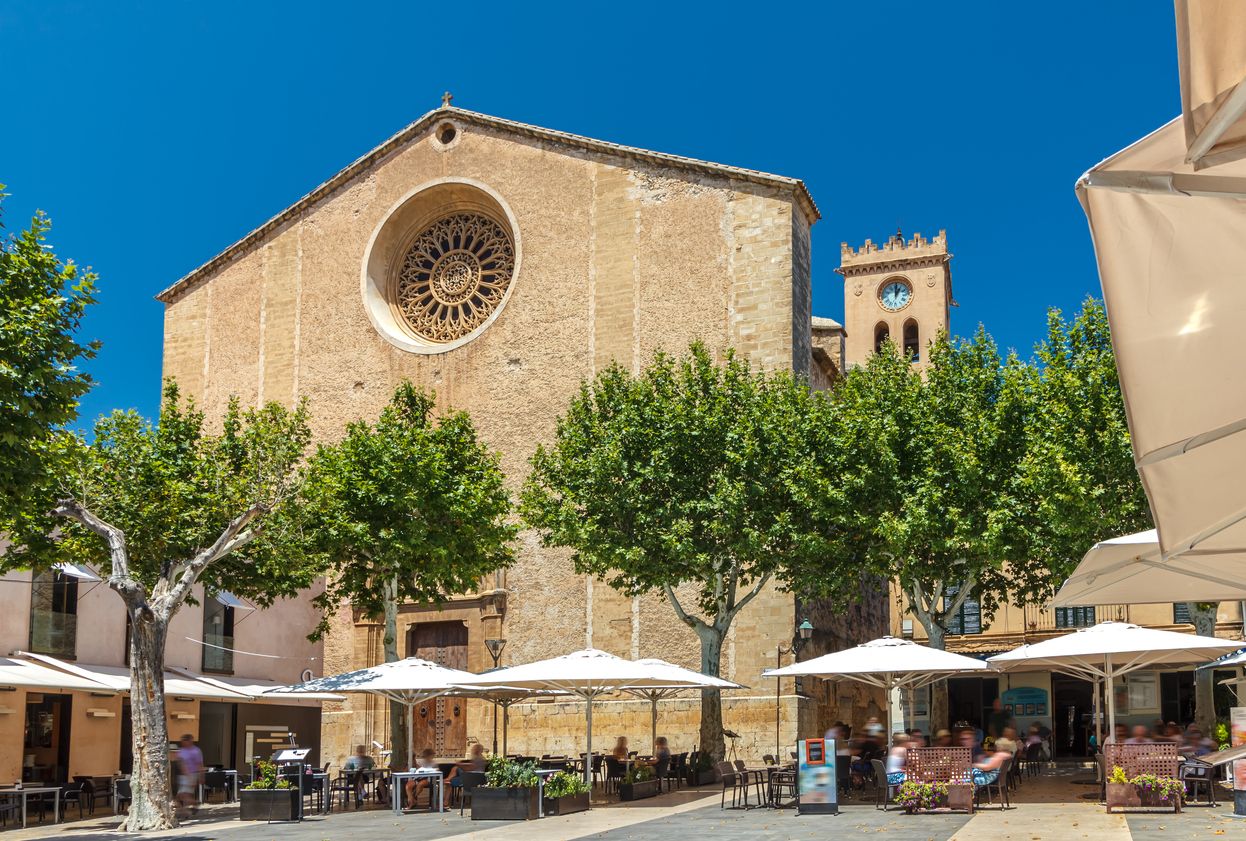
Pollença’s old town centres on Plaça Major, its main square, where café tables spread beneath the Church of Santa Maria dels Angels and narrow stone streets lead off towards galleries and small shops. On Sunday mornings, around 300 market stalls fill the square and neighbouring streets with fruit, vegetables, cheese, flowers, clothes and Mallorcan crafts.
The market square Placa Major and the Church of Santa Maria dels Angels
The town’s artistic reputation began in the early 20th century, when the Pollença School of Painting was established, drawing inspiration from the Tramuntana and everyday life on the island.
Visit the town’s contemporary galleries, then continue to Museu Dionís Bennàssar, the former home of local artist Dionís Bennàssar. Its rooms are devoted to the landscapes, seascapes and village scenes that made Pollença his lifelong subject.
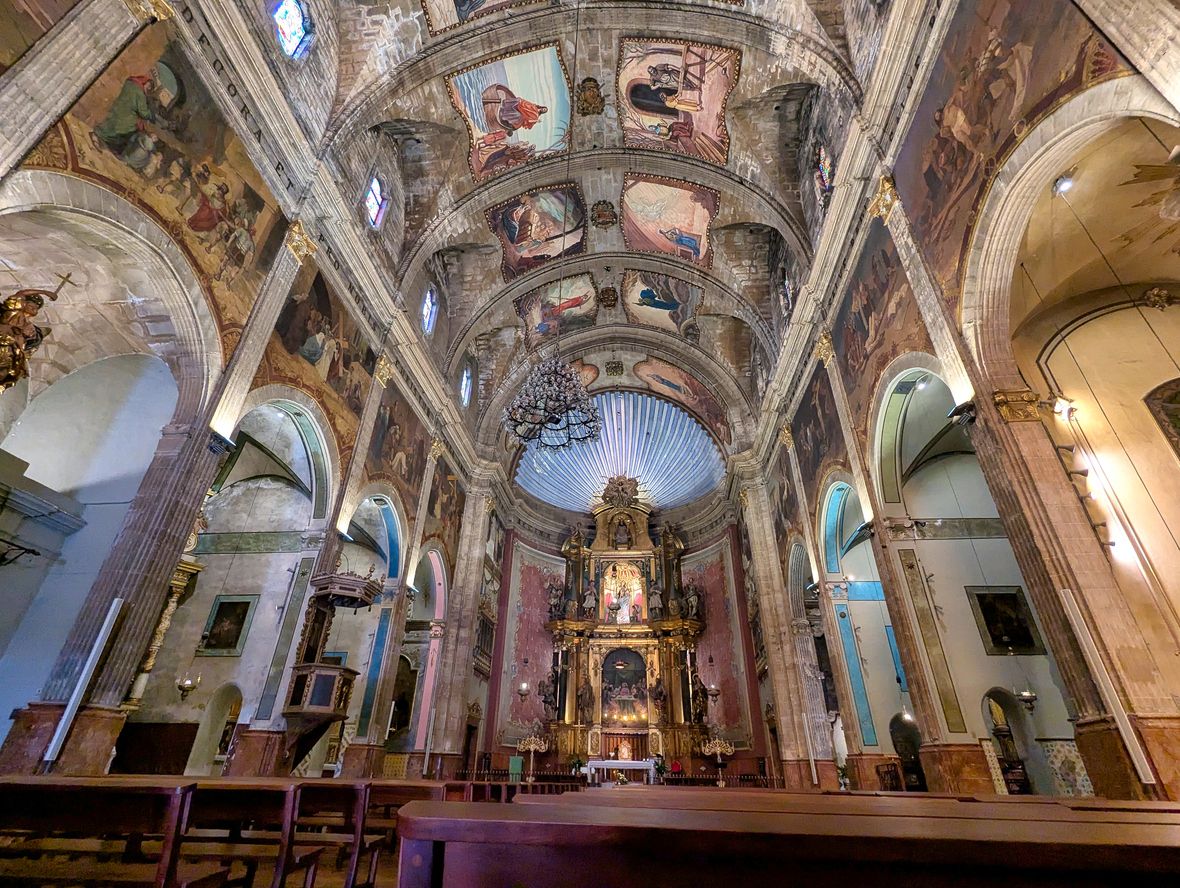
Inside Church of Santa Maria dels Angels, Pollenca, Mallorca
Climb the Calvari Steps
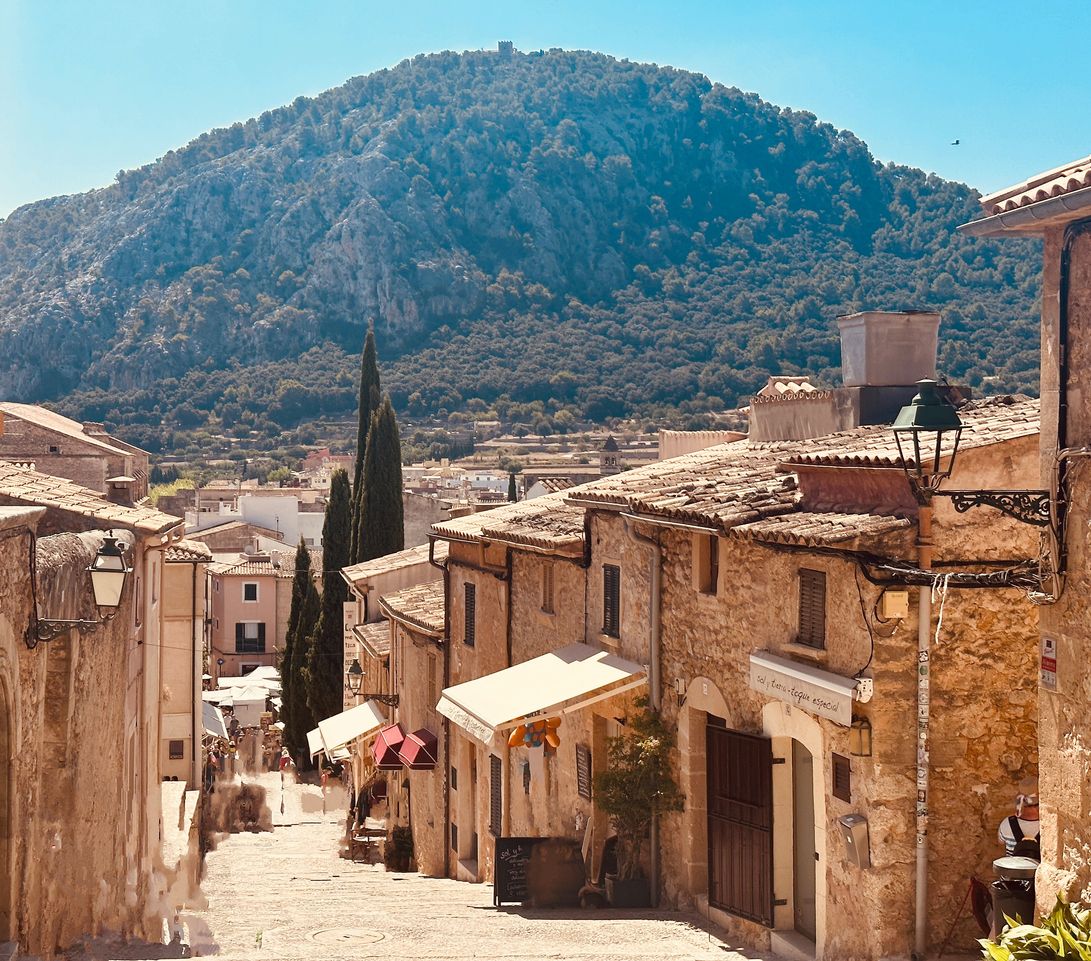
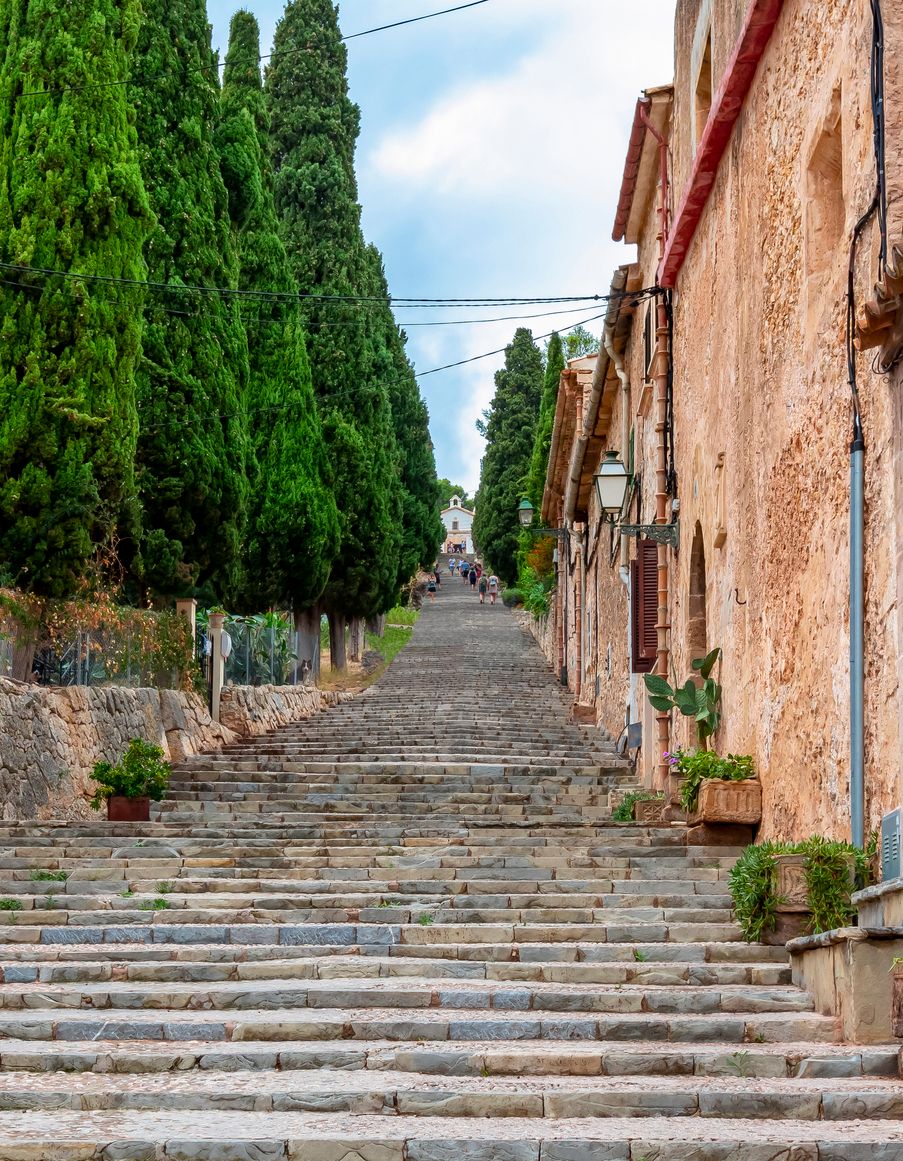
Calvari Stairs in Pollença, Mallorca
The Calvari Steps rise from Pollença’s old town in a pale, punishing line. Cypress trees and 14 tall stone crosses flank all 365 steps, forming a Via Crucis that recalls Christ’s journey to Calvary. On Good Friday, the town stages the solemn Davallament, carrying a figure of Christ down the staircase by torchlight in one of Mallorca’s most important Easter traditions.
At the top, a small chapel occupies the hill. As you climb, the rooftops drop away and the Tramuntana begins to appear beyond them. Go early, before the stone absorbs the afternoon heat, and pause on the way down to look across the town.
Visit the museum or walk to Puig de Maria
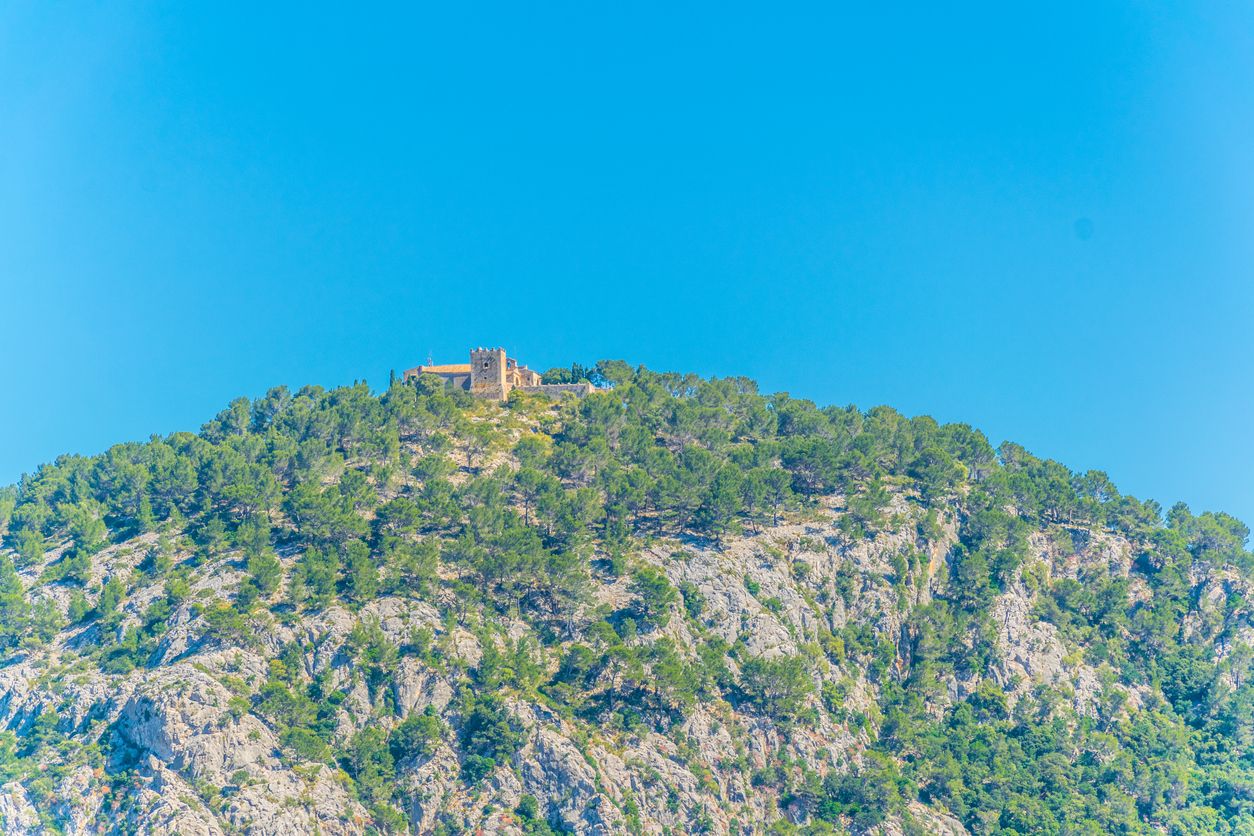
Puig de Maria
The Museu de Pollença occupies a former Dominican convent and traces the town’s long relationship with artists. Its collection makes a useful afternoon stop, particularly when the heat makes another climb feel less appealing.
For a wider view, take the path up Puig de Maria instead. Pines and scrub line the steep route to the hilltop monastery, where the plain stretches towards the bays of Pollença and Alcúdia. The view explains the town’s position better than any map: the mountains behind, farmland below, the sea held at a distance.
Eating in Pollença
Clivia serves Mediterranean cooking in a leafy courtyard, while La Fonda keeps the focus on Mallorcan dishes in the centre of town. At Celler El Molí, an old mill provides the setting for more traditional island cooking.
Where to stay: Casa Calvari
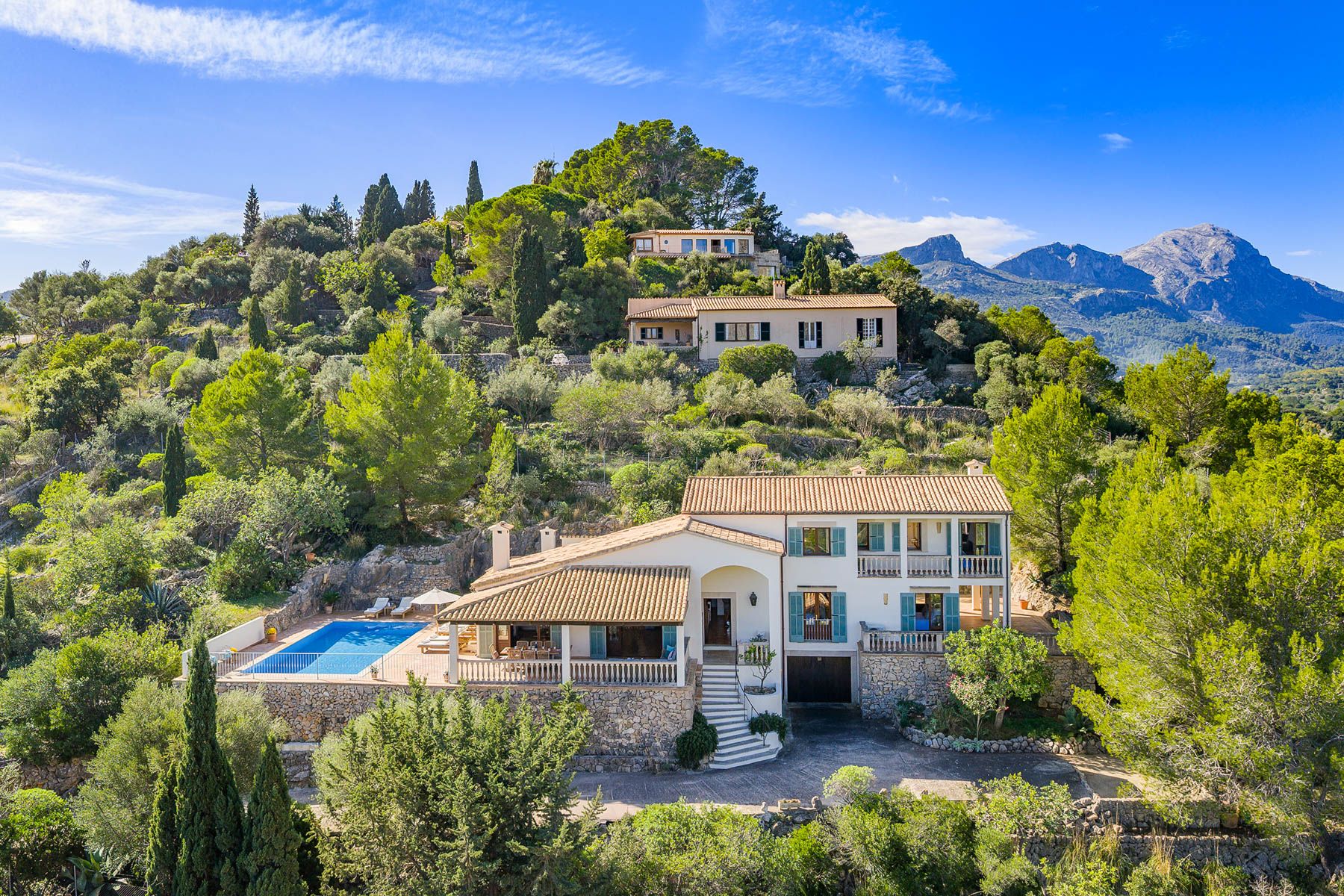
Casa Calvari suits this part of Mallorca because it understands both halves of the north: the old town and the open road. Casa Calvari occupies one of Pollença’s most sought-after corners, looking across the mountain landscape and out towards the sea, with terraces, a private heated pool and calm interiors. For cyclists, the detail that matters most may not be the view, but the garage with cycle stands and repair equipment – less romantic than a sunset, perhaps, but by day four, it may be more useful.
Day 5: The food and olive oil of rural Mallorca
Visit an olive mill in Caimari
Caimari village in rural Mallorca
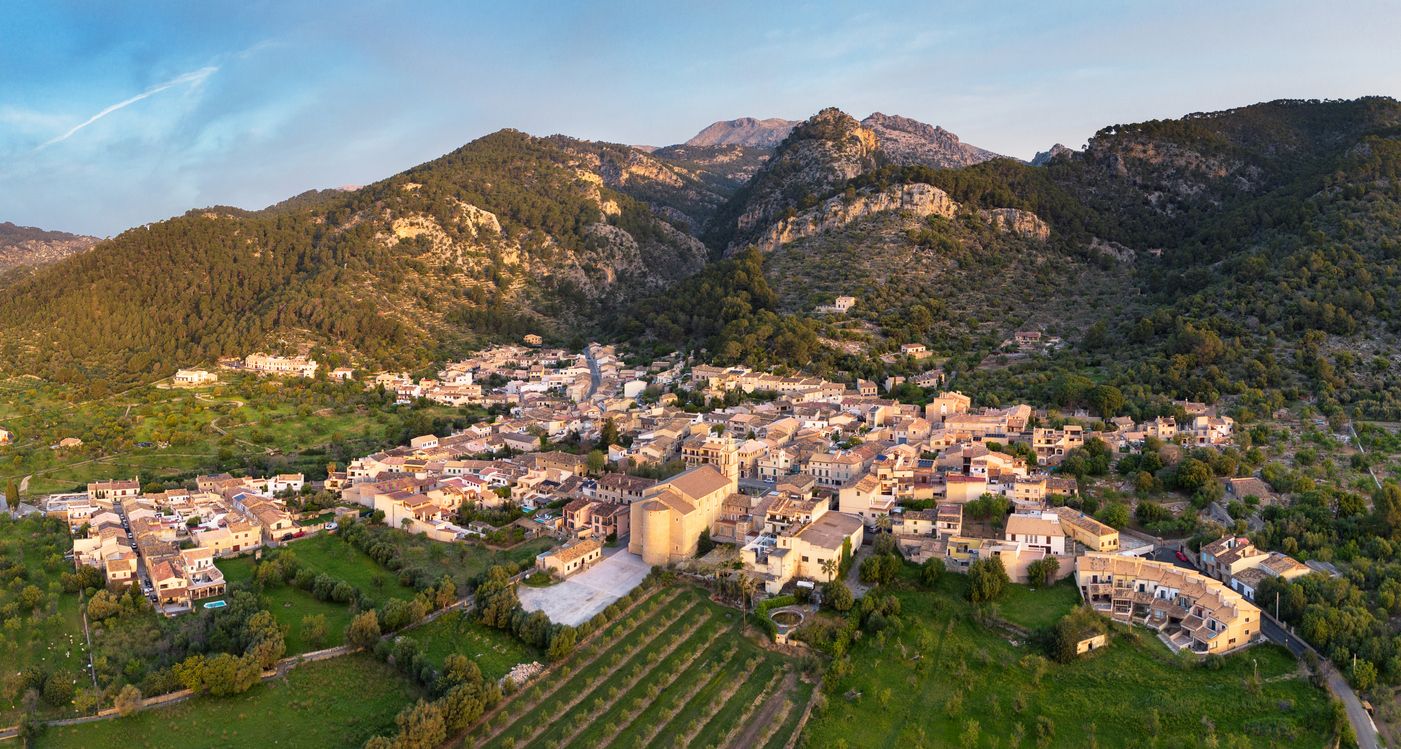
Caimari sits beneath the Serra de Tramuntana, the mountain range that follows Mallorca’s north-west coast. Ancient olive terraces rise behind the village, their twisted trees rooted between pale rock and stone walls. The oil they produce runs through Mallorcan cooking – poured over bread and tomatoes, used daily in village kitchens and Michelin-star restaurants.
Sa Tafona de Caimari makes the process visible. The old mill preserves the heavy stone wheel and machinery once used to press the village’s olives. Taste the oils before buying; some bring softer notes of ripe almond, while others taste greener and finish with the peppery catch at the back of the throat.
Have lunch in Caimari or Selva
At Ca Na Toneta, sisters Maria and Teresa Solivellas cook with the produce of the island. Vegetables, herbs and olive oil arrive tasting emphatically of Mallorca, while the menu changes according to the season.
A few kilometres away in Selva, Miceli builds its menu around whatever the market supplies that day. The restaurant occupies a village townhouse, and the absence of a fixed menu turns lunch into a useful exercise in surrender: you eat what arrived that morning.
Spend the afternoon in Alaró
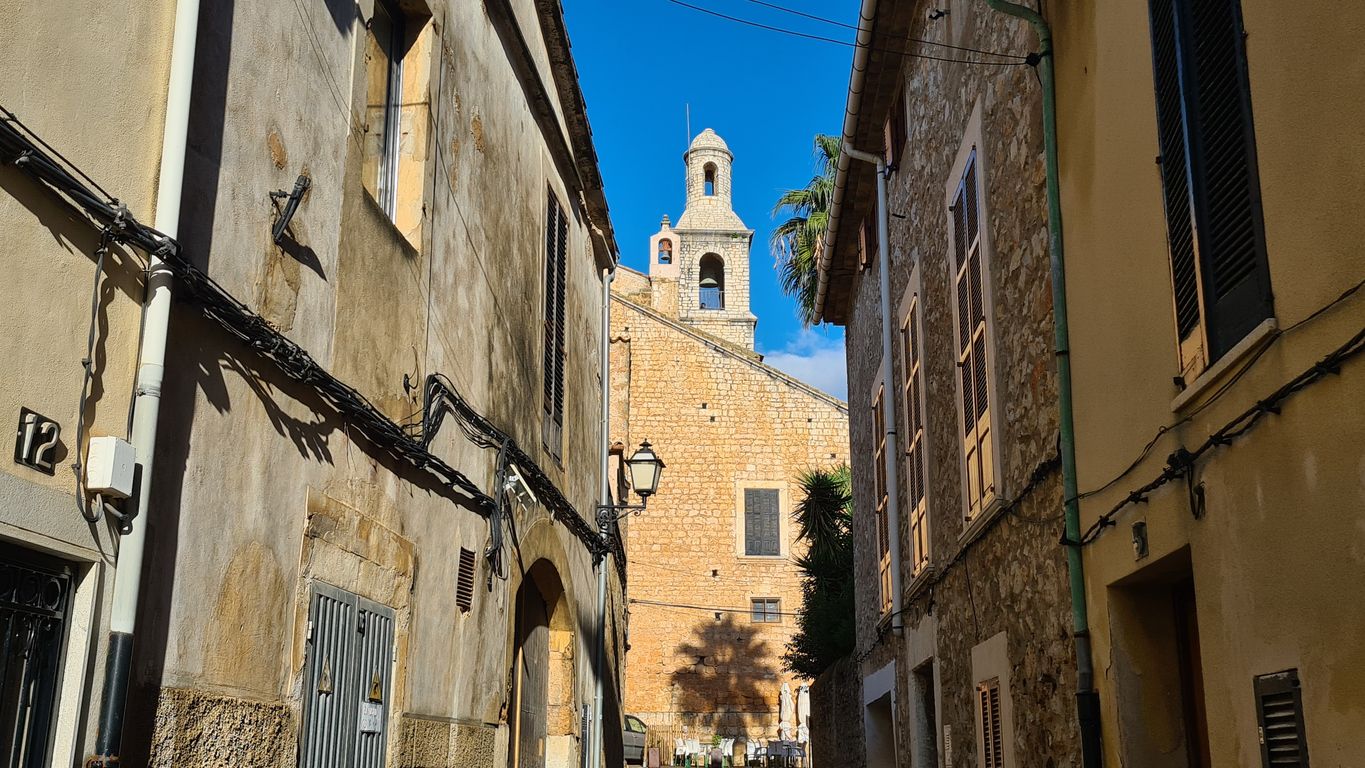
Traditional street in the old town of Alaró
Alaró sits beneath two blunt limestone peaks, with stone streets running towards a square of cafés and plane trees. Stop here for coffee and browse the small shops around the square.
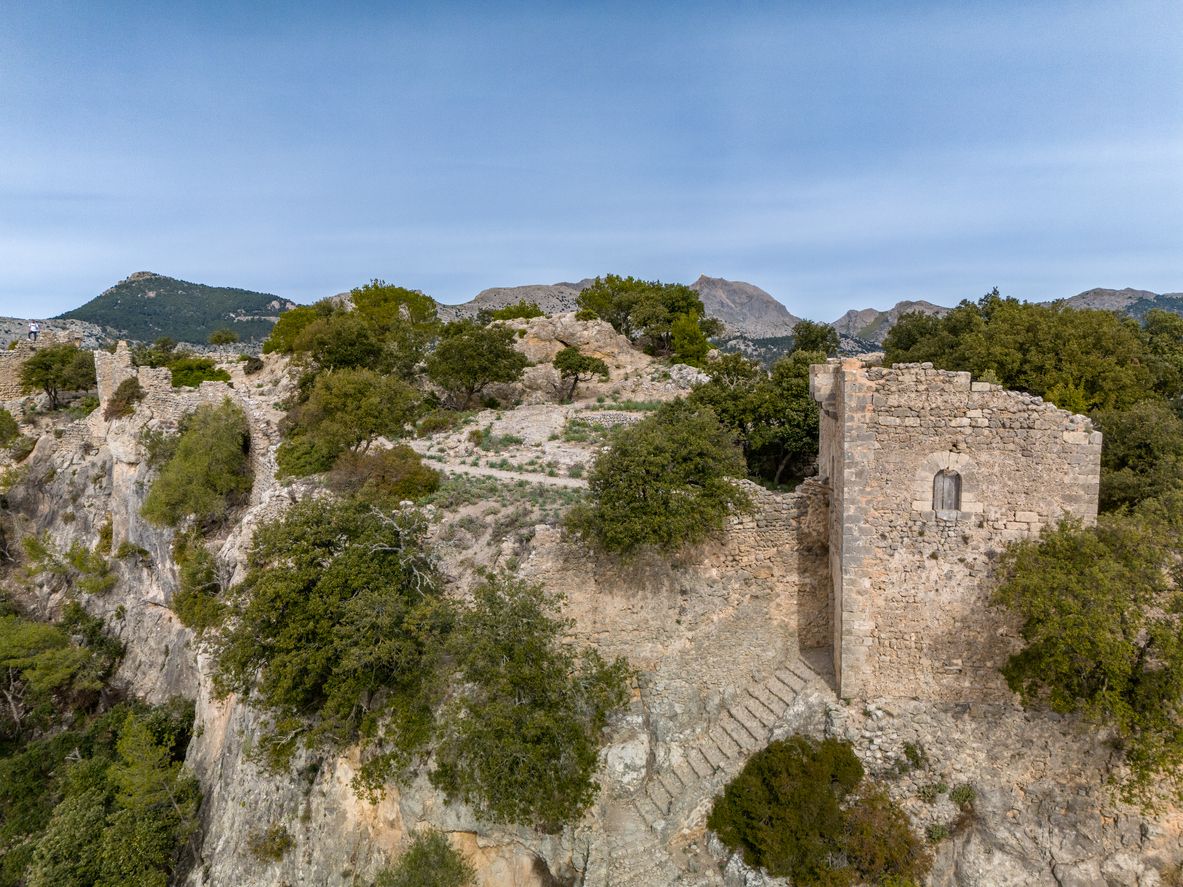
Castell d’Alaró, Alaró’s castle ruins, occupies a ridge high above the town, and can be reached by a steep route through olive groves, holm oak and exposed rock. Attempt it early or outside the hottest months; in midsummer, Alaró’s square and the finca pool may be the more intelligent option. The hike remains the area’s defining excursion, with views across the central plain and towards the Tramuntana.
Castell d’Alaró
Where to stay in Rural Mallorca: Finca Natura
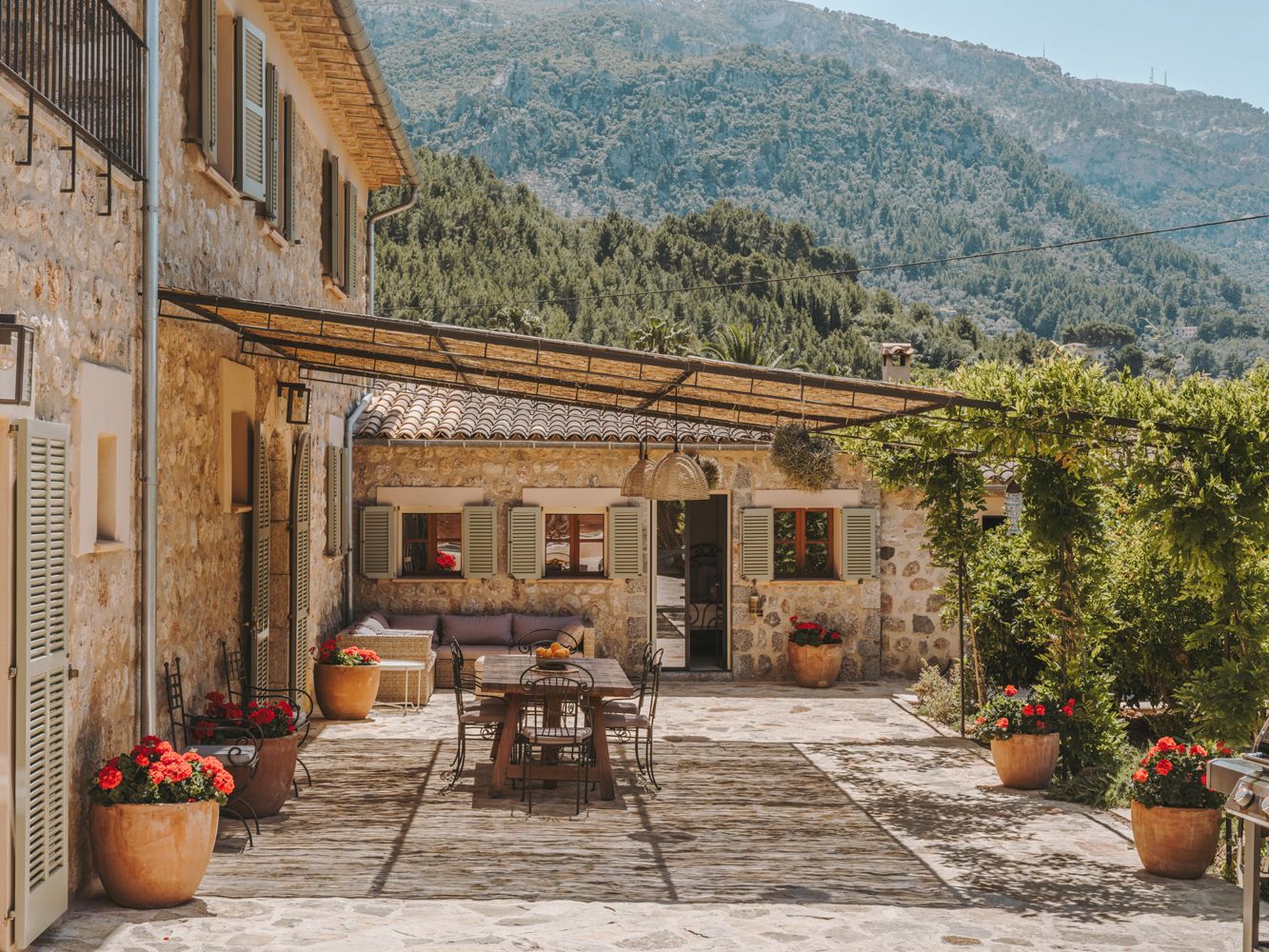
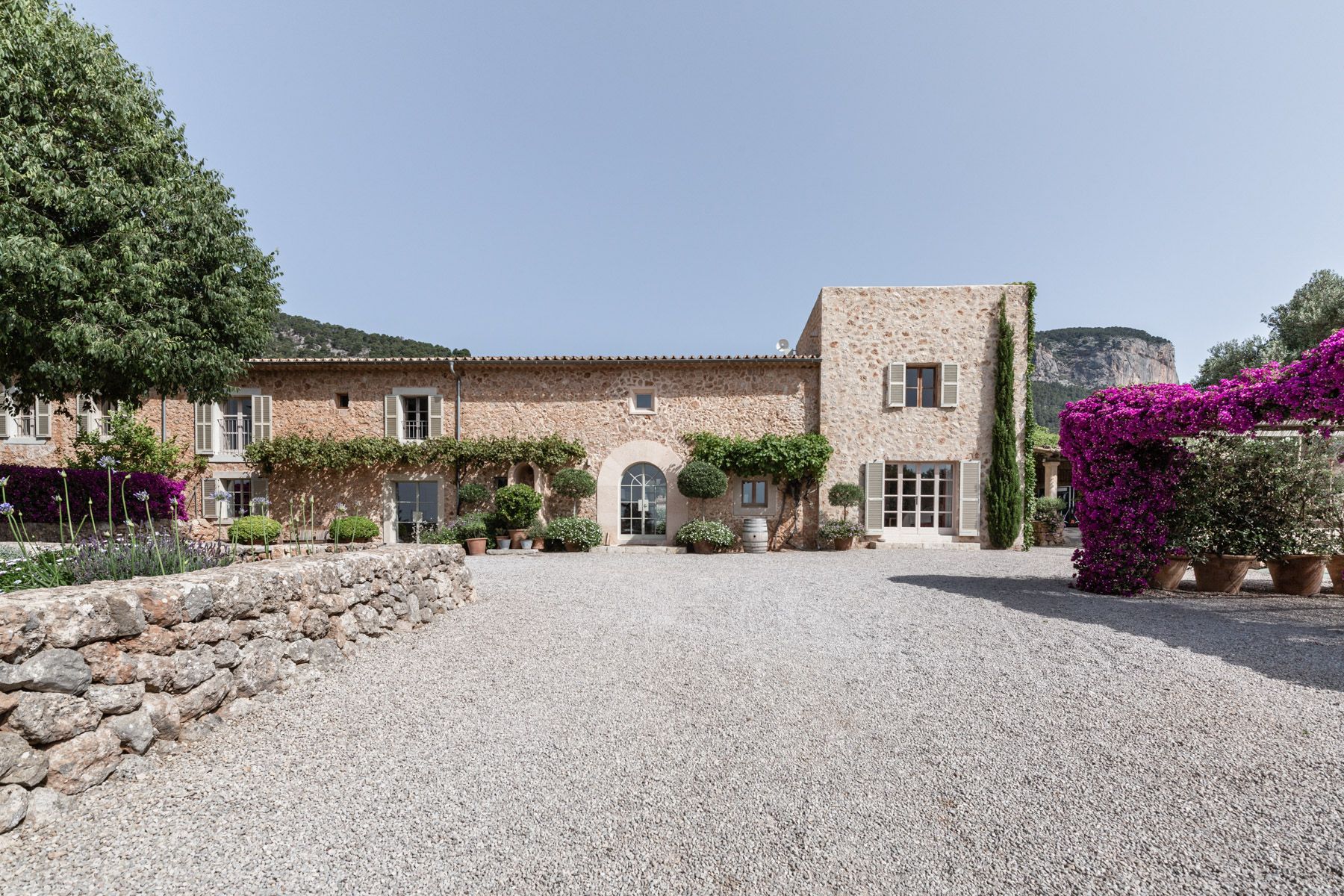
Olive trees and open fields surround Finca Natura in the countryside near Alaró, with the Tramuntana rising beyond the garden and pool. The finca sleeps eight in four en-suite bedrooms; one occupies a separate guest house with its own kitchen and sitting room, giving larger families or groups a little independence.
Exposed beams and country furniture warm the older rooms, while a 70-square-metre glazed lounge and dining room brings the garden into the house. Caimari, Selva and the olive-growing foothills lie within easy reach, but the finca makes a persuasive case for returning before dusk, opening a bottle of wine and watching the mountains darken from the terrace.
Day 6: Artà, Capdepera and Mallorca’s eastern coast
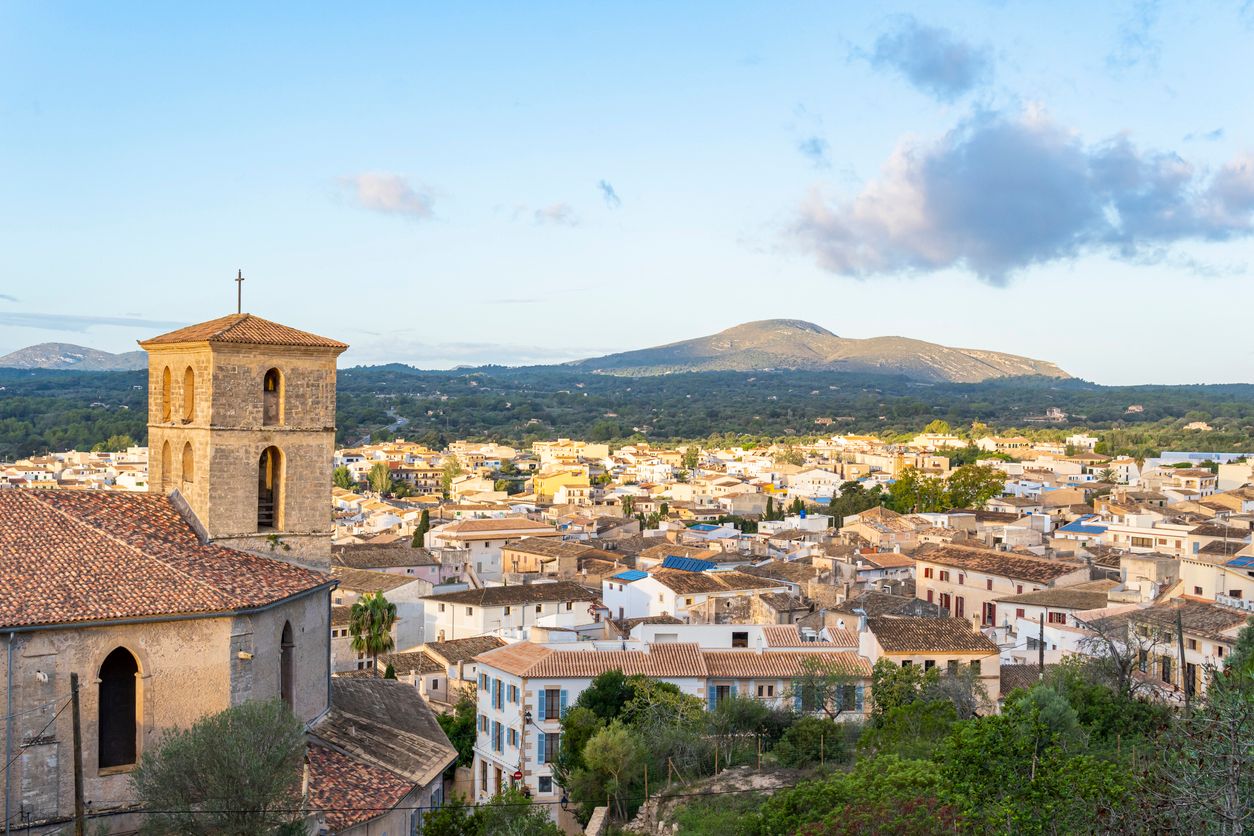
Artà, Mallorca
Explore Artà and climb to Sant Salvador
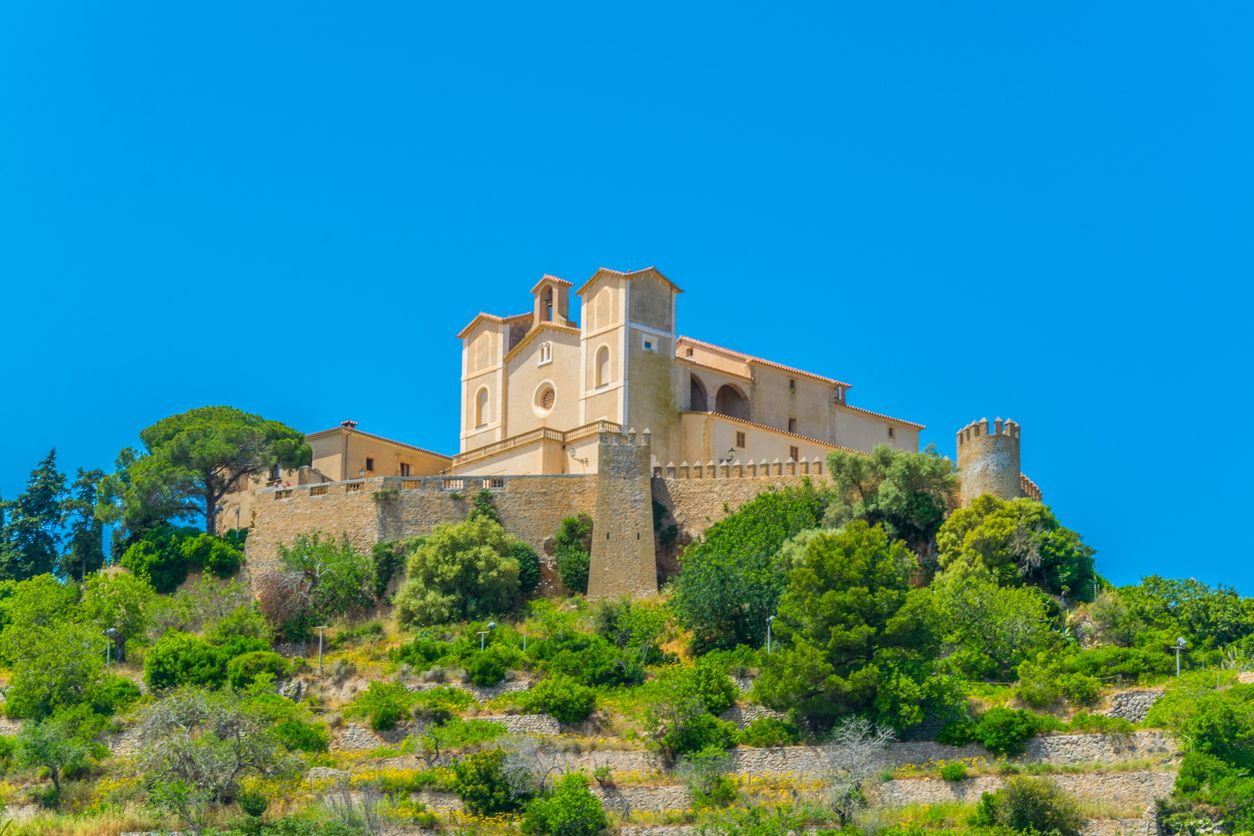
Sanctuary of Saint Salvador in Arta, Mallorca
Artà rises through sandstone streets towards Sant Salvador, the fortified sanctuary that watches over the town from the hill above. Begin among the cafés and shops around Plaça del Conqueridor, then follow the old town uphill.
A flight of 180 steps leads to Sant Salvador. Walk around the fortress walls for views across Artà’s rooftops, the surrounding countryside and the eastern coastline in the distance. On Tuesday mornings, a market fills the town with local produce, pottery and the palm-fibre basketry traditionally made in this part of Mallorca.
Have lunch in Artà
Ca’n Jaume serves traditional Mallorcan cooking. This family-run restaurant changes its menu through the week, with slow-cooked dishes, seasonal flavours, and familiar island recipes taking precedence.
Visit Capdepera Castle
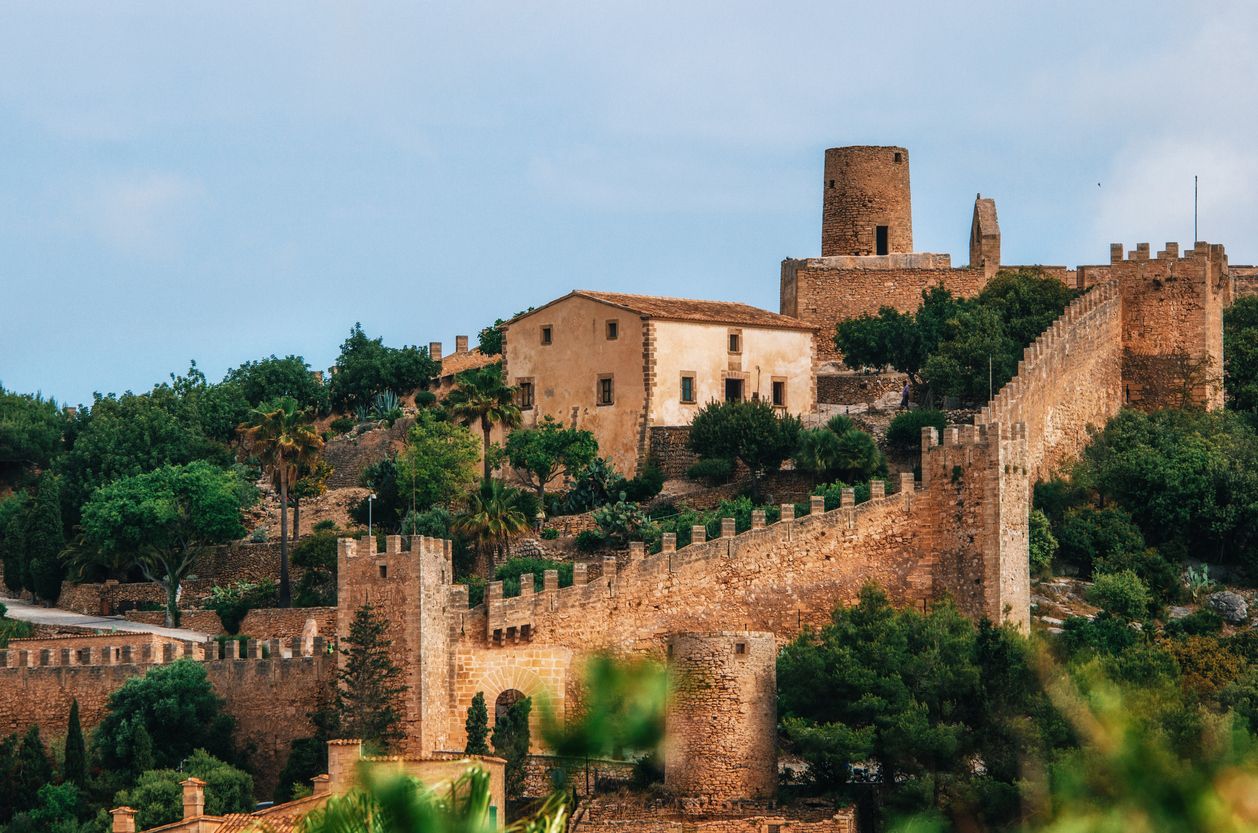
Capdepera Castle in Mallorca, Spain
A short drive east brings you to Capdepera, where a walled castle occupies the hill above the town. King Jaume II ordered its construction in the 14th century to protect the local population and control this exposed corner of the island during periods of pirate attack.
Walk through the fortified enclosure and climb towards its towers for views across the countryside and the channel towards Menorca. The castle also houses a small museum devoted to llata, the local craft of weaving dried palm leaves into baskets and other household objects.
Swim on the east coast
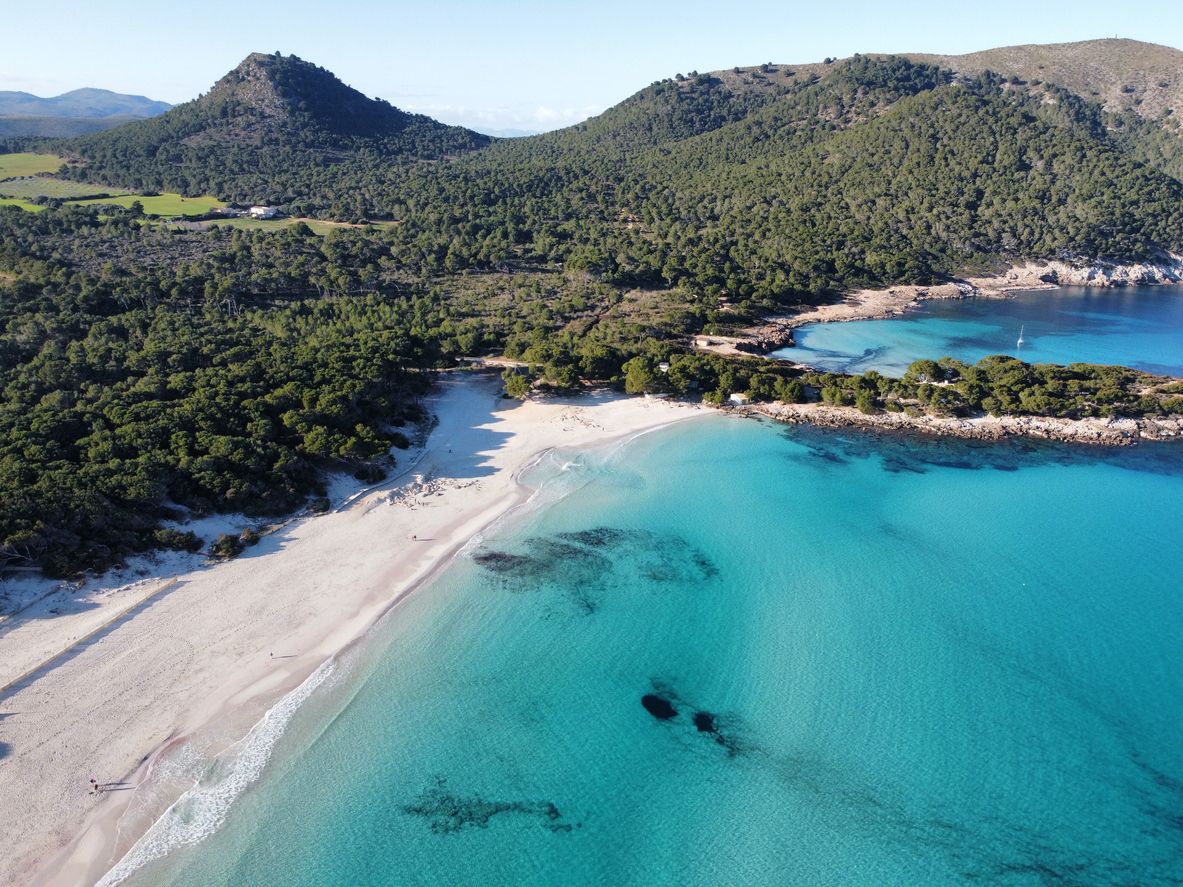
Cala Agulla on Mallorca’s east coast
Finish at Cala Agulla, where pale sand runs between rocky headlands, and pine trees grow close to the water. The shallow sea makes swimming easy in calm conditions, while the beach’s length provides more room than the east coast’s smaller coves.
Cala Mesquida offers a wilder alternative, with pale sand, open water and protected dunes backed by pine forest. The bay catches more wind, so check the water before swimming, particularly with younger children.
Where to Stay in East Mallorca: Son Verd
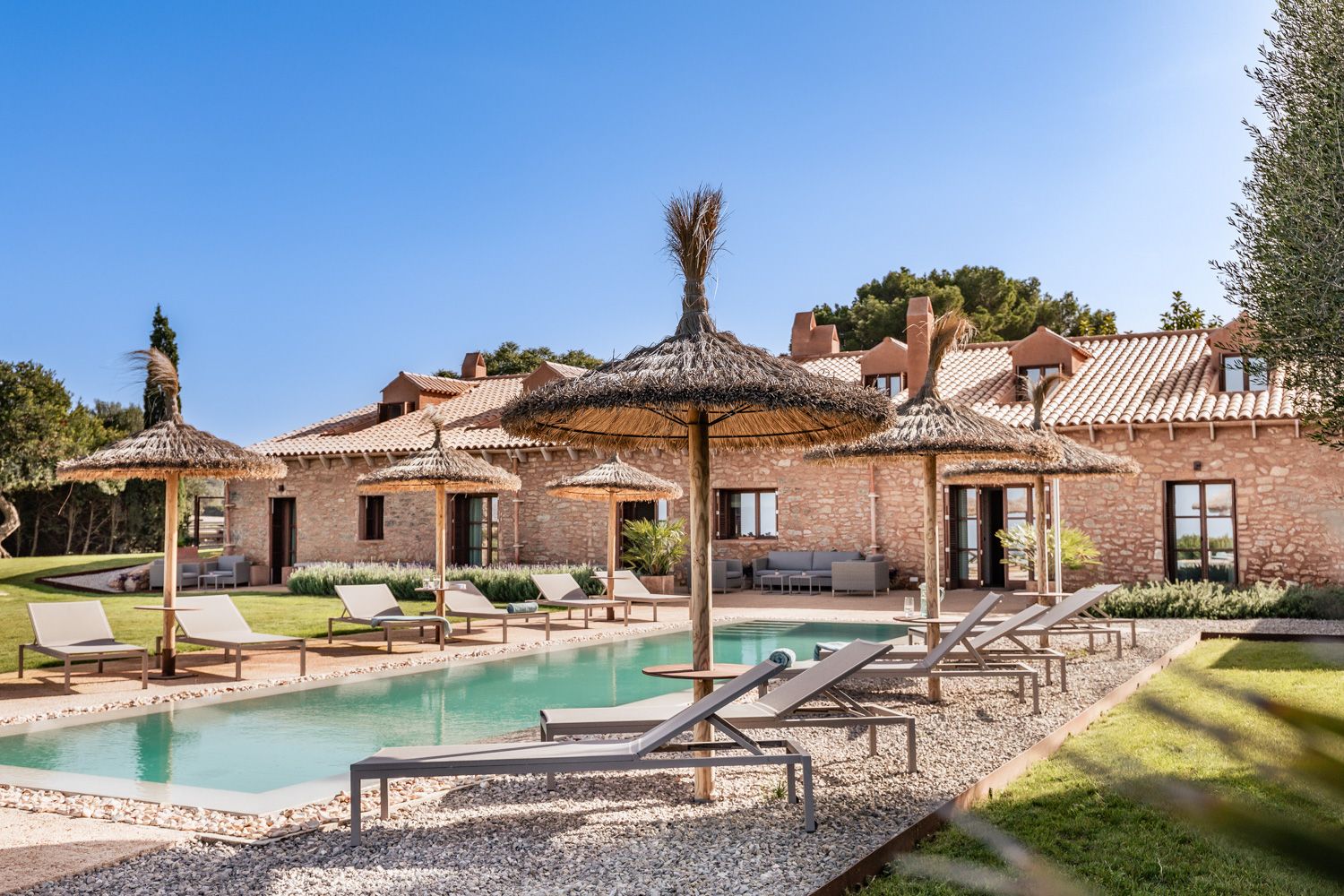
Six hectares of private vineyards surround Son Verd, a country villa owned by a local wine producer. Wide terraces look across the vines, while the saltwater pool, outdoor kitchen and wood-fired pizza oven give the evening plenty of reasons to remain outside.
The villa sleeps eight across four bedrooms, with bright interiors, large windows and natural materials keeping the countryside in view. A sauna, gym and billiards room provide alternatives to the pool, although the vineyard remains the reason to stay. Return from the coast for a swim, open a bottle from the estate and cook dinner outside as the light leaves the vines.
Day 7: Spend the day at the beach
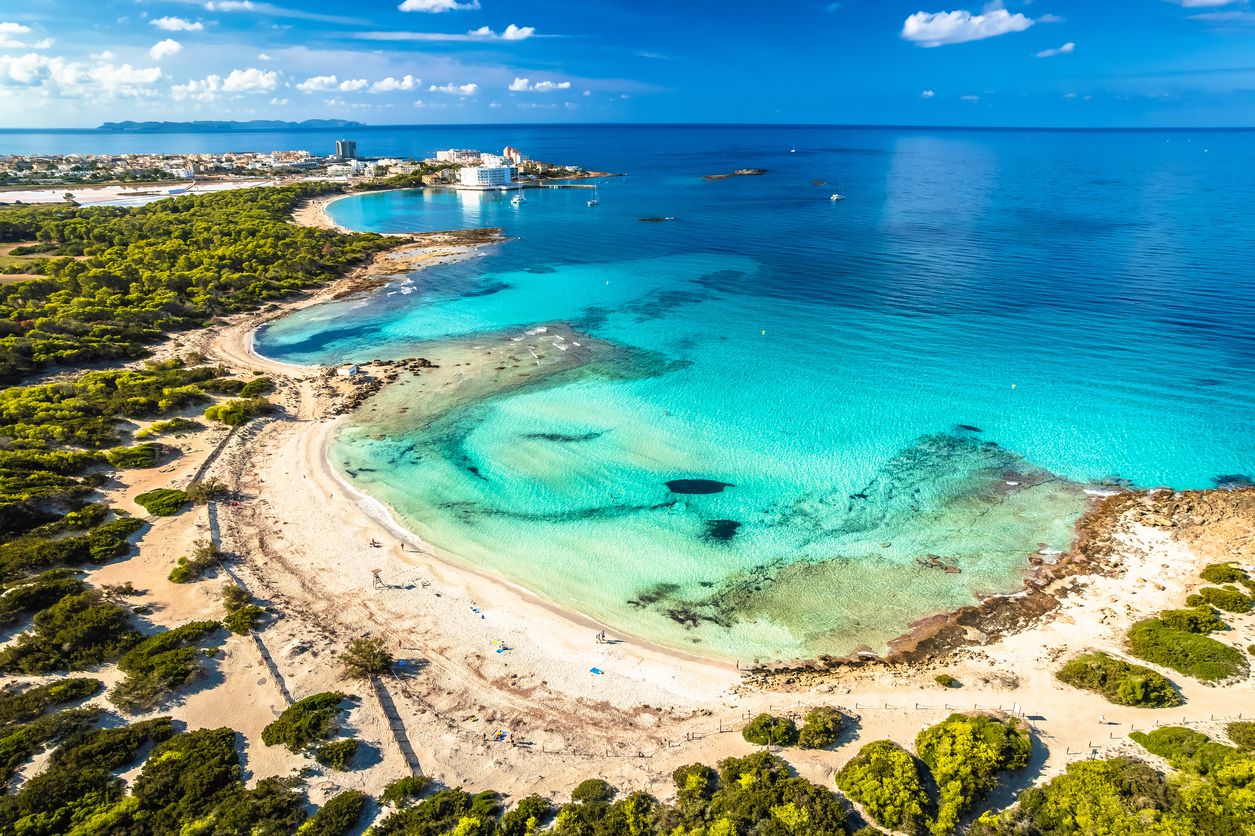
Es Trenc beach
By the final day, the ambition to see everything will have faded, and the Mediterranean asks for little more than one last beach. Choose a stretch of sand close to your villa, and arrive before the midday heat. Mallorca has enough coastline to make indecision feel virtuous, but one good swim is usually the wiser choice.
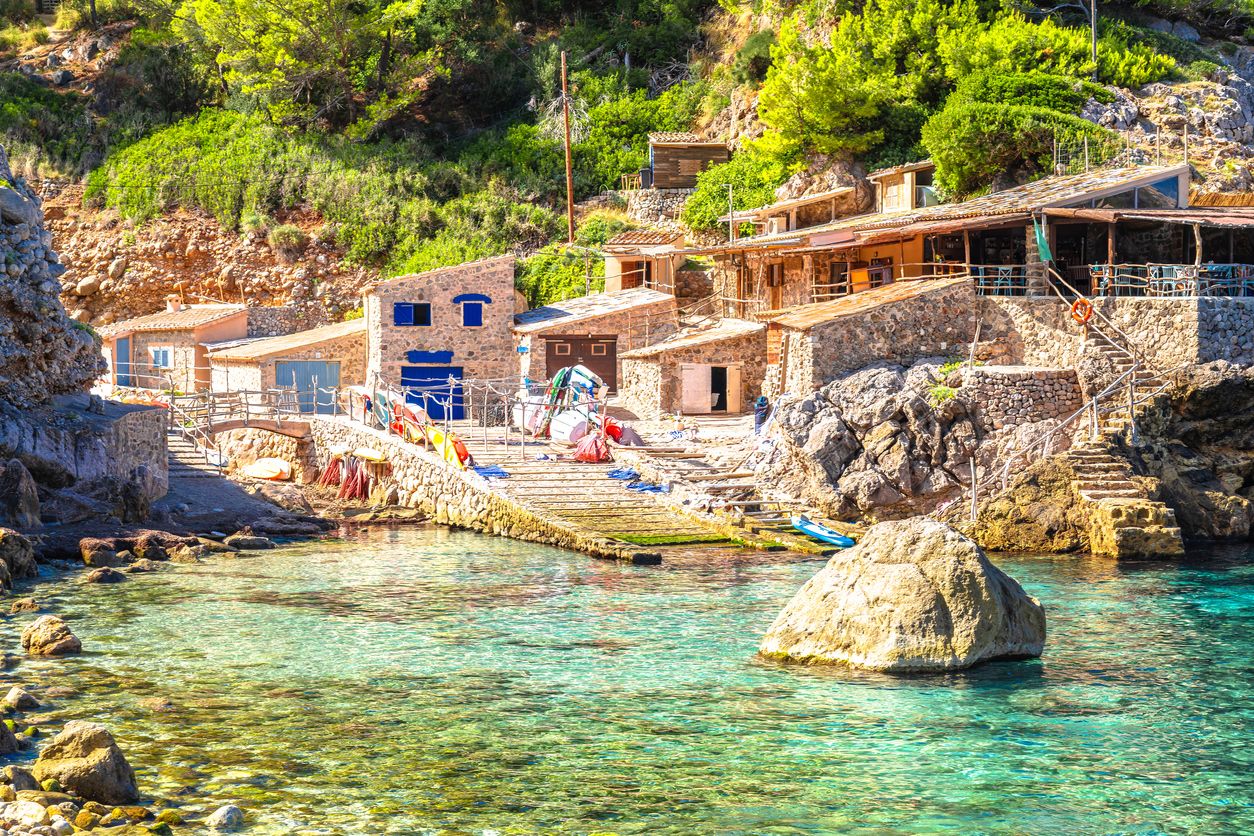
South coast: Es Trenc for a long stretch of pale sand and clear, shallow water; Cala Mondragó for sheltered coves within a natural park; Caló d’es Moro for a small, rocky cove with intensely blue water.
North coast: Platja de Formentor for pine-backed sand and calm water; Playa de Muro for a wider beach, shallow sea and easy facilities.
North-east coast: Cala Mesquida for dunes, open water and more space.
West coast: Sa Calobra for dramatic cliffs and a pebbled cove; Cala Deià for clear water and lunch above the bay; Platja d’en Repic for a sandy beach in Port de Sóller.
Near Palma: Illetas for a sheltered bay close to the city; Cala Major for an easy urban beach; Portixol for a smaller beach beside the waterfront promenade.
Where to stay by the beach: Villa Ainara
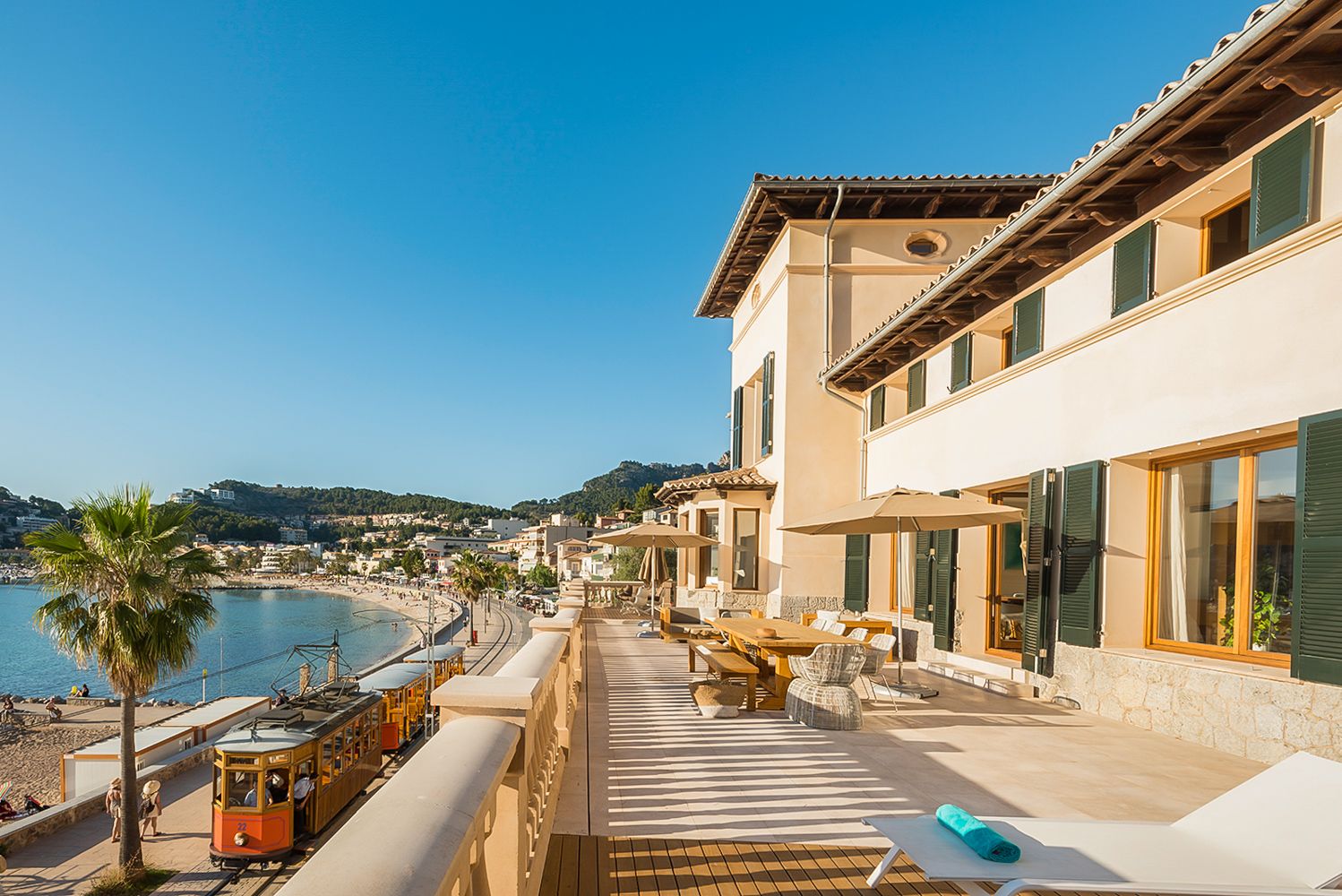
Villa Ainara puts Port de Sóller’s beach almost on the doorstep. Platja d’en Repic, with its sandy shore and calm, sheltered water, lies within easy walking distance, while the promenade, cafés and restaurants run along the bay below.
The villa sleeps ten across five bedrooms, with bright interiors and large windows looking towards the harbour. A broad waterfront terrace overlooks the boats and old tram, while a private pool occupies a separate first-floor terrace. It gives families and groups the rare luxury of a beach holiday without sacrificing space, privacy or the life of the port.
Seven days in Mallorca can take you through Palma’s Gothic streets, Deià’s mountain glamour, Sóller’s citrus valley, Pollença’s old town, the olive groves of the interior, and the island’s most beautiful beaches. Oliver’s Travels has villas across the island, so you can stay close to the places you most want to explore.
Previous
The Odyssey: Where to Visit in Greece
Next
Edinburgh Festival Fringe & International Festival 2026: What to See and Where to Stay
Popular Articles
The 10 Best Beaches in Cyprus
Cyprus has beaches for almost every kind of holiday, from soft, pale sands and shallow family bays to turtle-nesting shores, watersports hubs, and quiet coves beneath cliffs. Better still, the island makes it easy to combine time beside the sea with ancient ruins, mountain villages, and lunches in coastal tavernas. The best beaches in Cyprus […]
The 10 Best Beaches in Mykonos
Mykonos may be known for its whitewashed lanes, late-night parties, and famous beach clubs, but its coastline has more range than the headlines suggest. Long sandy bays curve around the south of the island, while the north coast feels wilder, more exposed to the Aegean wind. The best beaches in Mykonos cover almost every mood. […]
10 Best Villas in Ibiza
The fabled ‘White Island’ is a place of many faces. On the one hand, Ibiza is renowned as a prime clubbing destination with a vibrant nightlife that’s a magnet for partygoers. But there’s more to the island than exclusive clubs and dancing ’til dawn! Further inland, you’ll find there’s a much more laid-back atmosphere among […]
Annual leave is one of the year’s more finite pleasures. Used without much thought, it can quickly disappear into the occasional Friday and a handful of Mondays. Place it more strategically, however, and the same allowance can turn four days away from your desk into nine or even ten days elsewhere. In 2027, Easter falls […]
Sense and Sensibility: Where to stay for a Jane Austen-inspired escape
On 25 September, this year’s Sense and Sensibility will introduce Jane Austen’s razor-sharp wit and biting social commentary to a whole new generation of gooey-eyed romantics. Like Emma Thompson’s much-loved 1995 adaptation and the novel long before it, the new film promises fierce heroines, men whose charms cannot always be trusted and – of course […]
Venice Film Festival 2026: Where to Stay
Every September, Venice – a city already accustomed to grand entrances – becomes the stage for cinema’s most anticipated arrivals. First held in 1932, the Venice International Film Festival is the oldest in the world. Its 83rd edition runs from 2–12 September 2026 on the Lido, the long barrier island separating the Venetian Lagoon from […]
10 European City Breaks and Where to Stay
One of the great pleasures of living in the UK is its access to the rest of Europe. It is easy to forget quite how extraordinary it is until you hear it from someone who has crossed an entire ocean to get here. The distinctly American idea of “doing Europe”, which tends to mean a […]
7 Days In… Corfu
In the turquoise Ionian, just off the coast of Albania, lies Greece’s greenest island. Stand at the north-west of the peninsula at Paleokastritsa, and you will see the whole landscape open before you. Lush, green hills rise from every angle, their cypress trees fringing the rocky bay out into endless azure, the old monastery above […]
Solar Eclipse 2026: Best Places to Watch in Spain & Where to Stay
On 12 August 2026, the solar eclipse will sweep across Spain, coinciding with the peak of the Perseid meteor shower on the same summer night. Near sunset, the moon will pass across the sun, drawing a narrow band of darkness over the country. Hours later, beneath an almost moonless sky, the Perseids will reach their […]
Edinburgh Festival Fringe & International Festival 2026: What to See and Where to Stay
Every August, artists and visitors from around the world flock to the Scottish capital for the Edinburgh International Festival and the Edinburgh Festival Fringe. For a few weeks, the city gives over its lecture halls, churches, music venues, theatres and pub basements, turning them into stages for one of the year’s most interesting arts events. […]
The Odyssey: Where to Visit in Greece
In Book XII of the Odyssey, Odysseus’ men bind him to the mast of the ship, beeswax in their ears, as he listens to the song of the Sirens. No man, they say, has heard the tune and lived to tell the tale. But this is Odysseus; he has already outwitted the Cyclops Polyphemus, survived […]
England’s Most Beautiful Towns for a UK Escape
Take the train to St Ives and you see one of England’s most beautiful towns from above. The track runs high over the bay, carrying you past the pale sweep of Porthminster Beach and its turqouise waters, before the town appears in a jumble of whitewashed houses and cobbled streets. There is a feeling, in […]
Best Places to Stay in Crete for Couples: The Complete Guide
In Elafonisi, on the far western edge of Crete, the sand is pink. Crushed blush shells and coral stipple the shallows as the sea laps in, mixing white and pink with blue like a natural triptych. There is a yearning, too, in Chania at night. When the old lighthouse sends its glow across the harbour, […]