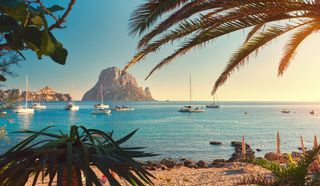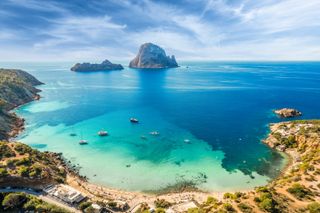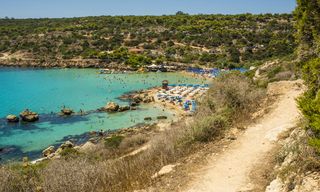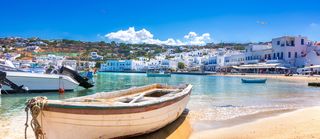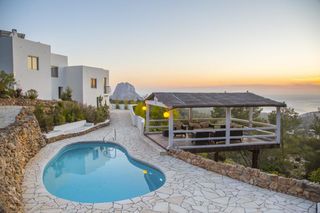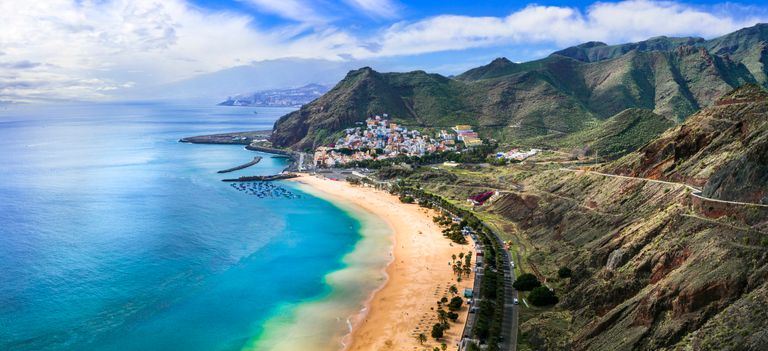
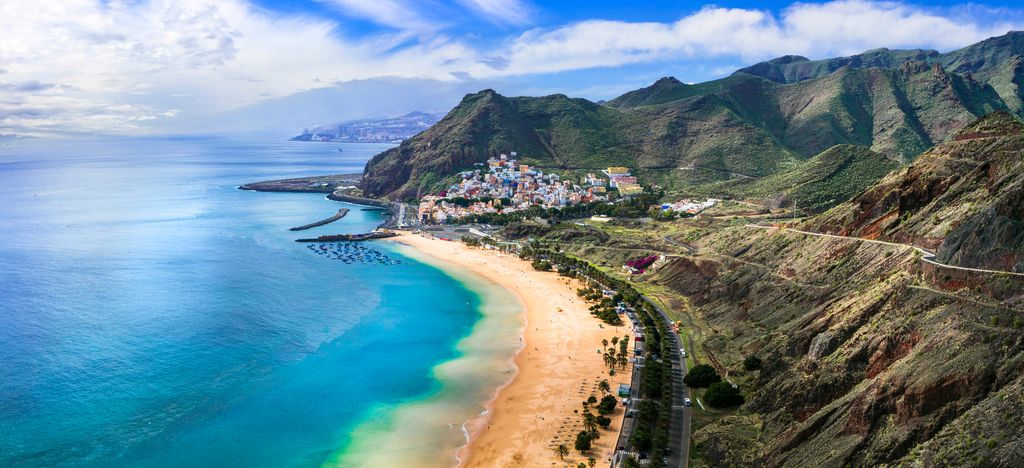
Spain has no shortage of extraordinary landscapes, but few inspire quite the same debate as its islands. Set in two wildly contrasting corners of the Atlantic and Mediterranean, the Balearic Islands and the Canary Islands each promise sunshine, beaches and a certain kind of escapism – yet they offer surprisingly different holiday experiences.
The Balearics sit just off Spain’s eastern coast in the Mediterranean, close enough to the mainland that their cuisine, architecture and culture remain deeply tied to Spain itself. Mallorca, Menorca, Ibiza and Formentera share centuries of history shaped by trade routes, agriculture and fishing villages.
The Canaries, by contrast, lie far out in the Atlantic, closer to Africa than Europe. Tenerife, Lanzarote, Gran Canaria, Fuerteventura, and La Palma are shaped by volcanic activity, leaving behind dramatic terrain: lava fields, cratered mountains and vast black-sand beaches facing the ocean.
Both island groups have their loyal followers. Some travellers return to the Balearics year after year for their coves and countryside. Others swear by the Canaries for their winter sunshine and lunar landscapes.
Choosing between them is less about deciding which islands are better, and more about what kind of escape you’re looking for.
The Balearics : Best for Mediterranean Character
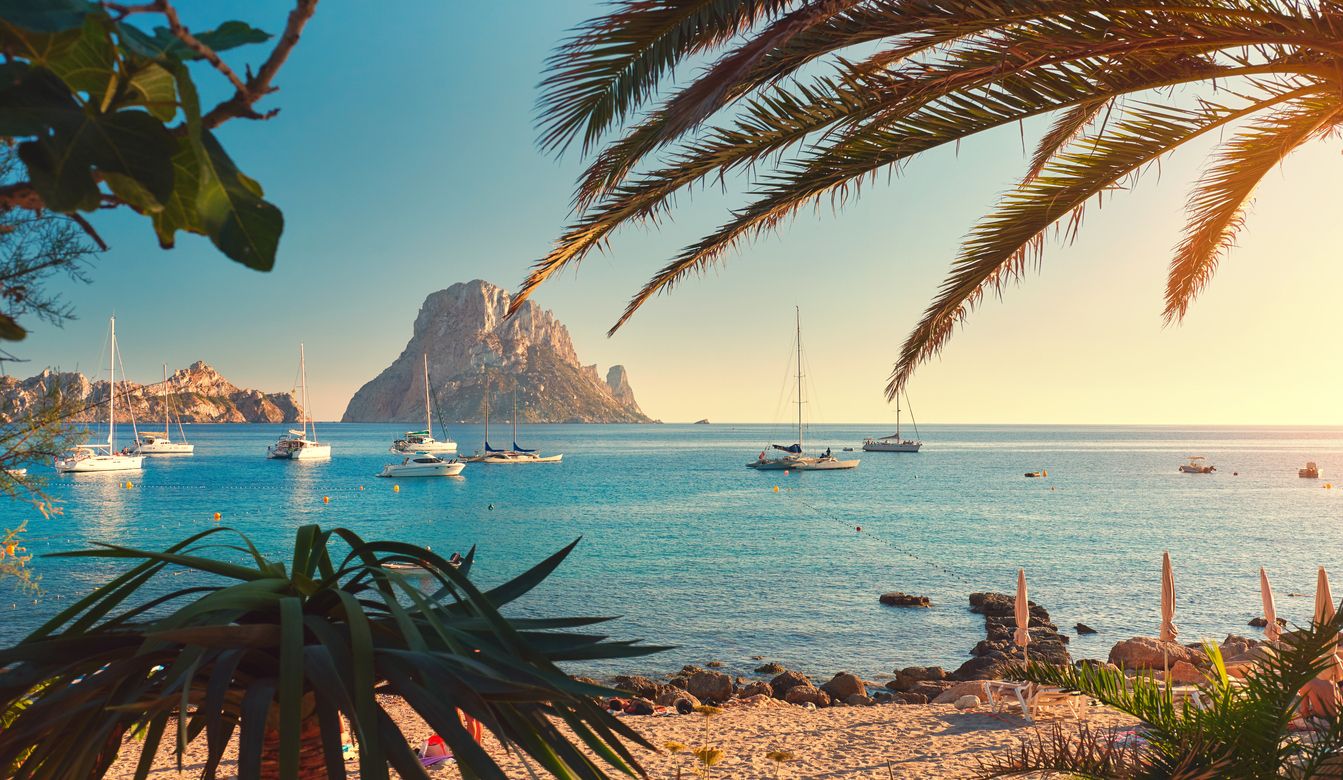
The Balearic Islands are shaped by the Mediterranean. Olive trees, vineyards and pine forests dominate the landscape, while the coast is carved into hidden calas: small coves where pale sand meets clear turquoise water.
Each island carries its own personality.
Mallorca: Best Balearic Island for Variety
Mallorca, the largest, offers extraordinary variety. In a single day you can drive from the dramatic limestone peaks of the Serra de Tramuntana to vineyard-dotted plains and on to a quiet fishing harbour along the coast. The island’s capital, Palma, adds a cosmopolitan edge with its Gothic cathedral, galleries and lively food scene.
Menorca: Best Balearic Island for Nature Lovers
Menorca, by contrast, is defined by its landscape. Protected as a UNESCO Biosphere Reserve, much of the island remains undeveloped. Pine forests frame the coastline, and dry-stone walls divide farmland across the interior. Hidden coves – some reached only by footpaths – are among the most beautiful in the Mediterranean.
Ibiza: Best Balearic Island for Culture and Nightlife
Then there is Ibiza, an island that has spent decades negotiating its own reputation. Beyond the famous nightlife lies a landscape of quiet beaches and whitewashed villages. Artists, musicians and writers have long been drawn here, and that creative energy shapes much of the island’s cultural life.
Formentera: Best Balearic Island for Idyllic Escapes
And finally, Formentera, the smallest of the four. Reached by ferry from Ibiza, it feels almost deliberately understated. Its beaches are among the most striking in Europe, long stretches of pale sand surrounded by water so clear it appears almost luminous.
Why visit the Balearic Islands?
For travellers choosing villas in the Balearic Islands, the appeal often lies in this mixture of scenery and culture. Start your morning with a swim before wandering through village markets or settling into a long lunch overlooking the water.
The Balearics feel distinctly Mediterranean in character; their history deeply layered and long connected to the traditions of mainland Spain.
Balearics or Canary Islands: Which is better for Mediterranean charm?
Choose the Balearics for coves, culture and classic Mediterranean scenery. The experience feels deeply connected to Spain, with layered history, local cuisine and a slower pace of life.
The Canary Islands: Best for Volcanic Landscapes and Endless Sunshine
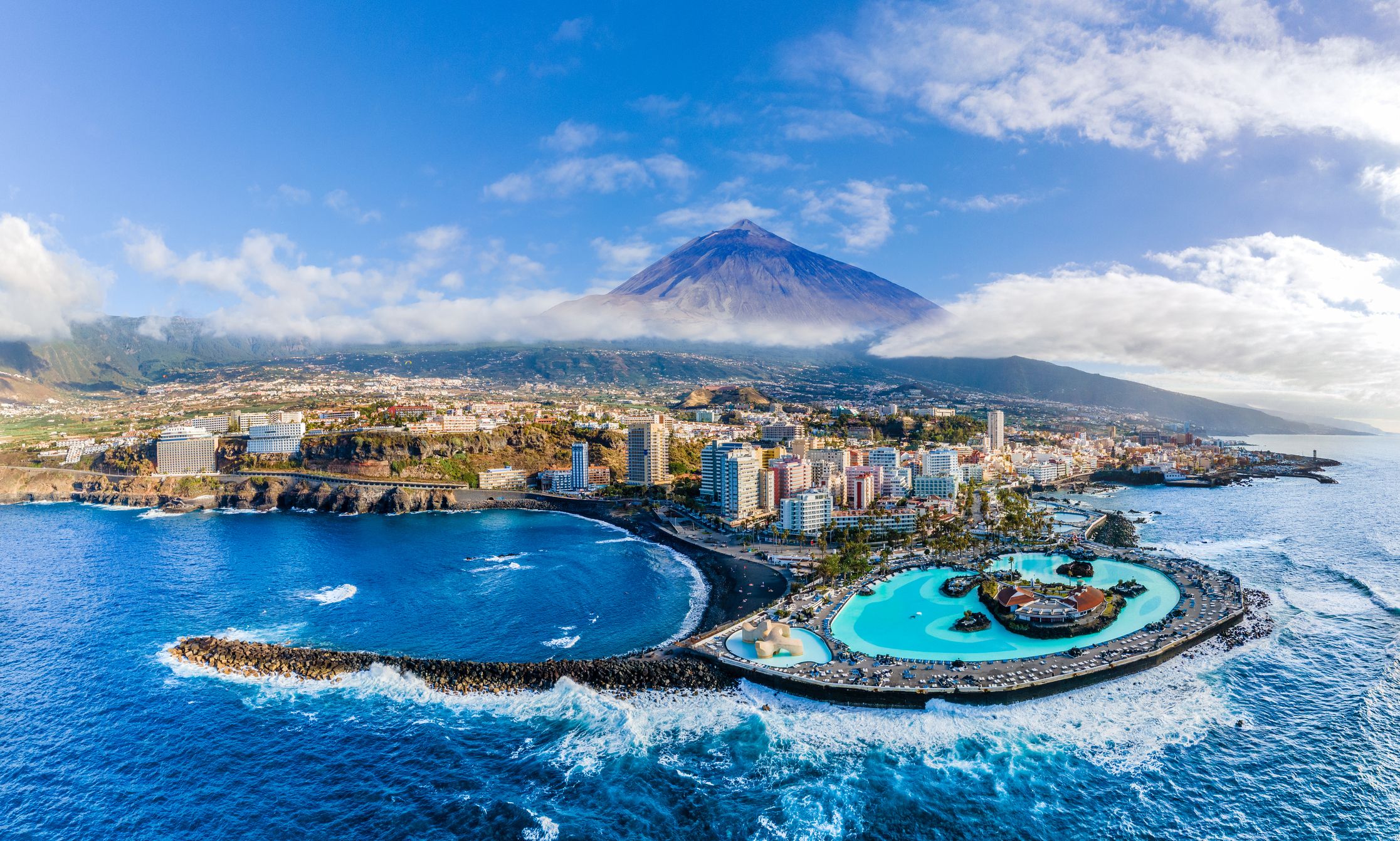
Where the Balearics are tied to the Mediterranean, the Canary Islands are shaped by volcanic activity, which has left the archipelago with landscapes that appear almost otherworldly. Black lava fields stretch toward the ocean, mountains rise abruptly from the terrain, and beaches range from golden sand to dramatic volcanic shores.
The islands are also known for their climate. Sitting far south in the Atlantic, they enjoy warm temperatures throughout the year, making them a favourite destination for winter sun.
Tenerife: Best Canary Island for Dramatic Landscapes and Variety
Among the most famous is Tenerife, home to Mount Teide, Spain’s highest peak. The surrounding national park feels closer to a lunar landscape than a typical island interior, with lava formations and vast open skies.
Lanzarote: Best Canary Island for Volcanic Scenery and Design
Lanzarote offers a similarly striking environment. Much of the island was shaped by volcanic eruptions in the eighteenth century, leaving behind dramatic black landscapes that contrast sharply with the deep blue of the Atlantic.
Gran Canaria: Best Canary Island for Diverse Landscapes
Then there’s Gran Canaria, often described as a continent in miniature thanks to its varied terrain. Sandy dunes, mountainous interiors and lush valleys all coexist within a relatively small island.
Fuerteventura: Best Canary Island for Beaches and Surf
Fuerteventura is known for its long, windswept beaches and laid-back atmosphere. With some of the best stretches of sand in the Canary Islands, it’s particularly popular for surfing, kitesurfing and those seeking a more relaxed pace.
La Palma: Best Canary Island for Nature and Stargazing
La Palma offers a greener, more rugged take on the Canary Islands, with forested volcanic slopes and dramatic viewpoints. It’s one of the best destinations in Europe for stargazing, thanks to its clear skies and protected night environment.
Why visit the Canary Islands?
Across the archipelago, volcanic landscapes shape everything from hiking routes to coastlines, while Atlantic swells draw surfers year-round. Clear skies and low light pollution make the islands ideal for stargazing, while the consistent climate makes them a reliable escape across every season.
Balearics or Canary Islands: Which is better for landscapes and climate?
Choose the Canary Islands for dramatic scenery, outdoor exploration and year-round sunshine. The landscapes feel rawer and more untamed, shaped by volcanic forces.
Beaches: Coves or Coastlines?
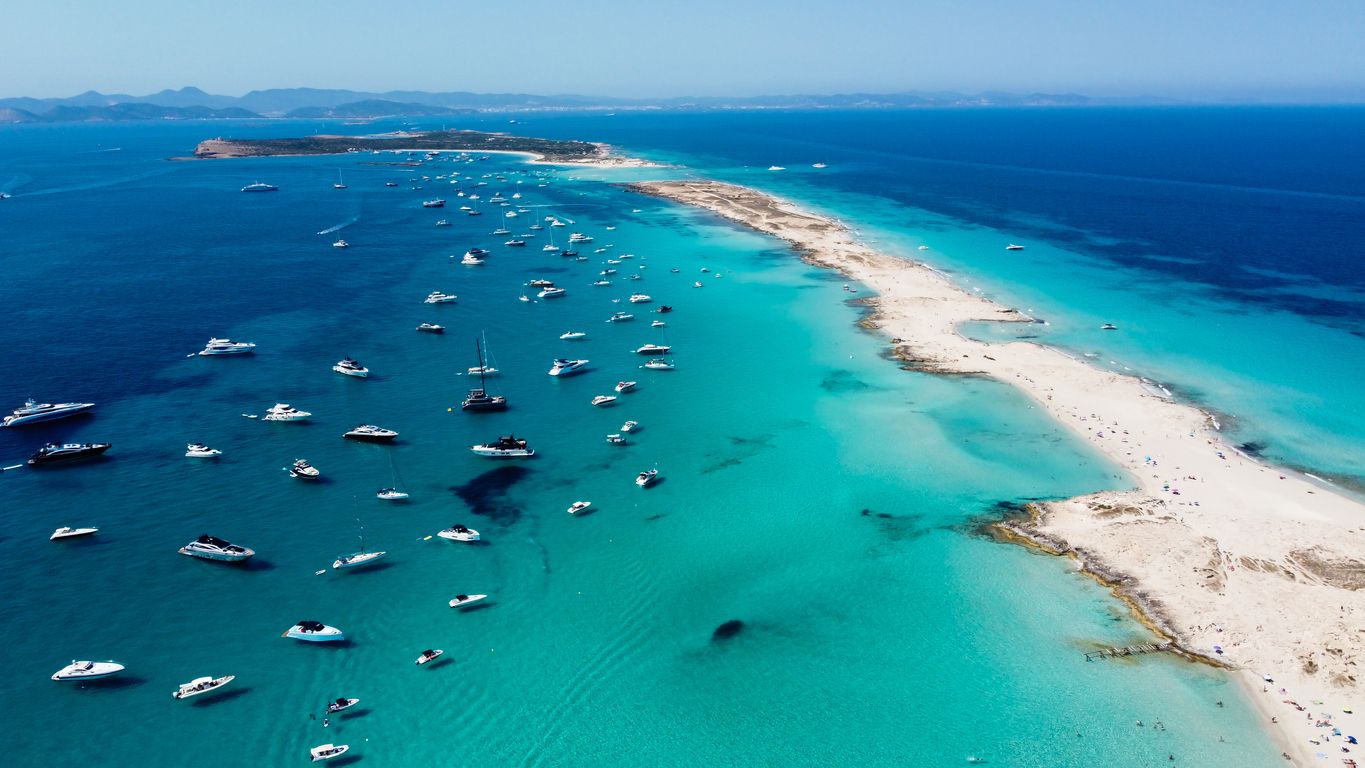
If your holiday revolves around the beach, the differences between the two island archipelagos become noticeable.
The Balearic Islands are famous for their calas: small, sheltered coves often framed by cliffs or pine forests. These beaches tend to be intimate and picturesque, with calm waters ideal for swimming.
Many of the most beautiful coves in Mallorca and Menorca require a short walk to reach them, which has helped preserve their atmosphere. The reward is often a beach that feels surprisingly secluded despite the islands’ popularity.
In the Canary Islands, the coastline tells a different story. Volcanic origins mean many beaches feature darker sand or pebbles, though there are also sweeping golden stretches such as the dunes of Maspalomas in Gran Canaria or the long shores of Fuerteventura.
The Atlantic also brings stronger waves, which is part of the reason the Canaries have become such a hub for surfers and water sports.
Balearics or Canary Islands: Which is better for beaches?
Choose the Balearics for calm, picturesque coves and classic Mediterranean beaches.
Choose the Canary Islands for wide beaches, surf and more dramatic coastal scenery.
Landscapes: Mediterranean vs Volcanic
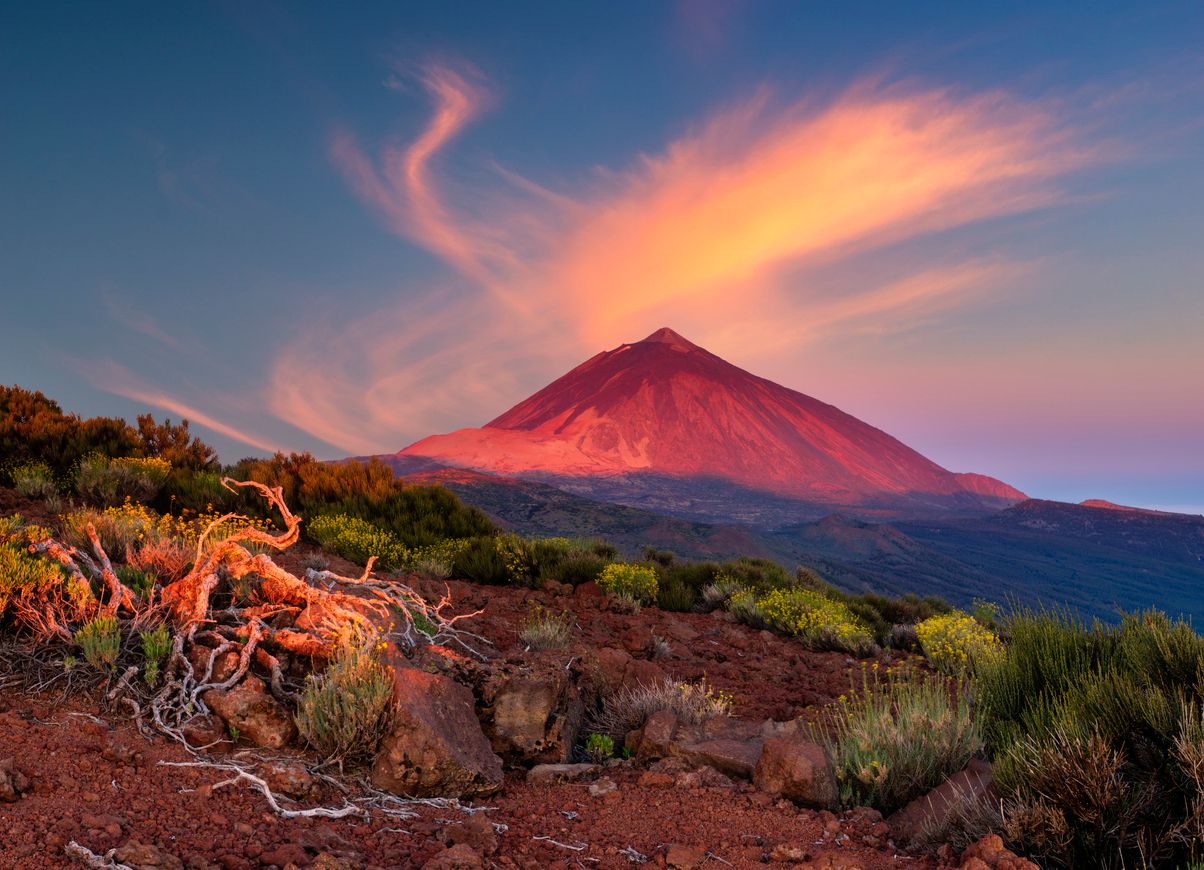
The landscapes of the two archipelagos feel fundamentally different.
In the Balearics, much of the scenery is shaped by agriculture and centuries of human settlement. Olive groves, almond orchards and terraced hillsides dominate the countryside. Stone villages sit among vineyards, and small harbours line the coast.
The Canary Islands, on the other hand, often feel more dramatic and untamed. Volcanic eruptions have carved vast valleys and cratered peaks into the terrain, while strong Atlantic winds shape the coastline.
Hiking in the Canary Islands can feel like exploring an entirely different continent. Trails cross lava fields, climb through volcanic craters and descend into forests that seem prehistoric.
Balearics or Canary Islands: Which is better for landscapes?
Choose the Balearics for softer, cultural landscapes shaped by history.
Choose the Canary Islands for raw, volcanic scenery and more dramatic terrain.
Food and Culture

Another noticeable difference between the islands lies in their culinary traditions.
The Balearic Islands remain closely connected to mainland Spanish cuisine. Markets overflow with olives, seafood and local cheeses, while traditional dishes reflect centuries of Mediterranean influence.
Mallorca’s rustic countryside restaurants, Ibiza’s contemporary dining scene and Menorca’s harbour seafood all highlight the region’s strong culinary identity.
In the Canary Islands, the cuisine reflects a different set of influences. Traditional dishes often combine Spanish techniques with ingredients shaped by the islands’ volcanic soil and Atlantic surroundings.
Local specialities such as papas arrugadas and freshly caught seafood remain staples across the archipelago.
Balearics or Canary Islands: Which is better for food and culture?
Choose the Balearics for classic Spanish cuisine and a stronger connection to mainland traditions.
Choose the Canary Islands for distinct local flavours shaped by landscape and location.
When Should You Visit?
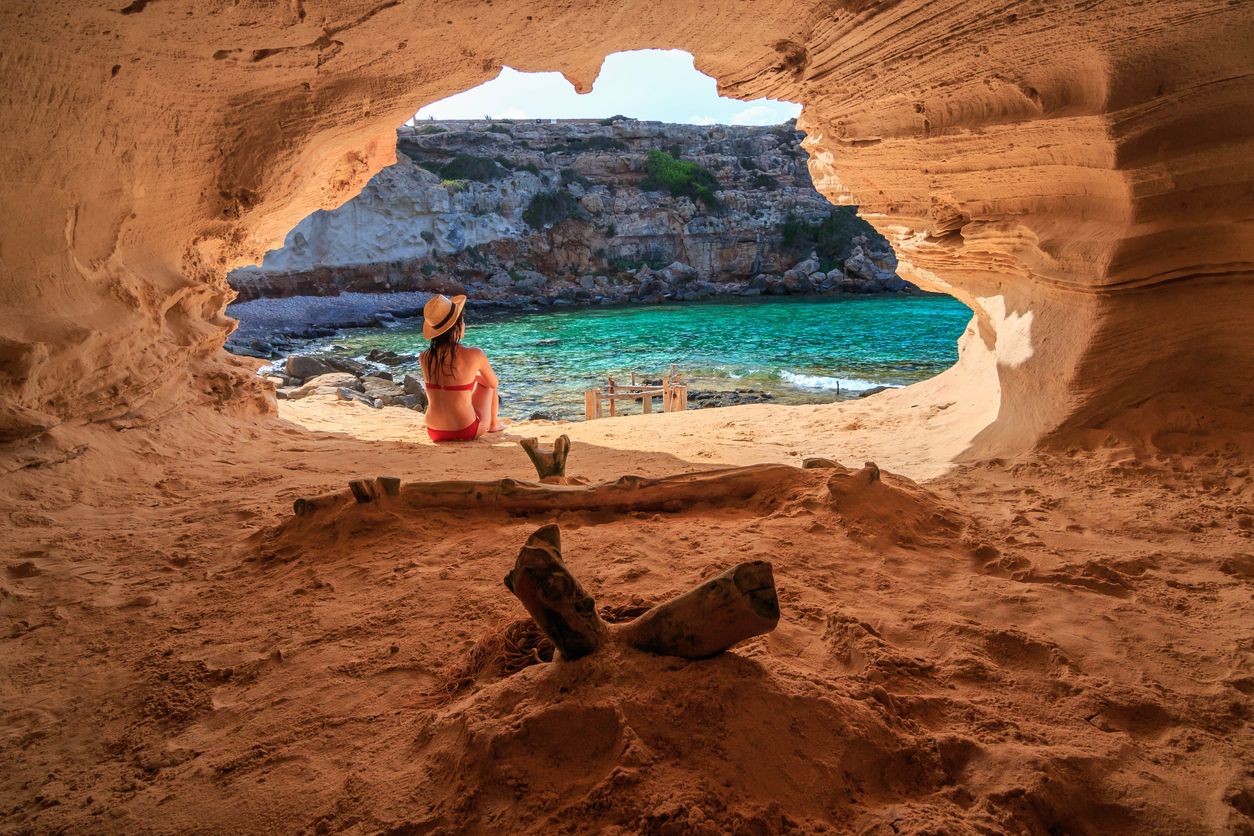
Timing can also play a role in choosing between the islands.
The Balearics shine during late spring, summer and early autumn. Long sunny days, warm seas and lively towns make this the classic Mediterranean holiday season.
The Canary Islands, meanwhile, are particularly appealing in winter. Their subtropical climate means temperatures remain pleasantly warm even when much of Europe is colder.
This is one reason the Canaries have become such a reliable winter escape.
Balearics or Canary Islands: Summer or winter?
Choose the Balearics for summer holidays, warm seas and lively atmosphere.
Choose the Canary Islands for winter sun and year-round travel.
Which Islands Should You Choose?
Both island groups offer remarkable travel experiences, but they tend to suit slightly different kinds of holidays.
Choose the Balearic Islands if you’re drawn to Mediterranean landscapes, historic towns and clear turquoise coves. The islands combine beaches, culture and countryside in a way that feels distinctly Spanish.
Choose the Canary Islands if dramatic scenery, volcanic landscapes and year-round sunshine appeal more. Their terrain feels more adventurous, and the Atlantic setting offers a different perspective on island life.
Reading about Spain’s islands is one thing but experiencing them is another. From the pine-fringed coves of the Balearic Islands to the volcanic landscapes of the Canaries, each archipelago offers a completely different vision of island life. Our collection of luxury villas in Spain places you at the heart of both. Whether you’re dreaming of a coastal villa in Mallorca, a countryside finca in Menorcaor a sun-filled escape in the Canary Islands, you’ll find homes designed for gathering, exploring and making the most of these extraordinary destinations.