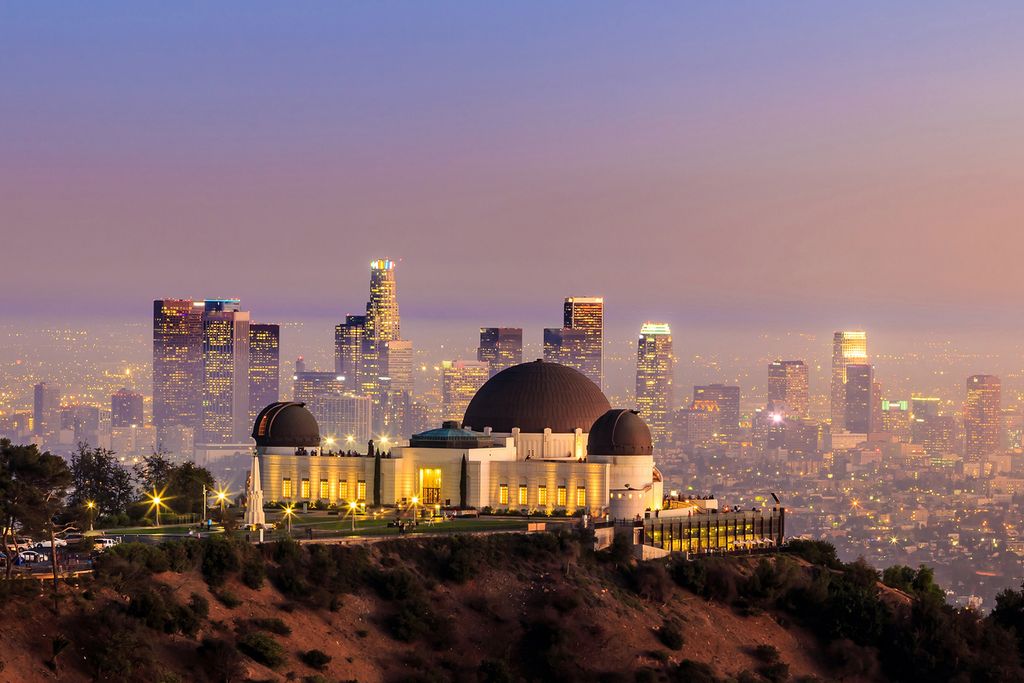
Los Angeles is often framed through spectacle: scale, shine, the promise of reinvention. Yet its cultural life unfolds more quietly, shaped by artists, musicians, architects and thinkers who have long worked beyond the spotlight. Look past the surface and the city reveals itself as one of the world’s most layered cultural landscapes, rewarding those willing to slow down and pay attention.
The Getty Center
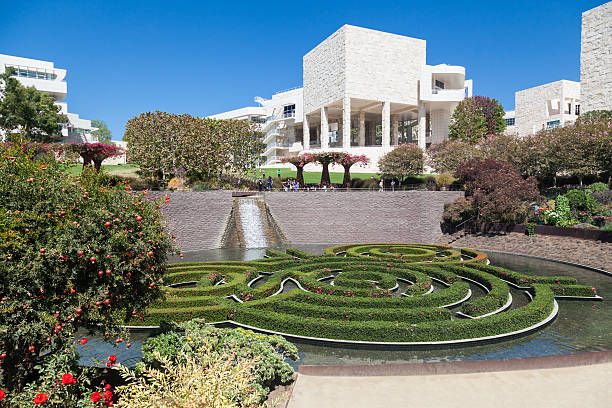
Few places embody the balance between grandeur and contemplation quite like the Getty Center. Set high above LA, its pale travertine buildings rise from the hillside like a modern acropolis, their geometry softened by gardens and long, open terraces. The collections span centuries of European and American art,pathways wind through sculpted greenery, and terraces open onto sweeping views of the city below.
At its heart, the Barbara and Lawrence Fleischman Theatre is an intimate, purpose-built space that hosts a rotating programme of talks, lectures, live performances and film screenings, often tied to the Getty’s exhibitions and research. Blurring the line between scholarship and creativity, the theatre draws artists, historians and audiences into an ongoing exchange of ideas.
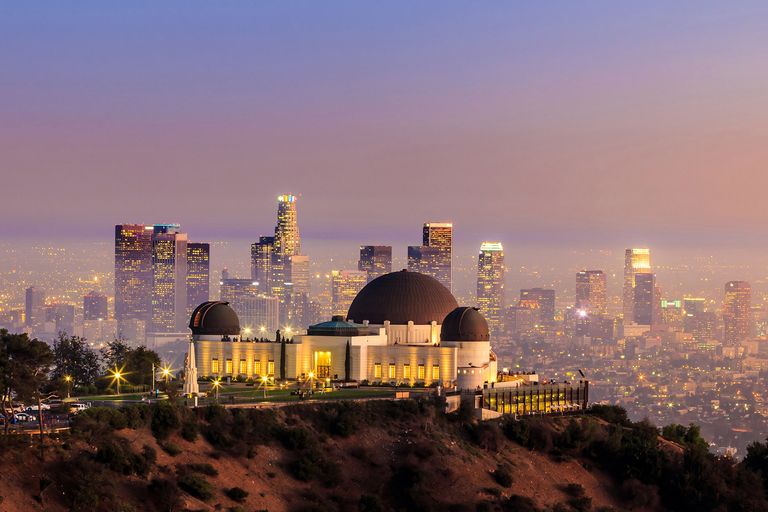
Griffith Observatory
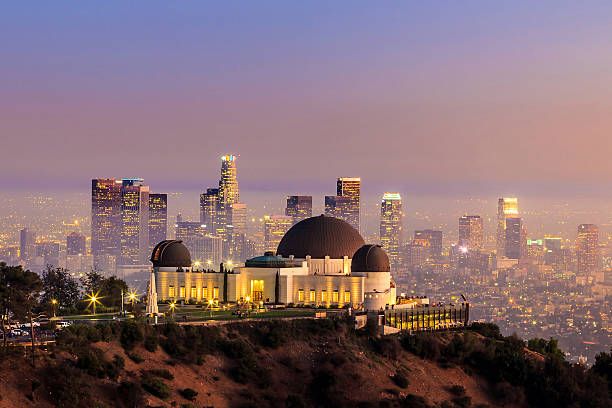
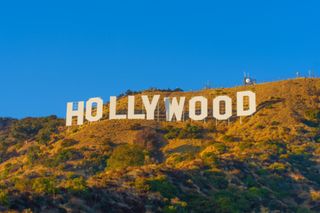
Across the city, the Griffith Observatory offers another defining ritual. Since the 1930s, Angelenos have climbed the slopes of Griffith Park to take in its views. By day, the city unfolds from coastline to canyon, the Hollywood Sign etched into the hills. After dark, attention turns upward. Telescopes scan the night sky as the city lights fade and the stars take over. It’s a place where science meets the cosmos, and LA’s enduring fascination with possibility feels most tangible.
Sunset Strip
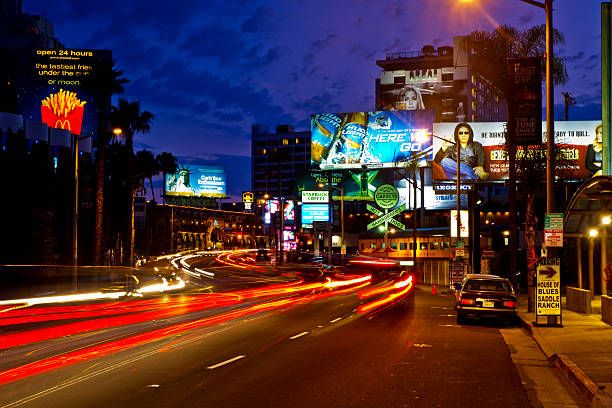
The pull of actors to Los Angeles has long been documented. The myth of the star, turning Norma Jeanes into Marilyns. But music runs just as deep. In the 1960s and ’70s, Laurel Canyon became a quiet refuge for musicians drawn to its seclusion. Joni Mitchell, Brian Wilson and Cass Elliot wrote and lived among its winding roads, shaping a sound that still lingers. Just listen to California Dreamin’ and feel the trails come alive or play Ladies of the Canyon and watch the whole world light up.
Not far below, the Sunset Strip told a louder story. Sweat-soaked venues hosted residencies from The Doors in the 1960s, while Jimi Hendrix, Janis Joplin, Led Zeppelin and Frank Zappa all left their mark on its stages. In the decades that followed, Fleetwood Mac, The Eagles, Prince and Patti Smith continued the lineage. Venues like Whisky a Go Go and The Roxy still stand, carrying that history into the present.
Amoeba Music
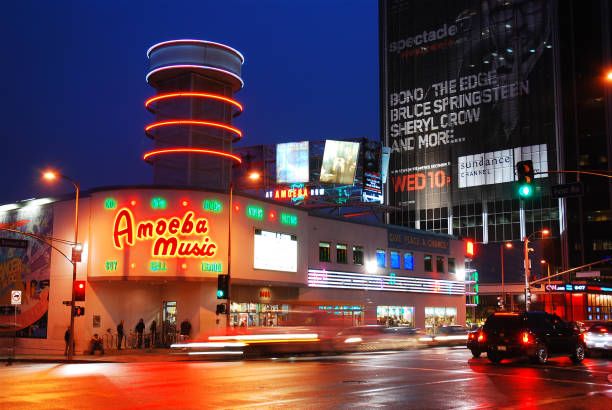
Around the corner, Amoeba Music – the world’s largest and arguably most iconic record store – stands as a temple to LA’s devotion to sound. Vast, democratic and gloriously unpretentious, it’s a place where vinyl collectors, casual browsers and touring musicians still cross paths.
Rose Bowl Flea Market
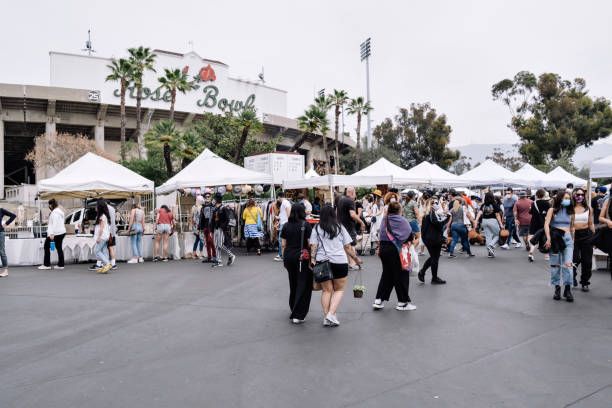
Shopping, too, reflects Los Angeles’ cultural contrasts. The Rose Bowl Flea Market is a living archive of Californian style: vintage denim, mid-century furniture, rare vinyl and forgotten ephemera spread across endless rows.Stylists, designers and collectors arrive early, hunting for pieces that carry a sense of history.
Rodeo Drive
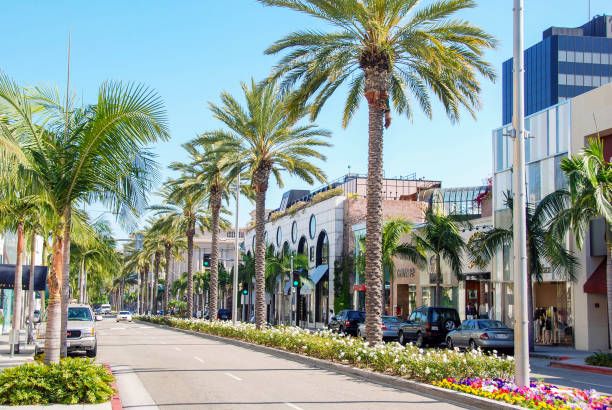
In Beverly Hills, Rodeo Drive presents a different expression altogether. Its palm-lined streets are lined with heritage fashion houses and flagship boutiques.
While often associated with luxury and indulgence, the street also reflects Los Angeles’ role as a global trendsetter Even a short stroll offers a glimpse into the aspirational image the city projects.
Dolby Theatre
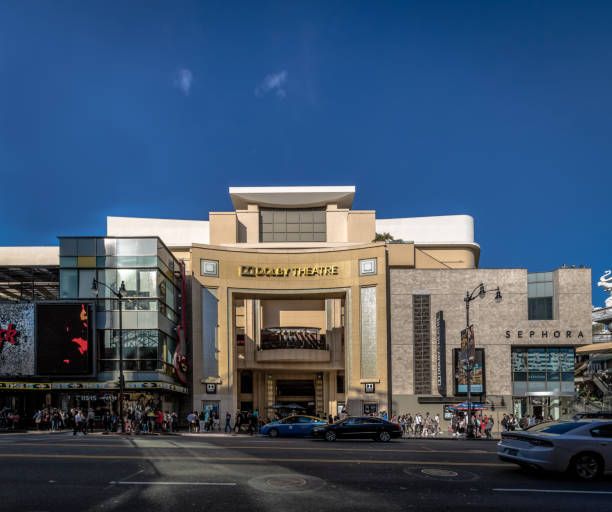
Hollywood’s institutions continue to anchor the city’s global image. The Dolby Theatre is home to the Academy Awards, its stage etched into collective memory through decades of cinematic history.
Outside awards season, guided tours explore the theatre’s design and the stories embedded in its walls, from legends of the Oscars to technical innovation.
Hollywood Bowl
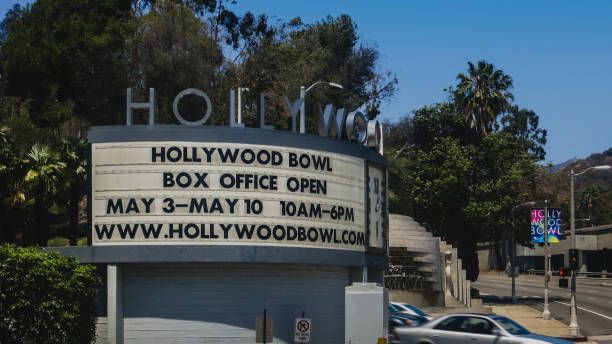
The Hollywood Bowl offers something more expansive. Built into the hills, it has hosted orchestras, jazz legends and contemporary artists beneath open skies for over a century.
Picnics unfold on terraced benches, the city glows beyond the stage, and music drifts out across the canyon.
Studio Tours: Paramount, Warner Bros.
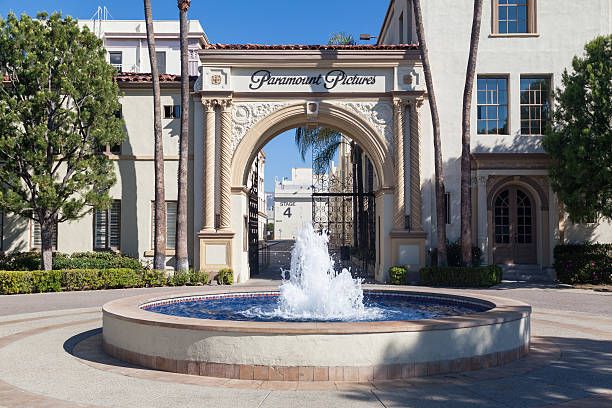
Studio tours at Paramount and Warner Bros. pull back the curtain further, revealing the backlots and sound stages where cinematic worlds are assembled.
From historic façades reused across decades to active production sets, these tours demystify the mechanics of Hollywood while highlighting the craft behind the spectacle. They offer a rare look at the working heart of an industry that continues to shape global culture.
Hollywood Forever Cemetery
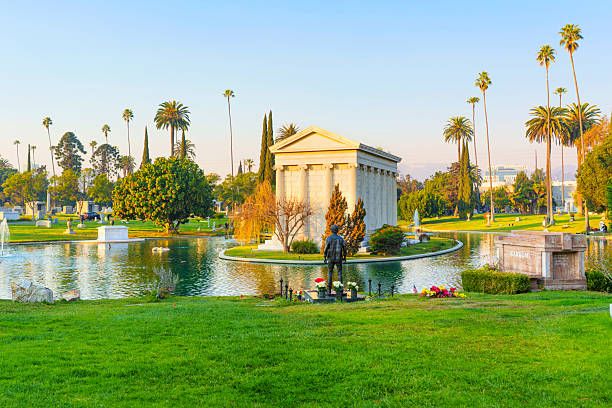
Despite its persistent mask of glamour – the perfect manicure of palm, the glowing neon lights – Los Angeles can’t help but reveal its humanity. Contrasts are etched into the fabric of the city, where the reels that never fade are granted their own resting place. Hollywood Forever Cemetery is both a burial ground for screen legends and a space for quiet reflection. Between modest headstones lie figures who shaped the myth of American cinema, their fame softened by time. Peacocks wander the grounds, palm trees cast long shadows, and the city’s noise recedes, offering a rare pause in a place that’s always in motion.
Chateau Marmont
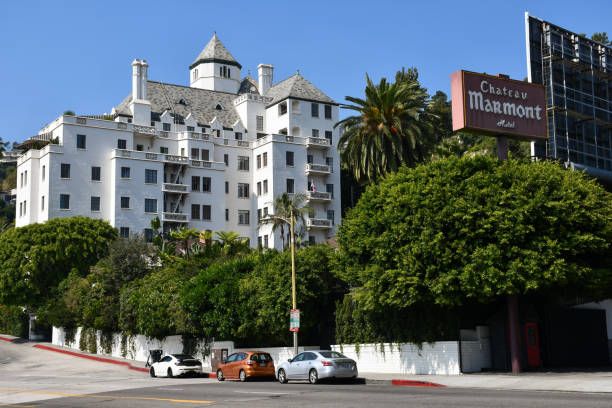
Nearby, Chateau Marmont stands as a symbol of old-school Hollywood glamour, its walls steeped in stories of writers, actors and artists who sought refuge there during moments of triumph and excess. Once described by Bette Davis as a place where “you can get away with murder,” the hotel became a discreet sanctuary for those navigating fame, among them Greta Garbo and Humphrey Bogart, titans of the Golden Age. It remains a rare link between Hollywood’s past and present.
Huntington Library and Gardens
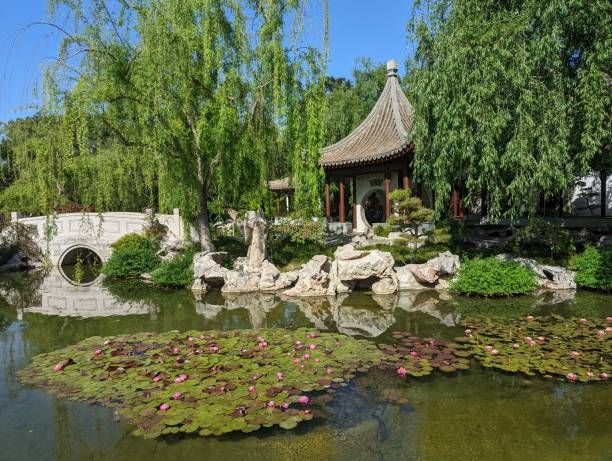
Beyond the city centre, the Huntington Library and Gardens offers a complete change of tempo. Botanical landscapes unfold across themed gardens and rare manuscripts sit alongside art.
Rose gardens, Japanese landscapes and sunlit galleries invite slow meandering, as you wander into LA’s lesser-known relationship with scholarship and preservation.
Architecture and After Dark
As evening falls, Los Angeles becomes more intimate. Largo hosts comedy and music in stripped-back rooms, where surprise appearances are part of the appeal. Drive-in cinemas preserve a distinctly Californian ritual, films flickering against the night as audiences settle in from their cars.
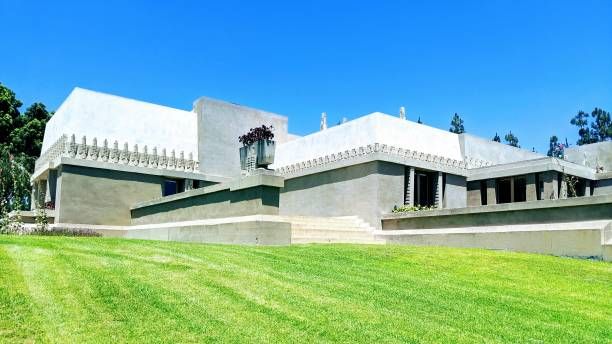
Architecture threads through it all. Frank Lloyd Wright’s Hollyhock House – a UNESCO world heritage site – speaks to early modern ambition, built as an ode to California between 1918 and 1921, while Spanish Revival homes cling to hillside streets.
Los Angeles reveals itself gradually, much like its neighbourhoods. High art sits alongside underground scenes; spectacle gives way to stillness; history and reinvention exist without contradiction. It’s a city best experienced slowly, with time to move between its buzziest neighbourhoods and quiet corners. Look closely, and LA becomes less about the image you arrive with and more about the stories you uncover along the way.
Ready to turn inspiration into plans? Explore our handpicked villas in Los Angeles and begin shaping your 2026 villa holiday. For more ideas, discover our Extraordinary Characters and find the destination that fits your travel style.