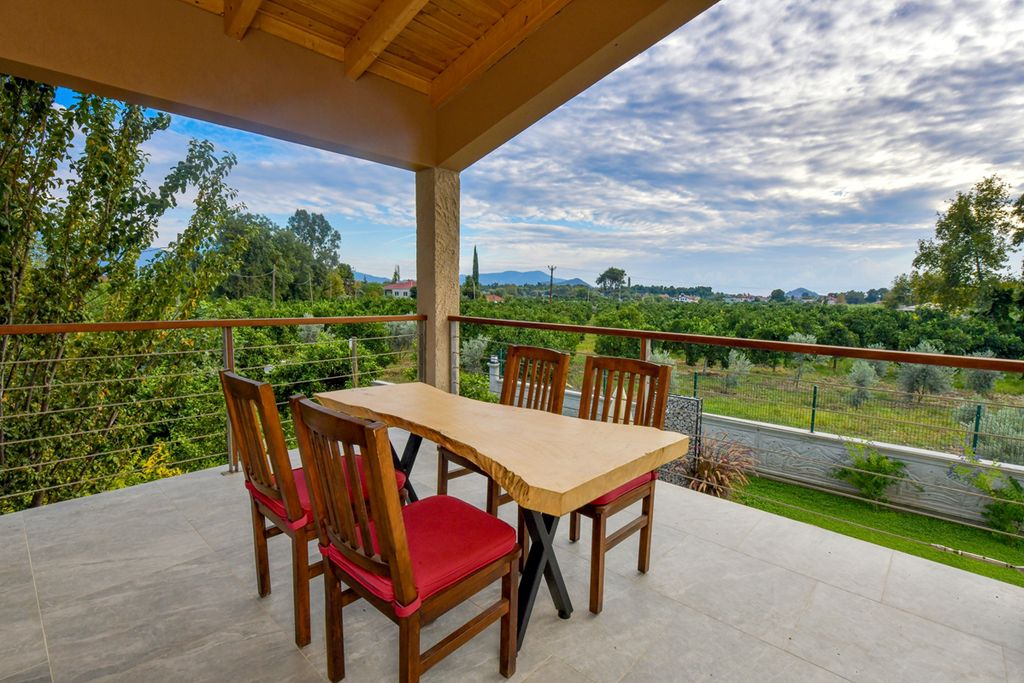
Situated between swanky Gocek and popular Fethiye, discover the charm of Yanıklar, a hidden gem near Fethiye on Turkey's stunning Mediterranean coast. British tourists will love its tranquil beaches, lush pine forests, and opportunities for eco-friendly adventures like hiking and bird-watching.
The town of Fethiye, with is Marina is perhaps the jewel of the Turquoise Coast. This historic city was once the most important in Lycia, and these days it’s a well-connected place with a lot to see. Destinations within reach include Oludeniz, Kas, the sunken city of Kekova and Butterfly Valley.
The area’s history gives you plenty of archaeological sites to visit, with the Tombs of Amyntas in the cliffs of Fethiye one must-see. At more than 2400 years old, the tombs provide a wonderful view as well. Behind the harbour is the Telmessos Roman theatre, built in the 2nd century BC, which is in the process being restored. Nearby, Fethiye Museum contains exhibits of artefacts from Telmessos (as Fethiye was formerly known), Kaunos and Tlos.
The ‘ghost village’ of Kayakoy is a fascinating, abandoned village in the mountains with crumbling houses and churches, where Greeks and Turks once lived side by side, and well worth exploring further. Discovering the full history of the place will make your visit even more interesting.
Göcek is a haven for British yachting enthusiasts. Known for its stunning marina and crystal-clear waters, Göcek offers luxurious resorts, charming boutiques, and tranquil coves perfect for sailing and relaxation. Explore the nearby Twelve Islands, indulge in delicious Turkish cuisine along the waterfront or just wander down the main street of fashinonable boutiques.
If you want to explore the region further, be sure to make some excursions to the likes of Saklikent Gorge. With the deepest gorge in Turkey, this spectacular national park offers various activities from hiking through the water of the gorge itself to zip-lining. Other places of interest include the lengthy Patara Beach and the many mud baths of Dalyan. Jeep safaris are a popular way to see the most significant local landmarks, including these.
The Region
Situated on the ancient city of Telmessos, Fethiye is named after one of its most famous ‘sons’, the aviator Fethi Bey. An earthquake in 1957 damaged central Fethiye, so many of its buildings have been built since then.You can, however, see a Lycian theatre, Lycian tombs (including the rock tomb of Amyntas) and visit the Fethiye museum for more history and artefacts. The centre of Fethiye boasts a covered market area, half of which is given over to the local fish market where you can choose your catch from one of the centre stalls and then get it cooked in any of the surrounding restaurants. The whole of the area is shadowed by the mountain of Babadag where paragliders take to the skies, landing on the beach at Oludeniz.
Fethiye’s Tuesday market is worth a visit. Traders come from the outlying villages to sell the wares from their smallholdings. Furrowed browed men with cloth caps, and ladies in floral bloomers will sell their produce amongst the lads trying to get you to buy their designer fakes! It’s all in good humour. Try a little bartering and see if you can do some good business. Go to the spice stall and you will get some amazing spices. Look for the Kar Serbeti, like a cinnamon slush or Ayran, a salty yoghurt drink both guaranteed to cool you down.
Oludeniz & Calis are where people tend to flock for a beach but there are now a few private beach clubs along the coast between Oludeniz and Fethiye which are worth a visit. There are also beach clubs situated around the lagoon, all with sunbeds, restaurants and drinks service. Hisaronu is more commercialised and hosts a large selection of bars, restaurants and gift shops.