Luxury Villas & Apartments in San Sebastián

Find Your Extraordinary

San Sebastián Villa Holiday

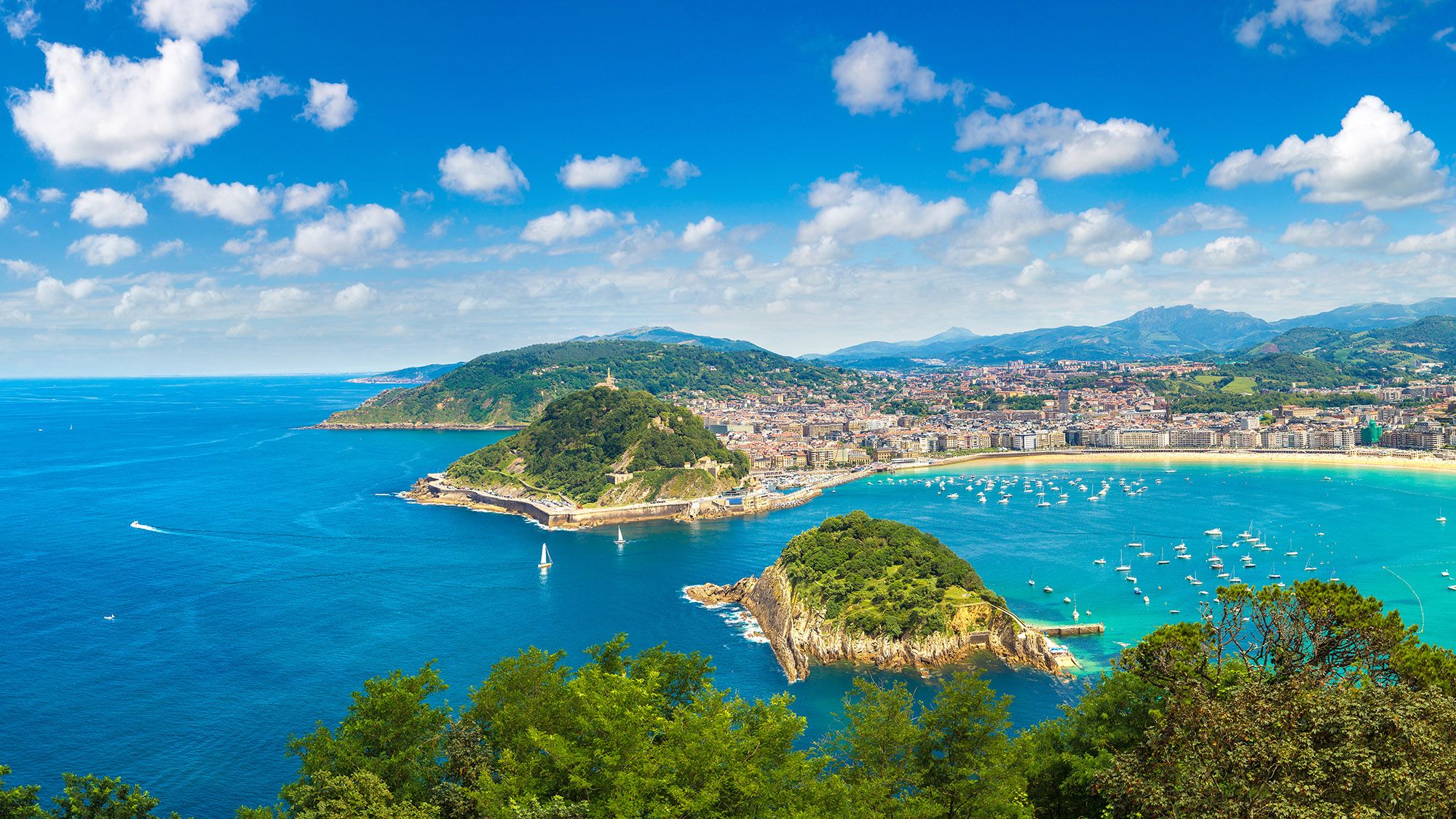
Perched on the tip of northern Spain, the Basque Country invites you into a world of elegance, exclusivity, and gastronomy. This is San Sebastián – or Donostia, as it’s known locally – where sparkling seas bend into cerulean crescents, and the world’s finest culinary creations dance on your tongue.

If you’re a food lover, welcome to paradise. With Europe’s highest concentration of Michelin stars, San Sebastián secures its place among the planet’s most extraordinary dining destinations.

When you’re not lingering over pintxos, the city urges you to slow down with its serene beauty. Sweeps of golden sand curl along La Concha Bay, Belle Époque architecture graces the Centre, and a cultural rhythm pulses through the streets.

Our luxury villas are made for moments like these: sanctuaries to return to, belly full, eyes wide, grinning about everything you’ve just seen (and eaten).

San Sebastián Travel Guide

Why stay with us?

Our handpicked homes blend the city’s charm with the very best of luxurious living. Curated by our destination experts, each villa comes with carefully considered amenities for a seamless stay. A true home from home – ready for you to come back, relax, and soak in every moment.

For those extra special stays, our concierge team is on hand to help with any additional touches. Consider them your holiday genie, here to help with planning and recommendations.

Eat like a local

Of San Sebastián, Anthony Bourdain once declared, “There’s no better place to eat in Europe.” Step inside any bar and you’ll see why: tortillas spill with molten egg, steaks blush pink like a secret, and cheesecakes collapse into custard.

At the heart of it all are pintxos: bite-sized jewels of Basque cuisine. Originating in San Sebastián in the 1930s, the name, meaning ‘spike’ or ‘skewer’, comes from the toothpick that once held these tiny treasures together.

Today, pintxos have evolved into an art form, and the city is full of unforgettable examples. Start with the Gilda: San Sebastián’s most iconic bite, first created at Casa Vallés. Sharp, salty anchovies pair perfectly with briny olives and spicy, tangy guindilla peppers. For the more indulgent, go for carrillera – melt-in-the-mouth beef cheeks, slowly braised in rich, red wine until they break apart with the touch of a fork. Or pulpo, tender octopus, chargrilled to smoky perfection and dusted with paprika.

Whatever you do, don’t leave without trying the tortilla de patatas – arguably the most famous of the pintxos. Savoury onions and fluffy potatoes melt into this legendary trio. At Bar Nestor, only a handful are made each day, and securing a slice is a rite of passage for many food lovers.

Sun and sea in San Sebastián

Playa de la Concha

Just moments from the bustling centre lies a serene escape of sand and sea. There aren’t many cities that have beaches in their centre – and even fewer have been voted the best in Europe. But Playa de la Concha isn’t just unique because of its location, next to the town hall and shopping district; its history is fascinating.

In 1845, Queen Isabel II was advised to bathe in the sea as a remedy for her skin problems. Her preferred waters: the bay of Playa de la Concha. After visiting the striking sands, Isabel II made it her beach of choice, and the aristocracy followed.

Generations later, the Royal Family built their summer residence – Miramar Palace – over La Concha Bay, cementing it as one of Spain’s most exclusive destinations.

Today, tourists and locals enjoy the calm waters of Playa de la Concha. And as the largest and most popular beach, with sands stretching 1,350 metres, there’s space for everyone to enjoy this beloved shoreline.

Santa Clara Island

Sitting opposite Playa de la Concha, Santa Clara Island is a striking sight: a rugged, rocky islet rising wildly from the Cantabrian Sea. As you stroll along La Concha Bay, it’s impossible to miss. Covering just over five hectares, this picturesque island can be reached by boat or by swimming.

Motoras de la Isla has ferried visitors here for over 80 years, with daily sailings from the 1st of June to the 30th of September, as well as on public holidays throughout the year. For confident swimmers, the island is only half a kilometre from the coast and is accessible during summer and favourable sea conditions.

The island is small enough to be explored in just a few hours – but make the beach a priority as it’s only exposed at low tide. After that, try out the natural pool at the far end. For breathtaking views, the beach bar looks out towards Playa de la Concha and serves food and refreshments during the summer months.

A visit to the lighthouse can’t be missed. Built in 1864 on the site of the island’s former chapel, its beam flashes once every five seconds, giving you plenty of chances to see it in action. While there, seek out Hondalea – a dramatic installation sculpted in the keeper’s house. The building had been abandoned since the 1960s before the native sculptor, Cristina Iglesias, recovered it to house her striking work.

Ondarreta Beach

Starting from the port, follow the famous white railings along the Paseo de la Concha and you’ll find Ondarreta Beach.

Less crowded than its famous neighbour, this stretch of sand is perfect for those chasing a quieter retreat for the whole family. Nestled in the western end of the bay, its location protects it from strong waves, offering a safe and quiet bathing spot, perfect for the little ones.

Families can also find a children’s playground, where the youngest can burn off some energy while the adults soak in the sun. For the more active, try your hand at canoeing and paddle surfing, or play a game of beach volleyball and football on the sand.

Art lovers, take a stroll to the end of the beach. At the foot of Mount Igeldo, you’ll find Peine del Viento, or The Comb of the Wind, one of the most celebrated sculptures by Basque artist, Eduardo Chillida.

Oliver's Hidden Gem

Gros is San Sebastián’s hub of creativity, just a 10-minute walk from the Centre. Here, great food, nightlife, and concerts are as much a part of daily life as the surf. Expect a younger, more bohemian vibe, with live music, a wider range of vegan options, and a buzzing energy that lasts late into the night.

Neighbourhoods of character

San Sebastián’s neighbourhoods are an invitation to explore. In the cradles of this city, there’s something for everyone to enjoy – quiet beaches, buzzing bars, extraordinary architecture. This is a place that speaks to every soul in some way.

Antiguo

Despite being two kilometres from the Old Town, Antiguo is actually where the first Donostiarras resided. Home to Ondarreta Beach and the grand Miramar Palace – the Royal Family’s former summer residence – it’s quiet, luxurious, and endlessly elegant, just moments from the bustle of the Centre.

Old Town

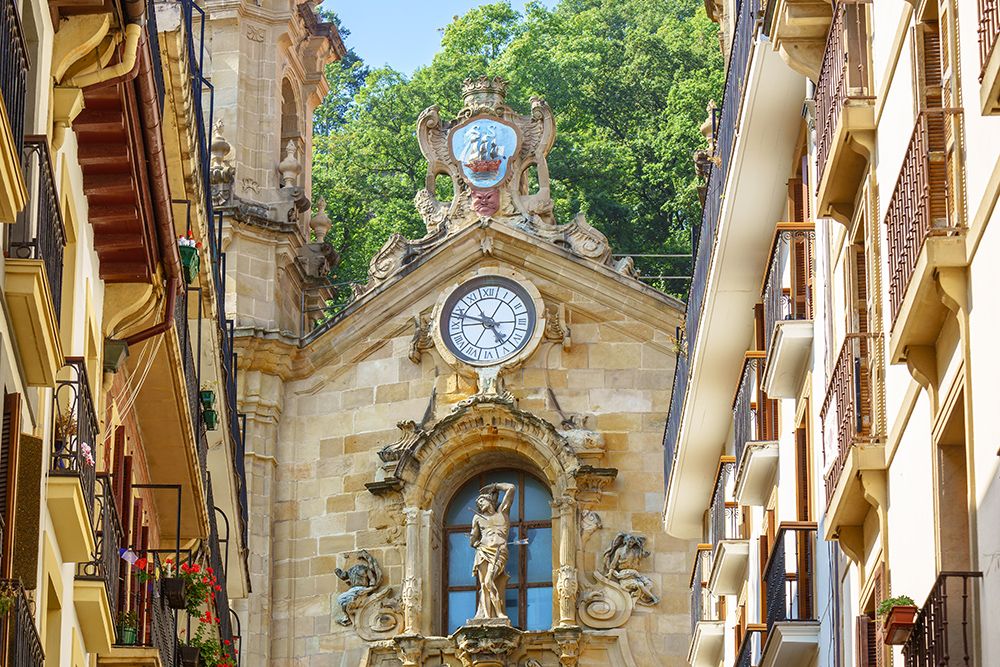
Take a slow stroll from Antiguo along La Concha Bay until you reach the Old Town. This is the heart of the city’s pintxo culture, where the rich aromas of buzzing bars fill the air. While there, make sure to stop at Plaza de la Constitución – once a bullring, now the lively central square – and the Basilica of Santa María del Coro: a beautiful 18th-century Baroque church at the foot of Monte Urgull.

The Centre

From the Old Town, simply cross the Boulevard and you’ll find yourself in the Centre. You’ll know you’ve arrived when Belle Époque architecture lines the streets, as if you’ve stepped inside a postcard of the past. Pause for a spot of shopping, sip a fragrant coffee, and soak up the elegance of the Alderdi Eder gardens and La Concha promenade.

San Sebastián travel: Getting there and around

San Sebastián sits on Spain’s northern coast, close to the French border. Despite its exclusive feel, it’s easy to reach by air, rail, and road – with options to suit every traveller.

By plane

San Sebastián Airport (EAS) is just 20 km away but offers limited international connections. For wider choice, fly into Bilbao Airport (BIO), about 100 km away, or Biarritz Airport (BIQ) across the French border, just 50 km away. All three have car hire desks and transfer options.

By car

Driving into San Sebastián is straightforward, especially if you want to explore the Basque coast or nearby Rioja wine region. Within the city, however, parking can be tricky and is heavily regulated:
Blue zones: pay at the metre.
Green zones: mostly for residents; more expensive if available.
Red zones: paid parking only, usually in tourist areas.
If staying centrally, it’s often best to leave your car and explore on foot.

By train

Renfe connects San Sebastián with major Spanish cities. Madrid to San Sebastián takes around 5 hours on the high-speed Alvia service, while Barcelona is about 6 hours away. From France, SNCF links Biarritz and Bordeaux directly with the city.

By bus

San Sebastián’s modern bus station links the city with Bilbao, Pamplona, and even international destinations like Biarritz or Bordeaux. ALSA is the main operator for longer-distance routes.

By foot & bike

San Sebastián is compact and walkable. Most sights, beaches, and neighbourhoods are easily reachable by foot. The city also has an excellent network of cycle lanes and bike hire is widely available.

Loading reviews...