

Marrakech Travel Guide
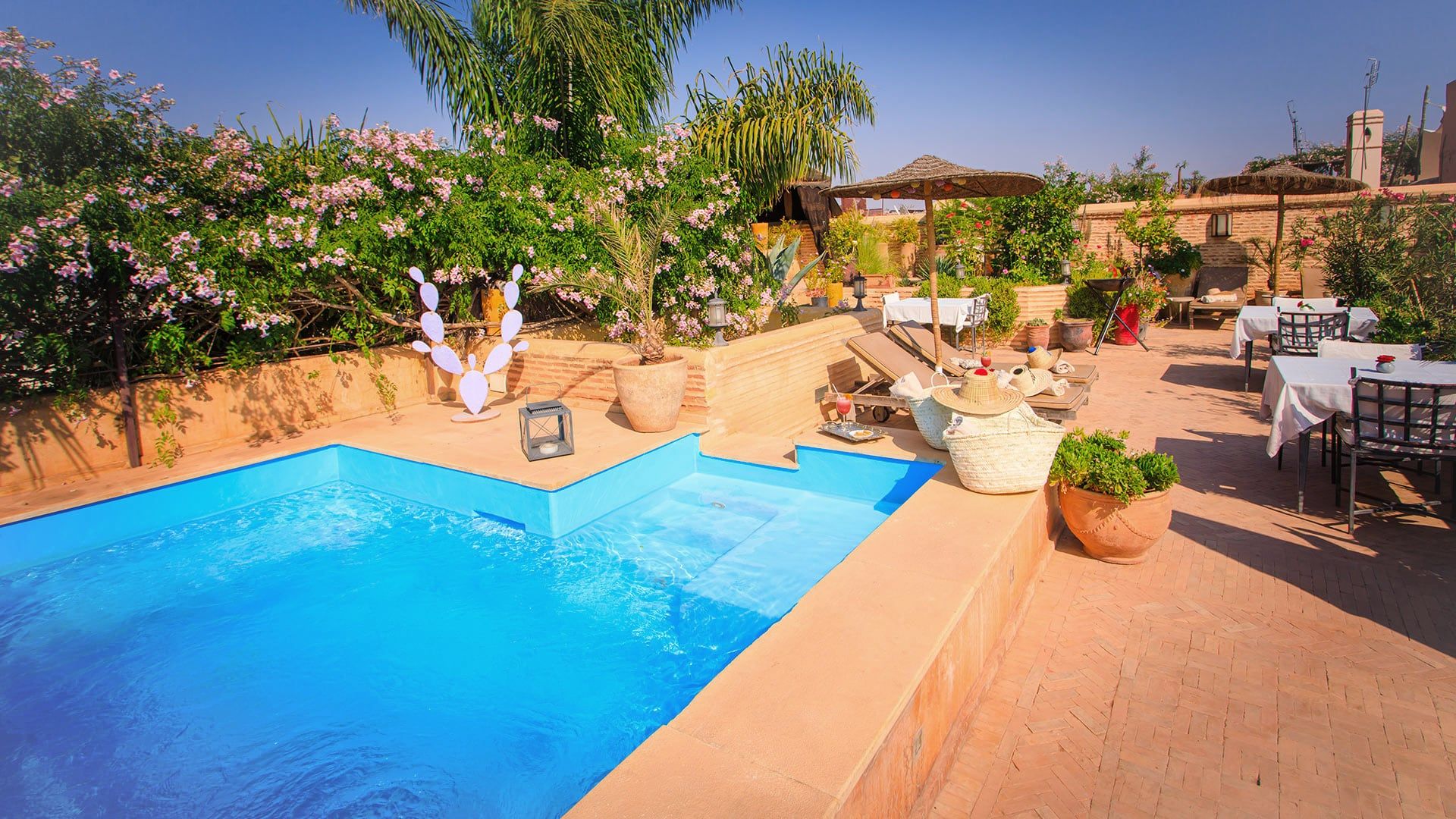
Once you arrive in Marrakech, it’s easy to see why it’s known as the Red City. Sun-bleached riads and terracotta ramparts glow beneath desert light, painting the landscape shades of copper and gold. Wander through the maze of markets and find surprises on every corner. Silken fabric, intricate pottery shaped by steady hands, the air rich with fragrant spices, inviting you to try flavours that glimmer like jewels on your tongue. Whether you’re here for the cuisine, the culture, or the craftsmanship, a Marrakech holiday is best enjoyed from your very own Oliver’s Travels villa.
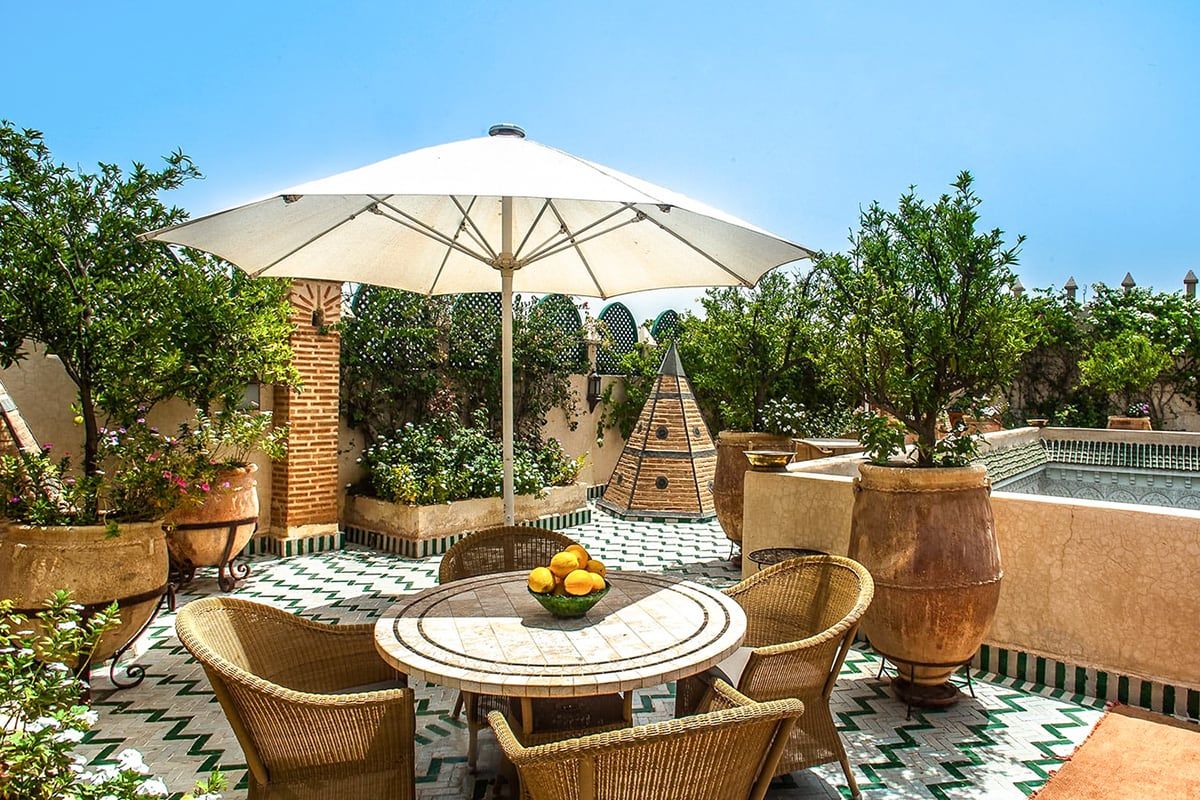
Our handpicked Marrakech homes capture the spirit of the city, a blend of timeless design and gentle luxury that are unmistakably Moroccan. Each riad and villa has been carefully chosen by our destination experts for its beauty, comfort, and sense of calm amid the city’s vibrant rhythm.
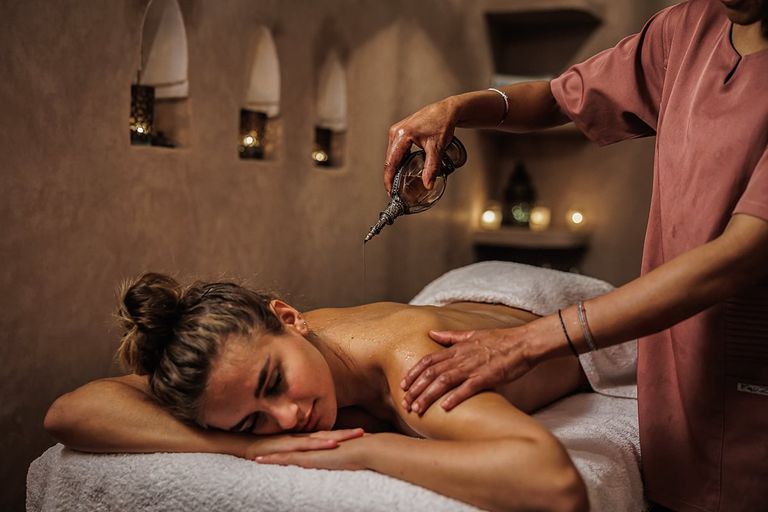
For something truly special, our concierge team is on hand to make the magic happen. From private hammam sessions to sunset dinners beneath lantern-lit skies, think of them as your key to Marrakech’s hidden moments.
Culture seeps through every corner of Marrakech. Ornate palaces, ancient tombs, beautiful gardens. This is a city rich in heritage and history, waiting to be explored.
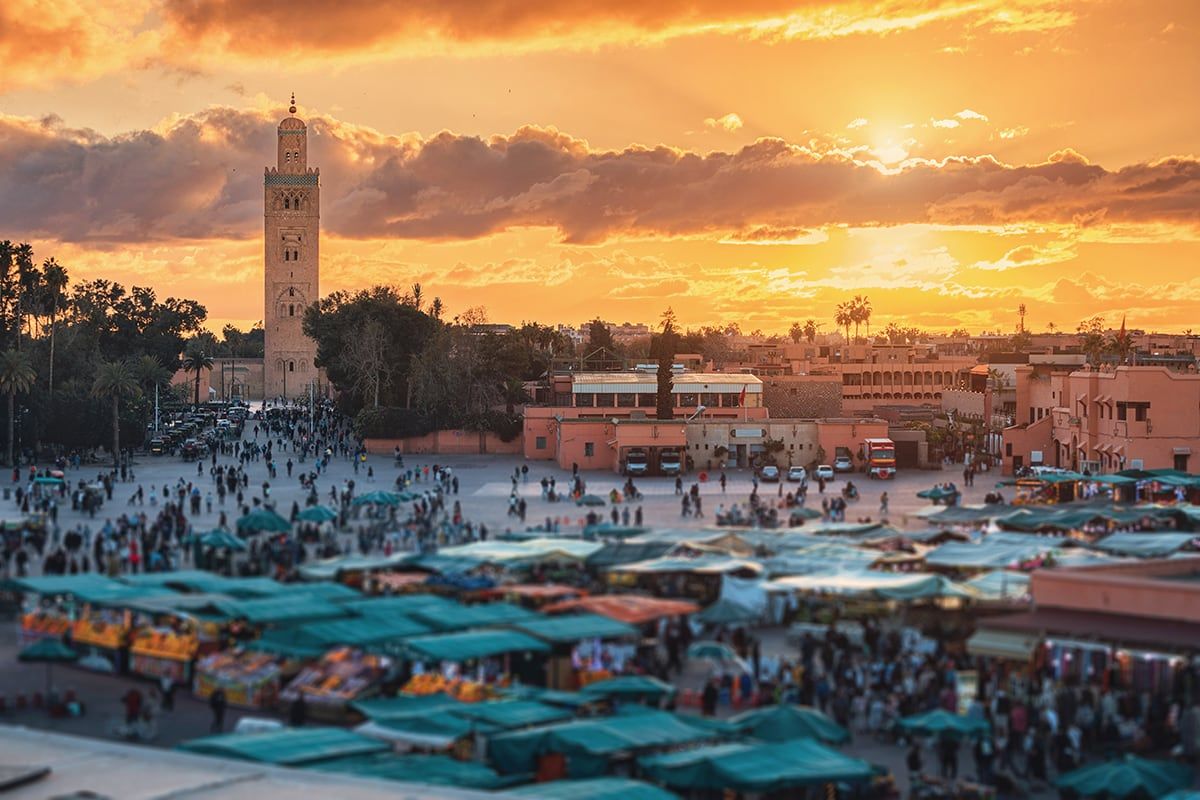
Start at Bahia Palace, a 19th century masterpiece of marble courtyards, zellij tiles, and painted ceilings framed by lush gardens. Each room decorated with stunning stuccos, paintings and mosaics, offering an insightful glimpse into Morocco’s royal past. Then, look up. The Koutoubia Mosque, with its elegant minaret rises above the medina. This is Marrakech’s defining landmark, and largest places of worship, visible from almost anywhere in the city.
For lovers of art and design, few places capture Marrakech’s creative soul like the Musée Yves Saint Laurent, a celebration of the French designer’s long love affair with Morocco. Just next door lies the legendary Jardin Majorelle, where cobalt walls meet a tapestry of plants, cacti, and rustling palms. Once the private sanctuary of Saint Laurent himself, it remains one of the most enchanting escapes, home to 15 species of birds found only in North Africa.
Beyond the walls of the medina, Gueliz is the modern face of Marrakech, alive with art galleries, design studios, and cafes, where the city’s new generation of creatives gather.
Iconic monuments: Bahia Palace, Saadian Tombs, El Badi Palace, Koutoubia Mosque
Museums and gardens: Jardin Majorelle, Musée Yves Saint Laurent, Le Jardin Secret, Menara Gardens
Contemporary culture: Gueliz district: art galleries, design studios, cafés
Visit Jardin Majorelle before the crowds arrive, then step next door to the YSL Museum for the perfect unhurried start to your Marrakech morning.
In Marrakech, wellness is woven into the very fabric of the city, a ritual as natural as the hum of the souks or the winding lanes of the medina. Hammams crown the city as havens of tranquility. Step inside these tiled sanctuaries and you’ll see why. Heated rooms open into soft pools of light and the air fills with eucalyptus and rose. As the steam rises so does the sense of calm, as you indulge in this centuries-old tradition of cleansing and renewal.
Beyond the city, nature offers its own form of restoration. The Atlas Mountains promise stillness in motion with winding trails, crisp air, and sweeping views. A little farther north, the Ouzoud Waterfalls tumble through olive groves, inviting a cooling pause beneath the spray before the sun warms your skin again.
The heartbeat of Marrakech lies within its medina, a maze of narrow lanes alive with colour, craft, and conversation. Here, centuries of tradition meet daily life: artisans hammering brass by hand, weavers working looms in shaded workshops, the scent of leather and spice filling the air.
Step into the souks, where craftsmanship is everything. The vast Souk Semmarine is the city’s most famous, its passageways lined with handwoven rugs, lanterns that scatter light like stained glass, and stacks of ceramics painted in cobalt and saffron. Each turn reveals a new discovery, slippers of soft leather, delicate silver jewellery, baskets woven from palm leaves.
Beyond the bustle, the Mellah, Marrakech’s historic Jewish quarter, offers a slower pace. Wander through spice stalls rich with cumin and rose, and watch artisans at work on intricate metal and wood carvings.
This is where Marrakech reveals its true spirit: part theatre, part tradition; always unforgettable.
Don’t rush the souks. Smile, bargain, and enjoy it. Haggling is half the fun.
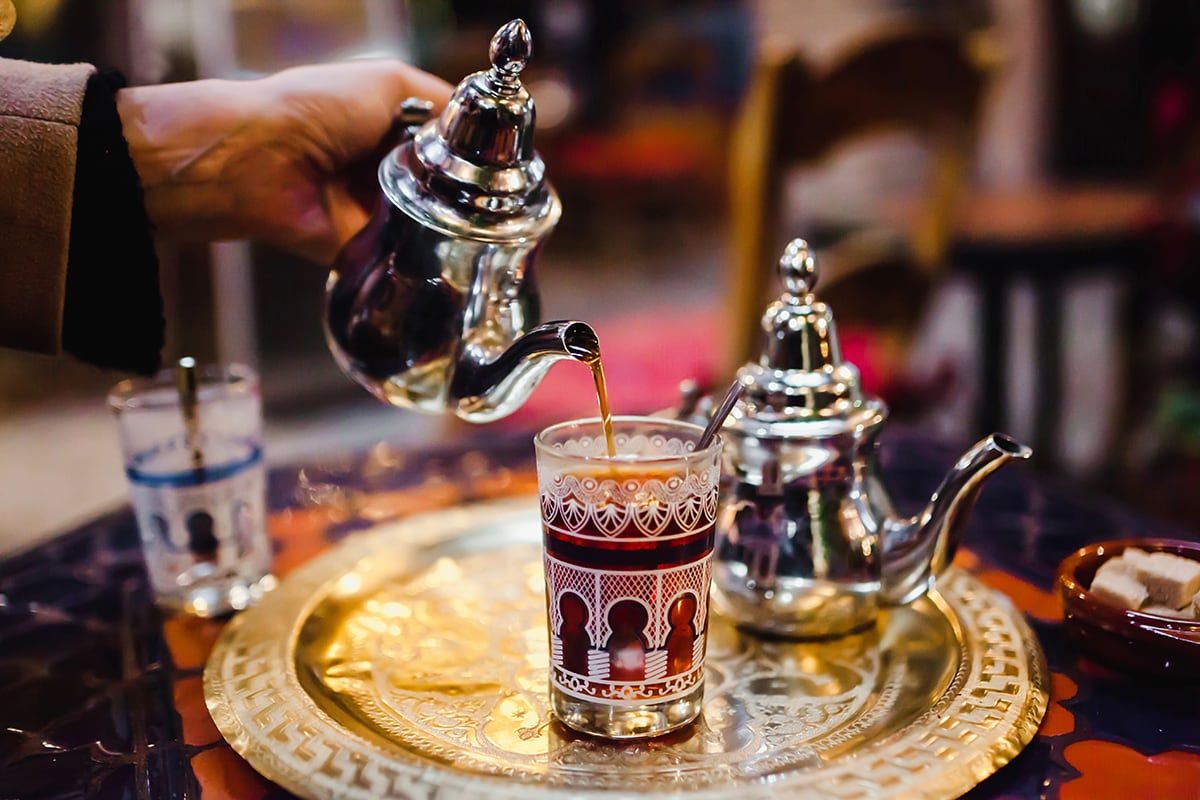
Moroccan cuisine is as much an art form as what you’ll see hanging in the city’s museums. Warming spices, bold flavours, and time-honoured vessels make every dish uniquely delicious. From mouthwatering, slow-cooked tagines to syrup-soaked baklava, these are flavours to savour, served in the city’s most extraordinary restaurants.
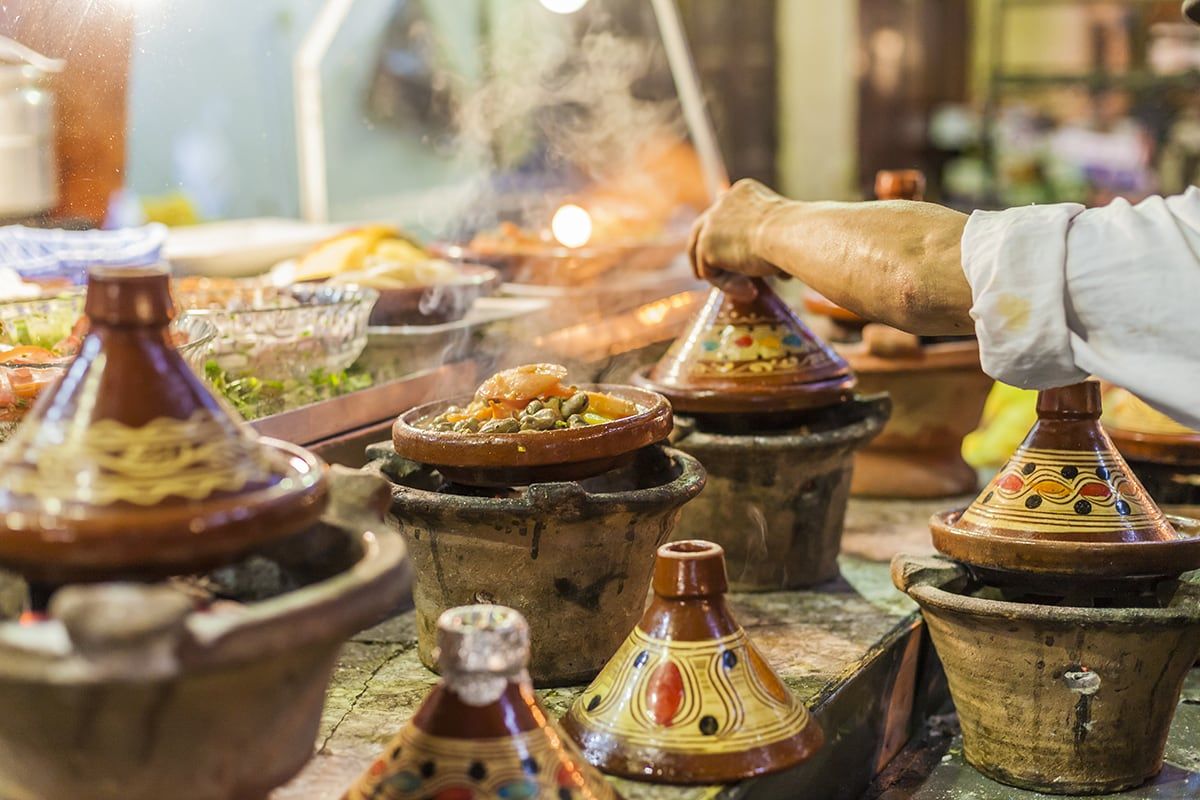
Book a rooftop restaurant around sunset and watch the city blush red, just like its walls.
Set at the foot of the Atlas Mountains, Marrakech is Morocco’s most evocative gateway – a city where centuries-old culture meets modern convenience. Whether you arrive by air, rail, or road, it’s easy to reach and explore.
Marrakech Menara Airport (RAK) is just 6 km from the medina, with direct flights across Europe and the Middle East. The terminal is modern and efficient, with car hire, taxis, and shuttles readily available. For longer itineraries, domestic flights connect Marrakech with cities like Casablanca, Fes, and Agadir.
ONCF trains link Marrakech with Casablanca, Rabat, and Tangier. The journey from Casablanca takes around 2.5 hours, and the station is clean, modern, and well-located with taxis waiting outside. There’s no rail line into the medina itself, but most riads can arrange transfers.
Highways between Marrakech and Casablanca or Agadir are well maintained, and driving offers flexibility for exploring the Atlas Mountains or desert routes. Inside the city, however, driving is best avoided: the medina’s narrow streets are largely pedestrian-only, and parking is limited near the centre.
Comfortable, long-distance buses (CTM and Supratours) connect Marrakech to almost every major Moroccan city. The main terminal sits beside the train station, while CTM buses depart from a separate depot nearby.
Small beige “petit taxis” operate within the city limits; fares are metered, though negotiating a price before departure is common. For day trips, larger “grand taxis” run to nearby destinations like the Ourika Valley or Essaouira.
Marrakech is best experienced on foot, especially within the medina. Outside the old city, newer districts like Gueliz are more spread out but pleasant to stroll. Cycling is growing in popularity, and several hire shops now offer guided bike tours