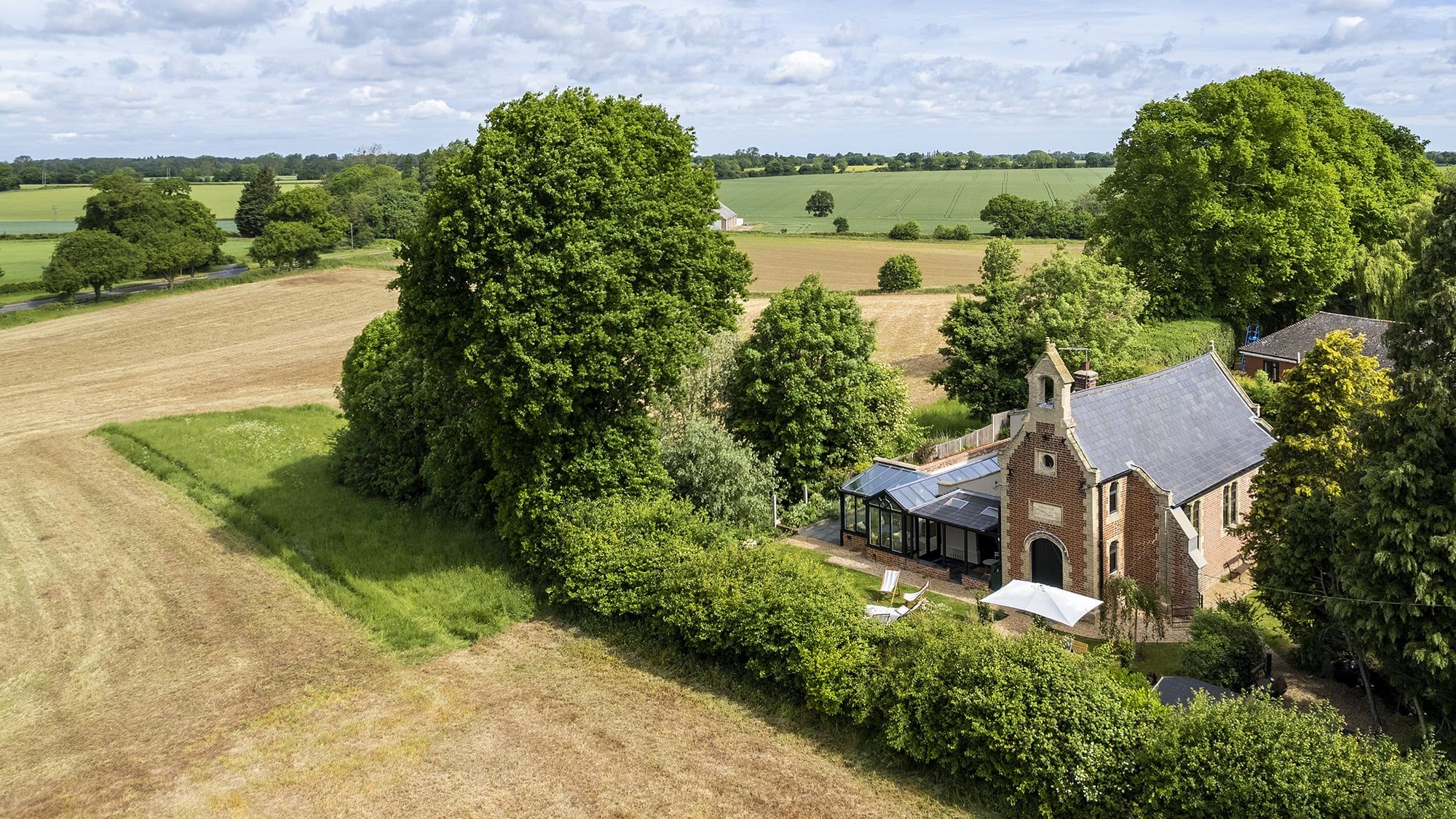
Norfolk combines long stretches of coastline, big skies and quieter countryside with seaside towns and villages. Along the coast, places like Cromer, Wells-next-the-Sea and Blakeney are known for beaches, seafood and salt marshes, while inland the Norfolk Broads open out into waterways, windmills and small market towns. Norwich brings another side of the county into view too, with its medieval streets, independent shops and cathedral.
Our collection of homes in Norfolk includes coastal stays, countryside cottages and larger houses suited to family holidays and time away with friends, including stays on the Sandringham Estate itself. You can also explore more across Suffolk, the East of England or browse our collection of Britain and Ireland holiday homes for further inspiration.
Why stay with us?
Style and character define every Oliver’s Travels home. Our destination experts know England well, handpicking homes in Norfolk for their setting, privacy and proximity to the coastline, countryside and surrounding towns and villages.
Once you book a holiday, our Concierge Service is here to help with all things planning and recommendations, from local experiences to in-house chefs, to make your stay truly extraordinary.
Why visit Norfolk?
As soon as you reach Norfolk, you know it. The roads feels quieter, the landscape flattens out into marshes, waterways and open farmland, and the coastline stretches for miles without changing too dramatically.
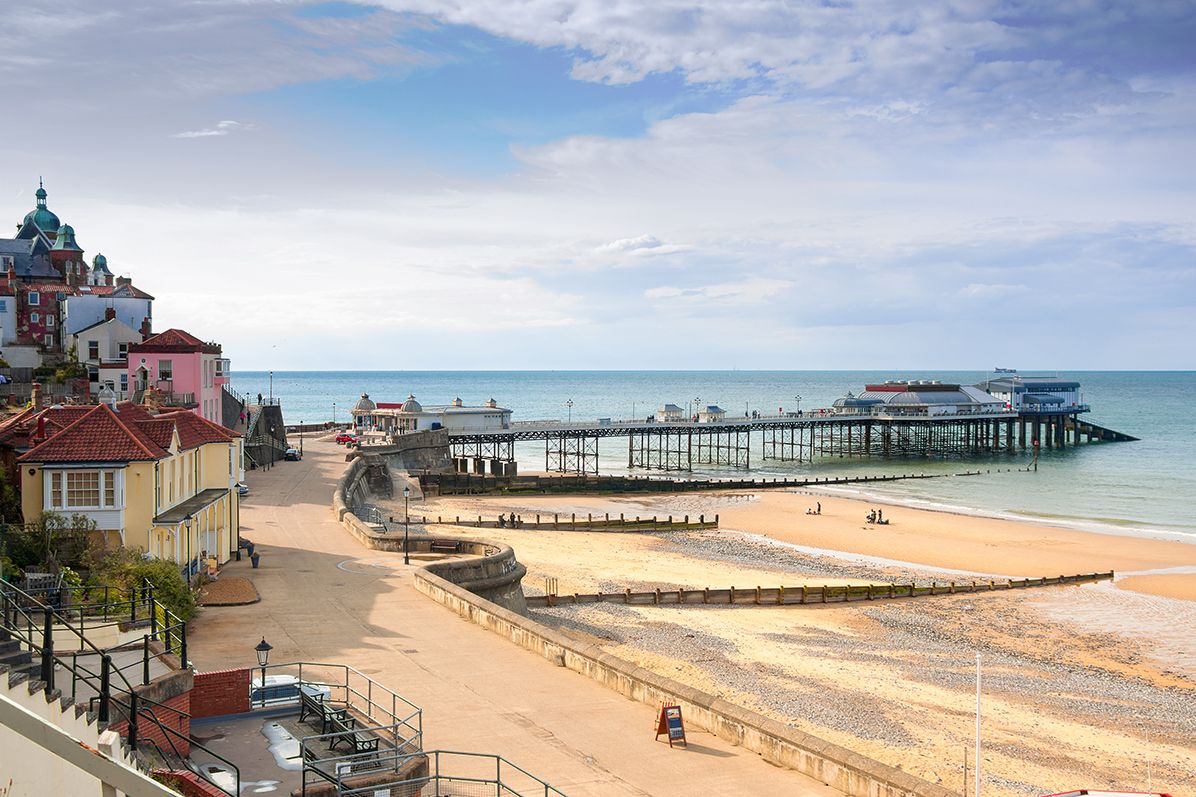
The coast is part of the appeal. Cromer remains one of the best-known seaside towns, with its pier, namesake crab and traditional fish and chip shops, while Wells-next-the-Sea and Holkham are known for wide beaches backed by dunes and pine forest. Further along the coast, Blakeney and Morston are some of the best places to spot seals, particularly during the winter months when large colonies gather along the shoreline.
The Norfolk Broads bring a completely different landscape into view. The waterways wind through reedbeds, windmills and small villages, with boats moving slowly between pubs and waterside towns. Norwich adds another layer with its medieval lanes, market and cathedral making it one of England’s most interesting smaller cities.
Food is closely tied to the region. Cromer crab is a local staple, seafood appears on menus all along the coast, and there’s a strong culture of bakeries, pubs and farm shops. Norfolk also has a growing number of breweries and vineyards, particularly in the countryside further inland. A lot of Norfolk’s appeal comes from how open it feels. Big skies, long beaches and wide landscapes make even short drives feel part of the experience.
Cromer, Norfolk
Norfolk: At a Glance
Coastline – Cromer, Wells-next-the-Sea, Blakeney and Holkham
The Norfolk Broads – Waterways, windmills and waterside villages
Towns and villages – Norwich, Holt and smaller coastal communities
Food and drink – Cromer crab, seafood, pubs and local breweries
Outdoor time – Coastal walks, boating and nature reserves across the county
Top Tip
Visit the beaches later in the day – places like Holkham and Wells-next-the-Sea become noticeably quieter once the afternoon crowds leave.
What Oliver Loves
The stretch of coast between Wells and Holkham, where the dunes open out into huge beaches and the sky seems to take up half the view.
Norfolk: Getting there and around
By train
Norwich and King’s Lynn connect Norfolk to London and other major cities, with local rail services onwards to coastal towns.
By car
A car gives you the most flexibility, especially for exploring the coastline, Broads and smaller villages.
By bus
Local buses connect many towns and villages, including routes along the coast during busier seasons.
By boat
The Norfolk Broads are best explored by boat, with day hire available across the region.