Why Visit?
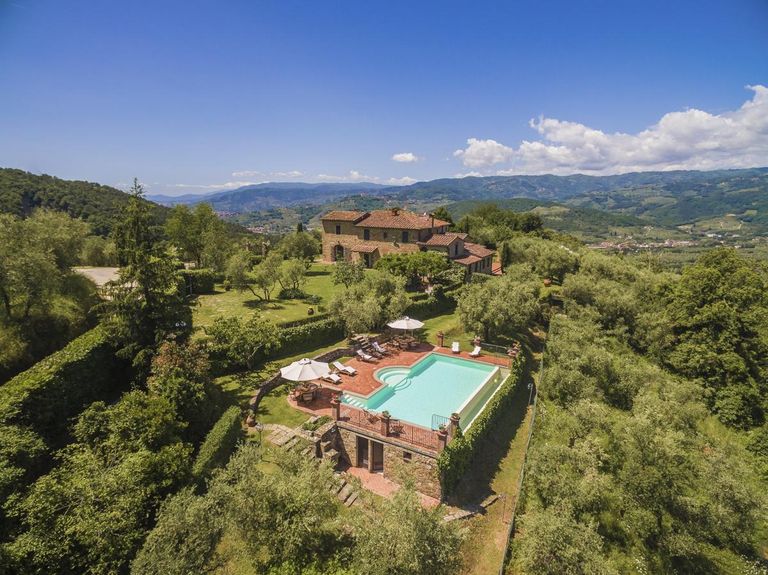
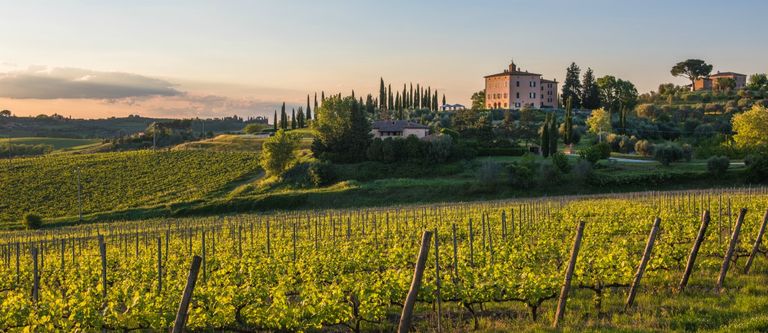
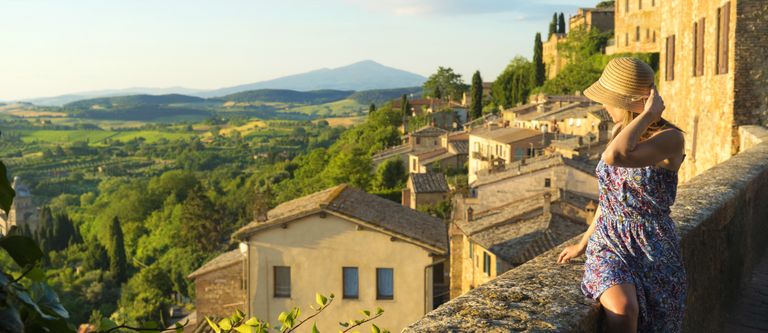
Almost all who step foot in this Italian province are hell-bent on returning. Hardly surprising, when there is so much to love, from the glorious Renaissance art in Florence to the obsession with local food. The landscapes of Tuscany are all vine-carpeted hills, lush forests and medieval hamlets, while the pace of life is unhurried. Whether you want to get out and explore with family, indulge in a wine-soaked week away with friends or discover the roots of the Renaissance, Tuscany is the place to do it.
Don’t miss
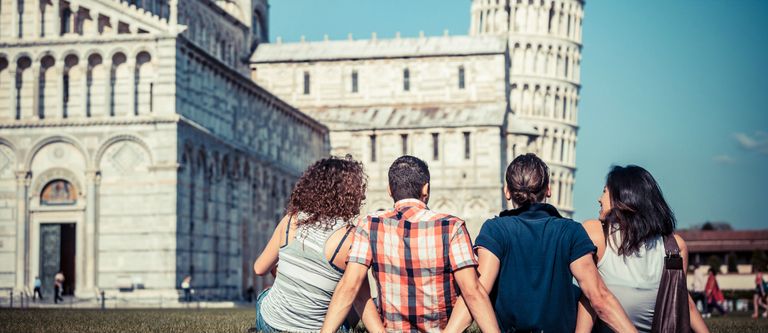
- The Leaning Tower of Pisa – Take photos of this iconic structure.
- The Uffizi Gallery – See works by Da Vinci, Botticelli, Michelangelo and Raphael.
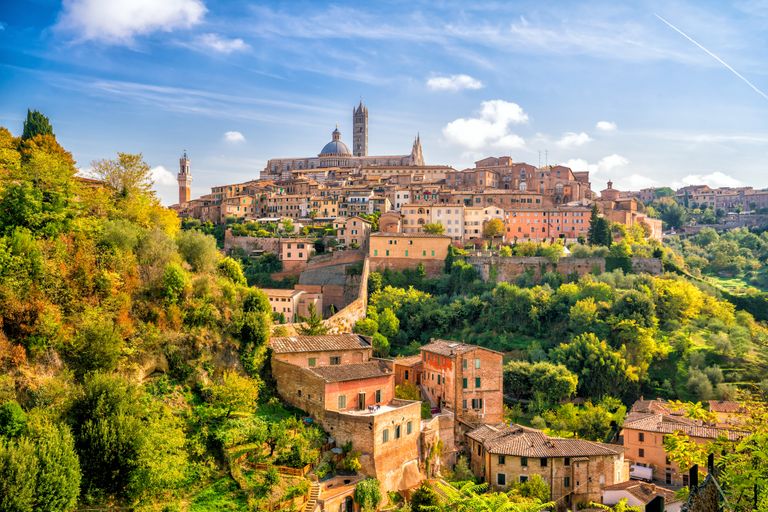
- Siena – Watch horse racing during the Palio at Piazza del Campo.
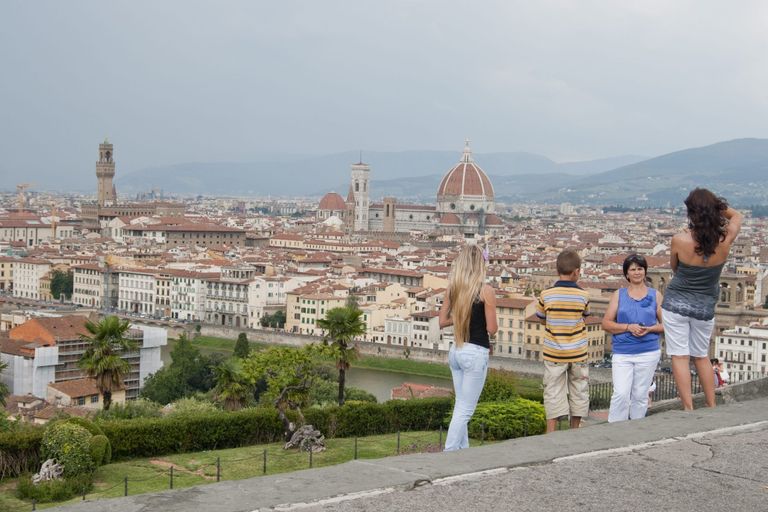
- Florence Duomo – Climb to the top for phenomenal views over the city.
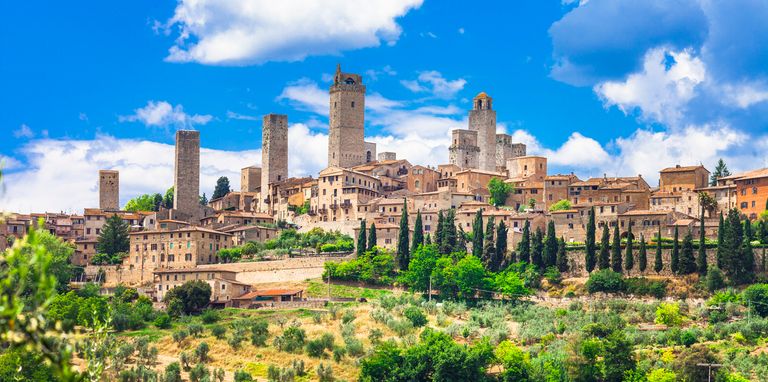
- San Gimignano – See the stone skyscrapers of this so-called ‘medieval Manhattan’.
- Accademia Gallery – Visit the home of Michelangelo’s David.
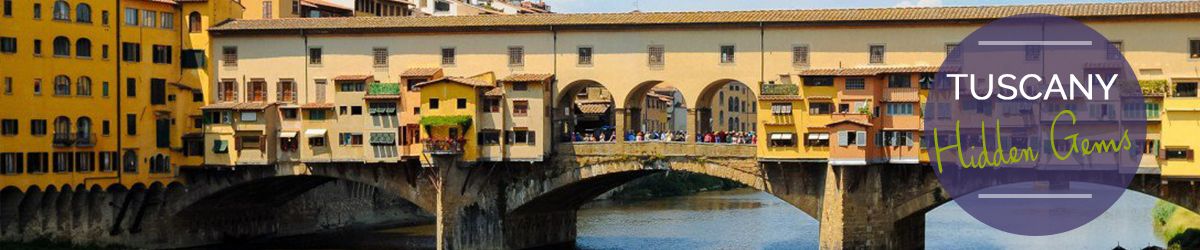
- Ponte Vecchio – Browse the jewellery shops on Florence’s oldest bridge.
When to Visit?
Peak tourist season in Tuscany lasts from July through to mid-September. This is when crowds and temperatures are at their height, but that definitely doesn’t make it a no-go zone. While valley-based locales such as Florence may be muggy, the cooler hilltop towns provide relief from the heat.
One thing to remember when planning your holiday here is that in August, the larger Tuscan cities such as Florence and Pisa experience a mass exodus as the locals head off on holiday. During this month, you’ll find many small restaurants and shops deserted while their owners are off sunning themselves on the coast. Having said that, even if you do choose to visit in August, the main attractions will still be open and you won’t find yourself stuck for somewhere to eat as long as you stay central.
April and May, as well as October and November, are great times to visit: the weather is welcomingly temperate and tourist numbers are greatly reduced. Winter, though usually mild, can be plagued with drizzle and an occasional sprinkle of snow. If you don’t mind wearing a coat, you’ll have Tuscany almost all to yourself.
Hidden Gems
- Airports: Travel from UK to Pisa and Florence, both airports serving international flights.
- Public transport: If the thought of driving on the right – or should that be wrong? – side of the road has you breaking out in a cold sweat, don’t despair. Tuscany is one of those rare, rural regions that is extremely well-served by public transportation. Trenitalia national trains run to and from the major towns such as Florence, Siena and Pisa, while several bus operators, the most useful of them being Busitalia, connect smaller villages and settlements to the larger cities.
- By Bike: Biking is, without a doubt, one of the best ways to navigate this province. You can travel at your own pace and see all the incredible landscapes that characterise this region as you do so. Strade bianche (unpaved back roads) criss-cross the province, and run among the olive groves and vineyards. The region’s hills can be hard on the legs, but rest assured, for every uphill, there is also a downhill.
- Hiring a car: Renting a car is one of the best ways to explore Tuscany. Driving is extremely handy, particularly if you want to strike out from the crowd and discover hidden Tuscany and some of the less well-known parts of the province. Forget those rumours you’ve heard about ‘crazy Italian drivers’; while driving etiquette in large cities like Rome, Naples and Milan may be a little questionable, Tuscany’s roads are less manic. Avoid driving into the historical centre of the major Tuscan cities; most of these are designated ZTLs (limited traffic zones), and non-residents who enter will face a fine. A GPS will aid with navigation.