Dordogne Travel Guide

Dordogne Travel Guide

The Dordogne is a quintessential French getaway, beloved among tourists and locals alike for its picturesque countryside, fortified towns and rich historic significance. From the busy riverside villages of the south to the quieter, greener landscapes of North Dordogne and Périgord Vert, the region offers far more than one classic holiday route. Our destination experts have combed the various towns and villages to find the best chateaux and villas in Dordogne located in the most idyllic locations. To help you make the most of your trip, we’ve put together a handy Dordogne travel guide with everything to see and do.

Why Visit?

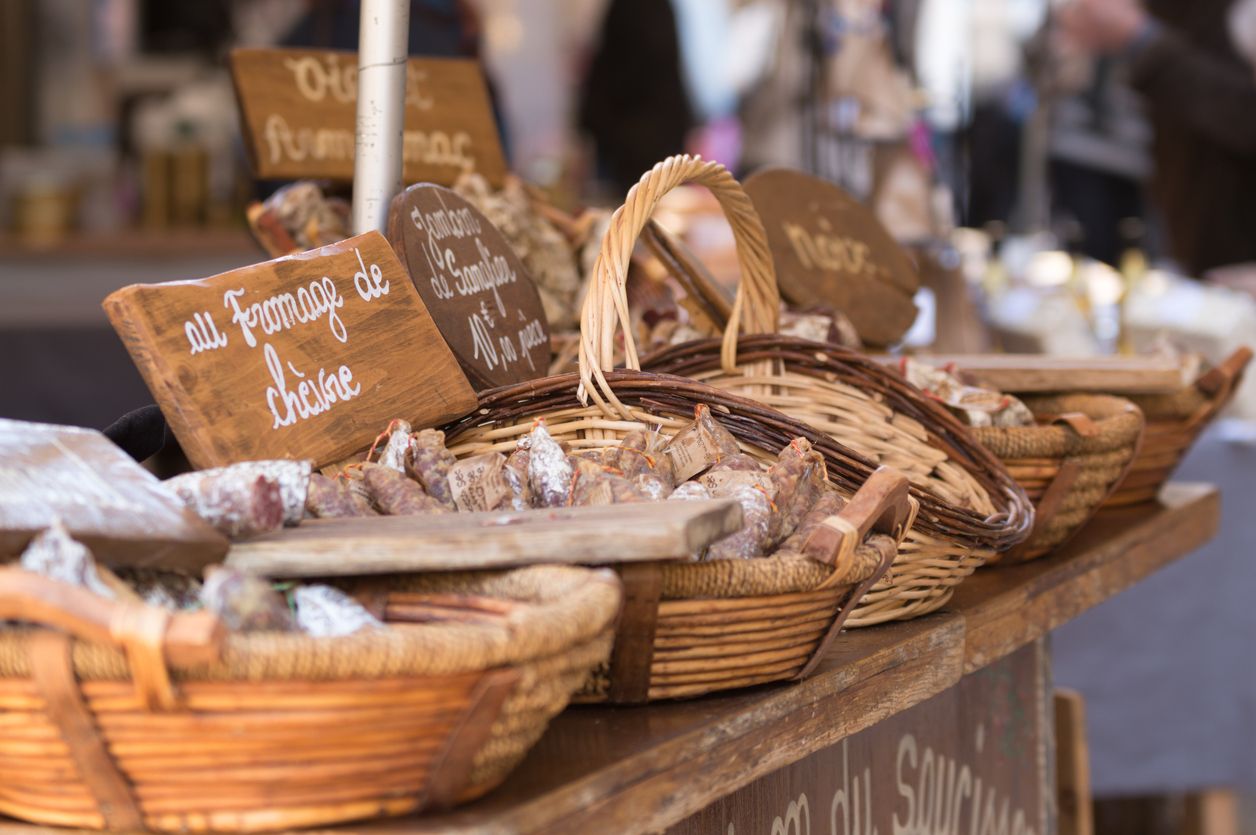
Marché de Sarlat - Dordogne travel guide

For harried city dwellers, Dordogne’s natural beauty is sure to revive your body and mind. A sunny, serene and welcomingly lazy corner of the country, it’s dotted with chateaux and picturesque bastides. While the south is known for Sarlat, Bergerac and the Dordogne River, the north offers a more peaceful side of the region, with chestnut woods, quiet lanes, historic villages and riverside towns such as Brantôme. Enriching the Dordogne experience, you’ll get to sample drool-worthy dinners where duck, black truffles and goat’s cheese take pride of place on the table alongside excellent local wines, while North Dordogne brings its own foodie traditions, from chestnuts and foie gras to black truffles around Sorges.

Typical Sights

  • Lascaux IV – Examine replicas of the famous Paleolithic paintings.
  • Chateau de Hautefort – Wander the grounds of this elegant fortified château.
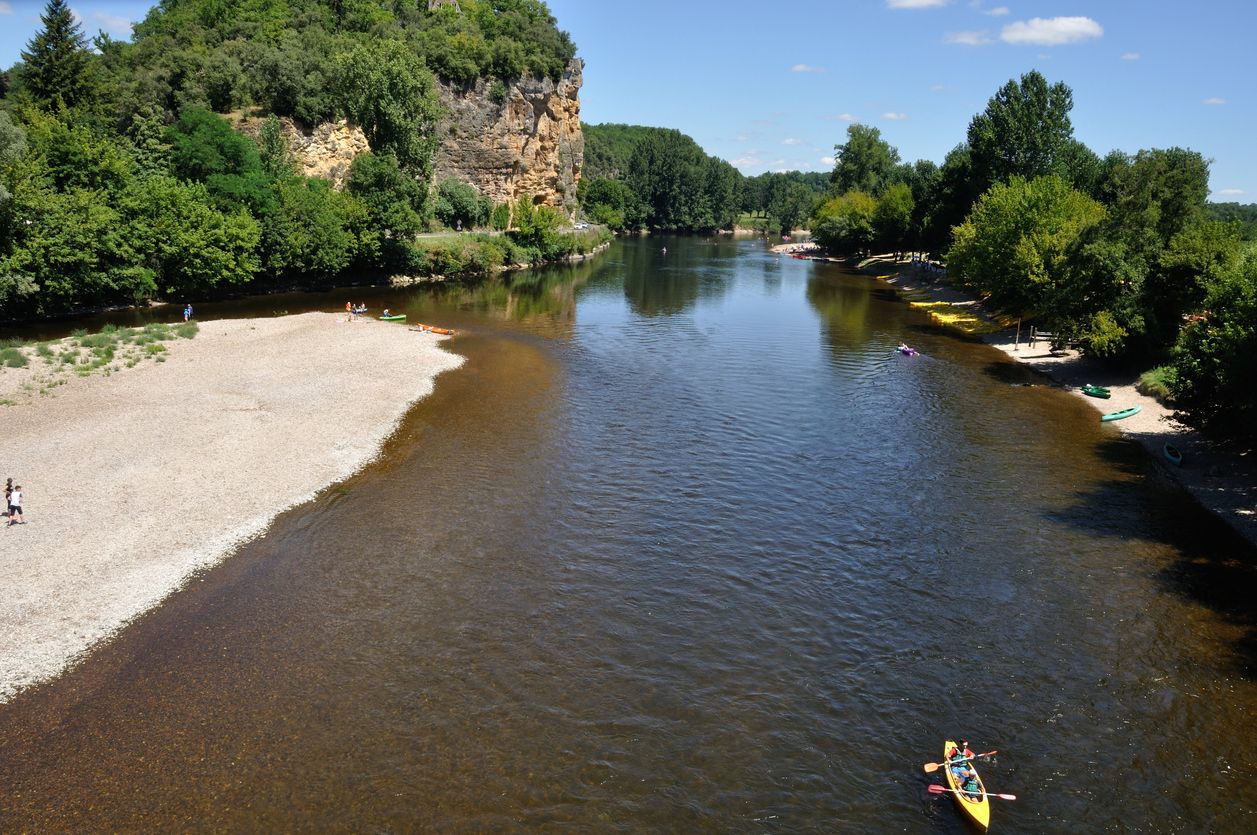
  • Dordogne River – Hike on the banks, kayak or drive along this tranquil waterway.
  • Gardens of Marqueyssac – Play hide and seek in the maze of impeccably sculpted hedges.
  • Saint Front Cathedral – Admire this multi-domed Byzantine church, the largest building of its kind in Aquitaine.
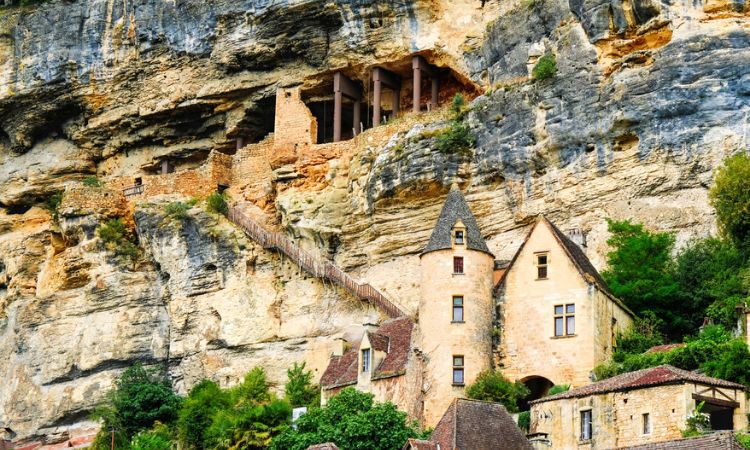
  • La Roque-Gagnac – Visit this stunning village, ranked among the ‘most beautiful villages in France’.
  • Grotte de Rouffignac – View prehistoric graffiti at this colossal tri-level cavern.
  • Brantôme-en-Périgord – Often called the Venice of North Périgord, this riverside town is one of the prettiest gateways to North Dordogne.
  • Saint-Jean-de-Côle – Explore one of France’s most beautiful villages, with honey-stone houses, a château, an old bridge and flower-filled streets.
  • Château de Jumilhac – Visit this fairytale château in North Dordogne, said to have inspired Walt Disney with its storybook turrets and romantic silhouette.Châlus – Just over the border, this historic town is known as the place where Richard the Lionheart was fatally wounded.
  • Oradour-sur-Glane – A moving memorial village just beyond the Dordogne border, preserved as a powerful reminder of the Second World War.

When to Visit?

River canoeing - Dordogne travel guide

The Dordogne can be visited year-round. The majority of holidaymakers come in July and August when the weather is at its best, sitting sunny around 35 degrees Celsius. This is also the liveliest time to visit, with a high chance that you’ll stumble across a fete, fair, celebration, or even one of the seasonal evening markets, allowing you to enjoy cheerful al fresco meals with locals.

You will, of course, be joining the crowds, which means roads, restaurants and popular attractions will be busier. Late spring and early autumn are quieter alternatives, offering warm days, quieter roads and a more relaxed pace, though it’s worth packing a light layer for cooler evenings.

If swimming and sunbathing aren’t a must for you, consider coming between October and April. During the colder months, the summer crowds will have truly dissipated, revealing a side of Dordogne rarely seen by most travellers. There is often mist, frost and even an occasional dusting of snow in the valleys.

For ardent gourmands, there is yet another reason to forgo the warmth of summer: black truffle season runs from December to March. Food lovers should also look out for seasonal chestnut festivals in the north, where chestnuts appear in local dishes, bakes and traditional recipes. Bear in mind that many of the top attractions and restaurants will close for the cold season, though some chateaux do remain open.

Getting Around

  • By plane: Fly from the UK to Bergerac or Bordeaux. From there you can rent a car and continue your journey. Bergerac is particularly useful for the south and west of the Dordogne, while Bordeaux is a good all-round option. For North Dordogne, Limoges is often one of the most practical airports, depending on where you’re staying. Brive Vallée de la Dordogne may also work for eastern parts of the region.
  • By ferry: The best ferry ports for reaching the Dordogne region are in the north-east of France, at St Malo or Cherbourg. Brittany Ferries sails from Portsmouth to St Malo and also offers services from Portsmouth to Cherbourg alongside Condor Ferries. Other options include Caen, where Brittany Ferries sails from Portsmouth, and Le Havre, which is served by LD Lines.
  • Public transport: Getting around the Dordogne without a car can prove restricting. Sarlat is the main public transport hub, with trains connecting it to other regional destinations including Bergerac and Le Buisson-de-Cadouin. Train services in the region are slow, irregular and infrequent. Buses, alas, are even worse.
  • By bike: The Dordogne has lots of scenic bike routes, though the region is hilly in parts, so cyclists should be prepared for taxing uphill slogs. On the flip side, there is an almost limitless selection of gorgeous villages in which to stop for rest and refreshments.
  • Hiring a car: The Dordogne’s exquisite rural landscapes and generally quiet roads make driving enjoyable. Car rental companies offer pick-ups direct from the region’s major airports.
  • By taxi: If you don’t hire a car, then there are plenty of taxi companies operating in the Dordogne area, such as Taxi Faugére and Taxi Cy.

Hidden Gems

Periguous

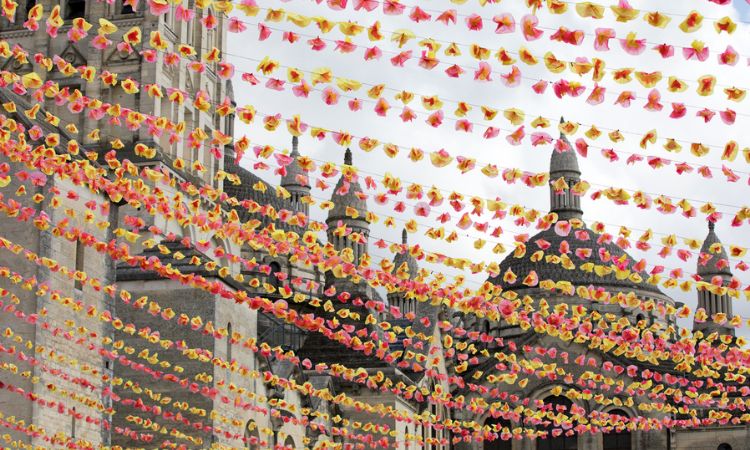
  • Rise early for the Périgueux Market and marvel at the sheer variety of foie gras, meat, cheese, fresh bread, fruits and vegetables for sale. The market’s setting, under the shadow of the city’s magnificent many-domed cathedral, is stunning.
  • The fantastically laid out Vesunna Gallo-Roman Museum allows its visitors to play archaeologists for the day as they gaze directly down through a glass panel into the excavated remains of a first-century residence below ground.
  • The Chateau des Milandes manor house functions as a monument to vaudeville superstar Josephine Baker who once lived here. A museum inside pays homage to the singer’s colourful and intriguing life.
  • Night markets, or marchés nocturnes, are an integral part of life here in the Dordogne, and a great excuse for the villagers to eat, drink and be merry.
  • Join in on the fun at Loubejac’s evening fete, which takes place on Thursday evenings throughout July and August. Don’t give away your neophyte status by arriving empty-handed; seasoned night-market visitors bring their own knife and fork.
  • A sleepy, one-church hamlet surrounded by forest, Urval goes without mention in most guidebooks, but we think it’s worth a gander if only to experience its authentic yesteryear charm. Its Périgourdine-style architecture and 14th-century communal bread oven hark back to days gone by.

Best Family Activities

You might think Dordogne, with its slow-paced rural ways and stuck-in-time ambience won’t be your kid’s cup of tea, but the various caves, rivers and walled medieval citadels are perfect for younger travellers. In addition to nature’s charms, there are adventure parks, aquariums and child-friendly museums. Best of all is the laid-back attitude locals have to children. Many of the restaurants, farms and wineries are family-run, so the owners go out their way to make sure you and your little ones really feel welcome.

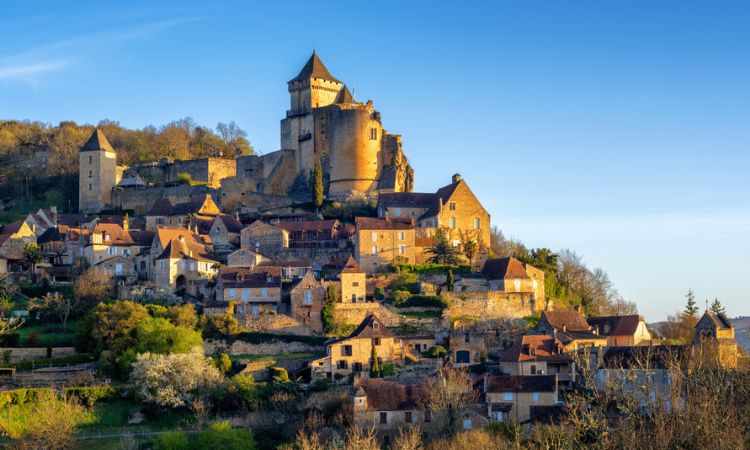
Chateau de Castelnaud

There are countless beautiful castles and chateaux throughout the Dordogne and kids will have a blast wandering through them and using their imaginations.

    • Chateau de Castelnaud has battle recreations, armour workshops and live demonstrations of trebuchets – fiercely impressive medieval catapults!
    • In North Dordogne, Château de Jumilhac offers a more fairytale-style château experience, while the castles around Brantôme and Bourdeilles are great for families looking to explore away from the busiest southern sights.
    • The landscape is great to explore you could go on nature hikes, cycle around or even grab some paints and try recreating one of the spectacular views.
    • Descend below the views and visit some of the region’s impressive caves and grottos with the kids. Lascaux is by far the most famous, but a guided tour around the Cave of Font-de-Gaume will show you genuine cave paintings, unlike Lascaux’s reproductions.
    • One of the most popular things to do is canoeing or kayaking along the river – and it’s pretty gentle, so kids of all ages can enjoy it.
    • Though it has less than other areas of France, the Dordogne has its fair share of amusement parks
    • Aux Etangs du Bos is a great water park that’s perfect for a summer day trip, while Les Villages Bournat takes the whole family back in time.

If you’re looking for more family-friendly ideas, be sure to check out the best activities for kids in Dordogne.

Best Family Cycling Routes

Known as the “Voie Vert” (the “Green Routes”), several routes through the Dordogne countryside completely ban all motorised vehicles, making them perfect for families on foot, bikes or horseback! Some of them might be a bit lengthy for younger kids, but a shorter trip will be a great way to introduce them to the fantastic views and brand new landscapes.

  • The route from Trelissac to Marsac sur l’Isle follows the river. It has plenty of rest stops too, making it a nice, gentle activity.
  • The Vialard to Grolejac route also takes in the river but goes a little inland too for a change of scenery.
  • The green route through Saint-Pardoux-la-Rivière in Thiviers takes you into the heart of the country – it’s totally unspoilt and makes the most of the beautiful countryside.
  • For a family cycling experience with a difference, try the Vélorail at Thiviers, where you can pedal along disused railway lines through peaceful North Dordogne scenery.
  • North Dordogne is also well suited to gentle cycling days, with quieter roads than the south, pretty villages to stop in and plenty of countryside views along the way.

Things to Do

Gathering your nearest and dearest for a summer get-together in a Dordogne villa may be the best decision you’ve made all year. Good wine, good food, good weather and good company? Sounds like a no-brainer. But the secret to ensuring your Dordogne getaway goes swimmingly is to plan ahead and arrange some unforgettable activities for the group. Here are some of the best group outing ideas for grown-ups in the Dordogne.

Village La Roque Gageac

  • Get spelunking! There are loads of caves in and around the Dordogne, and while we don’t recommend striking off on your own, there are a great many that offer guided tours, whether you’re looking for palaeolithic treasures or just some impressive underground landscapes.
  • Gouffre de Padirac is our top pick, with a truly impressive descent before enjoying a boat ride while you’re down there.
  • Dordogne is the ideal place to explore by bike, whether you just fancy a little ramble to the nearest boulangerie or a route that’ll challenge both your fitness and your thighs!
  • And on a similar note, a time-honoured way of enjoying the best of the Dordogne is on the river. Canoe Roquegeoffre Port D’Enveaux hire out boats, and can even help you out with what routes to take.
  • Revel in the splendour of bygone eras by exploring mansion houses and country estates.
  • Jardin Eyrignac opens its beautiful gardens to visitors and hosts a number of workshops that adults are bound to enjoy.

Want more to explore with friends? Visit our blog on the best group activities in the Dordogne!

Dishes to Try in Dordogne

Dordogne’s gastronomic scene tends to be dominated by one little creature: duck. You’ll find one or several duck dishes on almost every menu in the region. From slow-cooked duck confit, sautéed breast and smooth foie gras all feature heavily in the region’s cuisine.

Walnuts also flourish in the Dordogne and are used not just in their raw form, but to make oil, wine (vin de noix), cheese and bread. Truffles and cèpes, so prized by gourmands, are also mainstays on Dordogne’s culinary scene. North Dordogne is especially rewarding for food lovers, with foie gras around Thiviers, black truffles around Sorges and chestnuts appearing in local recipes, cakes and seasonal festivals. Every budget is catered to, with inexpensive truck-stop restaurants and farmers’ markets offering bargain dining deals, while fine-dining establishments plate up extravagant, once-in-a-lifetime Michelin-star meals.

Wine-wise, you’ll be spoilt for choice. The Bergerac area is the Dordogne’s main wine-producing region and includes everything from dry whites (Bergerac and Montravel) and full-bodied reds (Pécharment) to dessert wines (Saussignac and Monbazillac). The north of the Dordogne is not wine country in the same way; here, the emphasis shifts towards chestnuts, duck, foie gras, truffles and rustic country cooking.
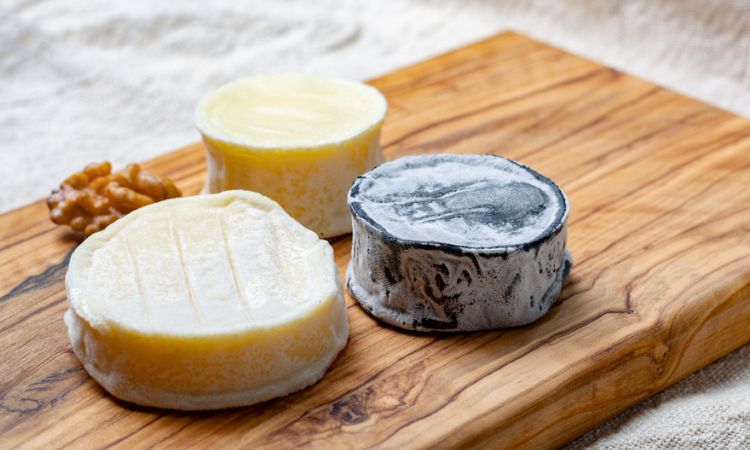
Cabécou

  • The local goat’s cheese known as cabécou is well worth sniffing out, though you’ll often find it in salads served at bars and restaurants.
  • The Dordogne is also famous for its walnuts, which you’ll find in cakes, pastries, oils and flours – as well as being a tasty snack on their own, of course.
  • Dine out on magret de canard (pan-fried duck breast from the Moulard breed) or a duck gizzard salad.

Best Foodie Experiences

Ideal for those who like to plan their holidays around their food, these experiences makes sure you get a taste for the Dordogne’s delicious cuisine.

  • Chateau Feely in Saussignac takes pride in organic terroir wines that are a little out of the ordinary. They can arrange lunch to accompany your tasting while providing a fascinating introduction to winemaking as well as their own particular ethos.
  • Want to take a little of that unbeatable South of France cuisine back with you? Le Chèvrefeuille Cookery School, found in Saint-Cyprien, will take you on a market tour to grab some ingredients before teaching you the secrets of whipping up a delicious, authentic meal.
  • Bergerac Wine Tours are also great if you want to learn more about the region’s winemaking heritage – they’ll pick you up from your villa or chateau and take you around select vineyards and wineries, so by the end you’ll be fully clued up on France’s most celebrated export.
  • Got a sweet tooth? It’s well worth indulging in the Dordogne’s mouth-watering cakes and pastries, but make sure you check out the Bovetti Chocolat Museum in Terrasson-Lavilledieu. There are hands-on activities and a shop to pick up some treats to take home!
  • For a northern foodie stop, visit the foie gras museum in Thiviers, which celebrates one of the region’s best-known delicacies.
  • In Sorges, Ecomusée de la Truffe – or the black truffle museum – is a must for anyone curious about the Dordogne’s famous “black diamond”.
  • Look out for chestnut festivals in and around North Dordogne, where this humble local ingredient appears in everything from cakes and breads to savoury seasonal dishes.


Now that you know all about this region with our Dordogne travel guide, why not check out our luxury villas in Dordogne? Whether you’re holidaying with your family, large group or significant other, there’s sure to be something to suit your needs. And, if you need a little help deciding, our concierge team are happy to help.
Food to try in Venice header
Previous
Best Food in to Try in Venice
Eco-warrior hacks
Next
5 Sustainability Tips for Eco-Friendly Living

Popular Articles

Konnos Beach Cyprus
10 Best Beaches in Cyprus

Often topping the ranking for the ratio of Blue Flag-awarded beaches, Cyprus has no fewer than 65 stretches adorned with the prestigious accolade. The island is perfect for combining a slice of history with beach life – you can be ruin-spotting first thing; swimming and sunbathing a few hours later. The quality meets up to […]

Best beaches in Mykonos
10 Best Beaches in Mykonos

From tiny, remote coves to yawning sandy stretches, beaches of all shapes and sizes make up Mykonos’ coastline. The southern strips are the most popular – and often more crowded – while the northern gems are more remote and quiet. Many unfurl from the foot of villas on Mykonos, and hotels, while others feature beach […]

Villa Yoga
10 Best Villas in Ibiza

The fabled ‘White Island’ is a place of many faces. On the one hand, Ibiza is renowned as a prime clubbing destination with a vibrant nightlife that’s a magnet for partygoers. But there’s more to the island than exclusive clubs and dancing ’til dawn! Further inland, you’ll find there’s a much more laid-back atmosphere among […]

You May Also Like...

Stay in the Know

Sign up to our newsletter for beautiful villas, destinations and things to do.